Ten major trade unions have called the rollout of four new labour codes a “deceptive fraud” and are demanding their withdrawal ahead of nationwide protests. The reforms, approved five years ago, aim to modernise century-old rules and introduce social security and minimum-wage measures. Critics say the codes make hiring and firing easier, raise layoff thresholds, and could increase costs for small and midsize firms. The government maintains the changes will streamline rules and boost investment while states prepare implementing regulations.
Indian Trade Unions Denounce New Labour Codes as a 'Deceptive Fraud' — Nationwide Protests Planned
Ten major Indian trade unions on Friday condemned the government’s rollout of four new labour codes, calling the move the most sweeping overhaul in decades and labeling it a “deceptive fraud” against workers. The unions — many aligned with parties that oppose Prime Minister Narendra Modi — demanded the laws be withdrawn before nationwide protests scheduled for Wednesday.
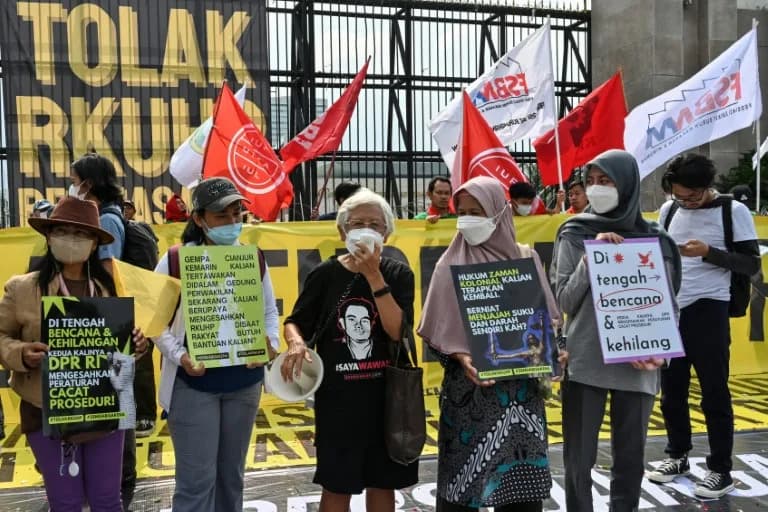
The Centre of Indian Trade Unions organised marches on Saturday in Bhubaneswar, where hundreds of workers gathered and publicly burned copies of the new codes. Other unions announced coordinated demonstrations across multiple states.
What the new codes change
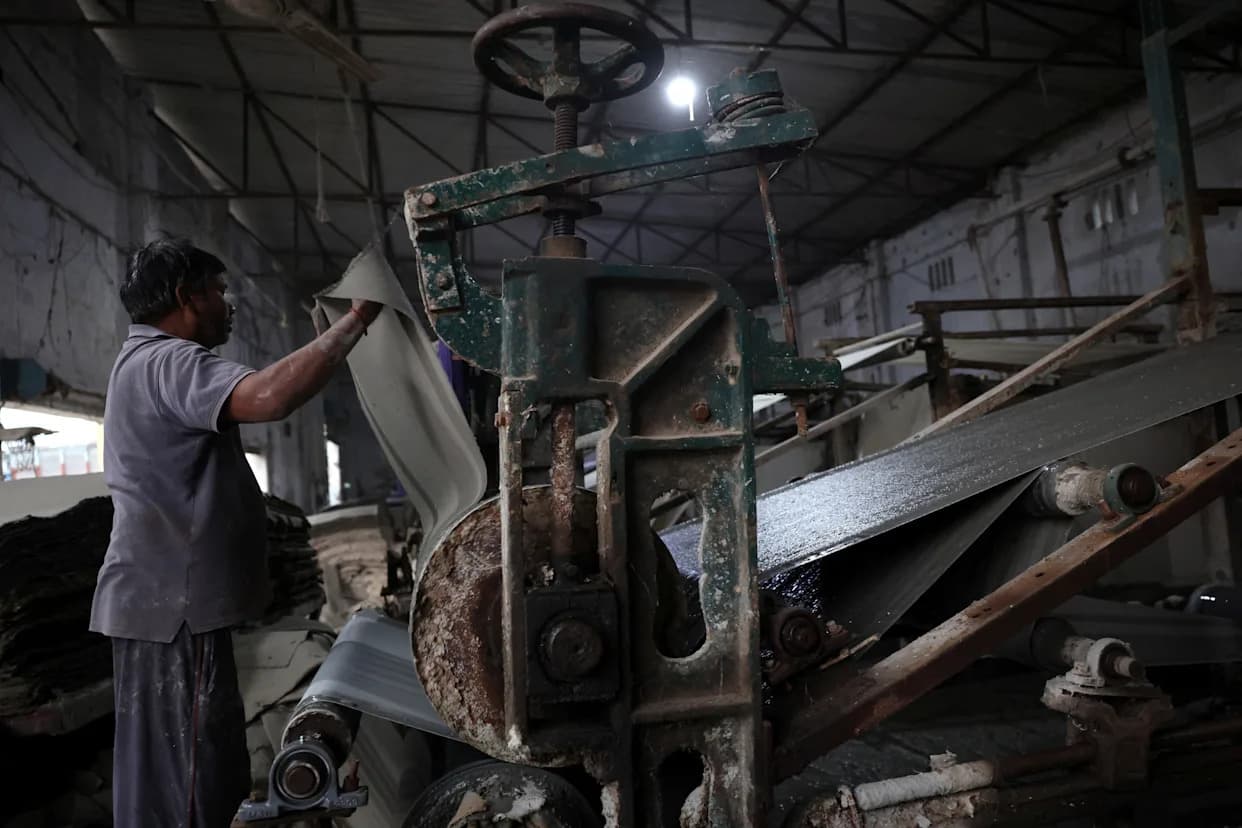
The government implemented four labour codes, which were approved by parliament five years ago, to modernise work rules that in some cases date to the colonial era and to liberalise conditions for investment. Officials say the reforms introduce important protections such as social security coverage and minimum-wage provisions.
At the same time, critics argue the same rules make it easier for companies to hire and dismiss staff and grant employers greater flexibility in workforce management. Key changes include:
- Raising the threshold for firms requiring prior government approval for layoffs from 100 to 300 workers;
- Allowing longer factory shifts and permitting night work for women under revised conditions;
- Streamlining and consolidating multiple labour laws into four federal codes covering wages, industrial relations, social security and occupational safety.
Reactions and concerns
Unions say the measures will erode long-term job security and mobilise workers nationwide. Businesses and industry groups have been divided: some welcome the simplification of rules as a boost for manufacturing and investment, while others — notably small and midsize enterprises — warn the changes could raise operating costs and disrupt business continuity.
The Association of Indian Entrepreneurs has asked the government for transitional support and flexible implementation measures to soften the impact on smaller firms. Not all unions oppose the overhaul: the right-leaning Bharatiya Mazdoor Sangh, which is aligned with the ruling party, urged states to implement the codes after local consultations on certain provisions.
The Labour Ministry did not immediately respond to requests for comment. State governments are expected to draft implementing rules to align with the new federal codes.
Bottom line: The new labour codes aim to modernise outdated regulations and expand formal protections, but their implementation has triggered strong opposition from major unions and prompted urgent appeals from businesses for transitional support.
Help us improve.