Underwater archaeologists from Nicolaus Copernicus University (NCU) and the Museum of the First Piasts in Lednica recovered a carved wooden face more than 1,000 years old during a 2024 expedition in Lake Lednica. Preserved by low-oxygen, waterlogged conditions, the find offers an unusually clear glimpse into woodworking and spiritual life in early medieval Slavic settlements.
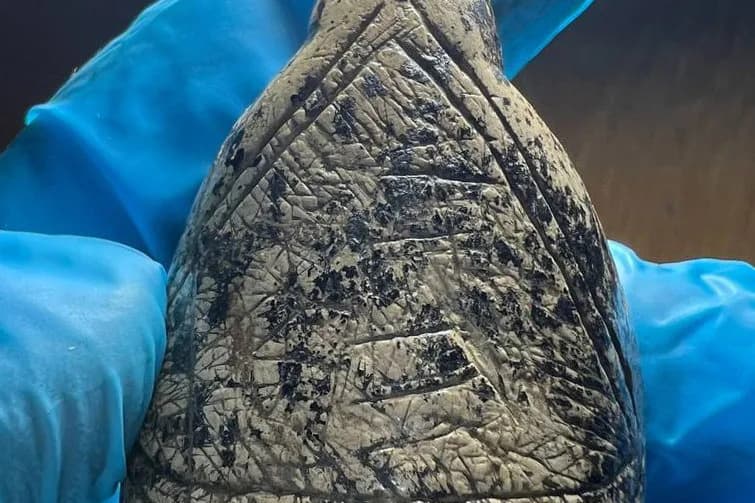
The carving is incised into a structural beam known as a "hook." According to NCU researchers, the face measures 12 cm by 9 cm (4.7 × 3.5 in) and bears the mark "353" on the wood. The carved features — realistic eyes, a nose, a mouth and an oval head shape — show careful workmanship for a utilitarian object.
Dating and historical context
Dendrochronological analysis indicates the tree used to make the beam fell in the year 967. That places the piece in the era surrounding the baptism of Mieszko I and Poland’s gradual Christianization, a period of major cultural change across the region.
Meaning and parallels
Archaeologists believe the beam was part of a settlement rampart. The combination of a practical construction element with a human face suggests the carving had both functional and symbolic roles — possibly representing a deity, protective spirit or heroic figure intended to watch over the community.
Similar carved faces have been found at other Slavic sites, including Wolin, Novgorod the Great and Staraya Ladoga. Specialists note stylistic parallels across these finds and argue they reflect a local Slavic artistic and spiritual tradition rather than direct Scandinavian or Rus influence.
“This discovery not only evokes admiration for the craftsmanship from over a thousand years ago but also opens a fascinating discussion about the spiritual life of early medieval Slavs,” said Andrzej Pydyn, director of the Center for Underwater Archaeology at NCU.
Supporting evidence for ritual practice
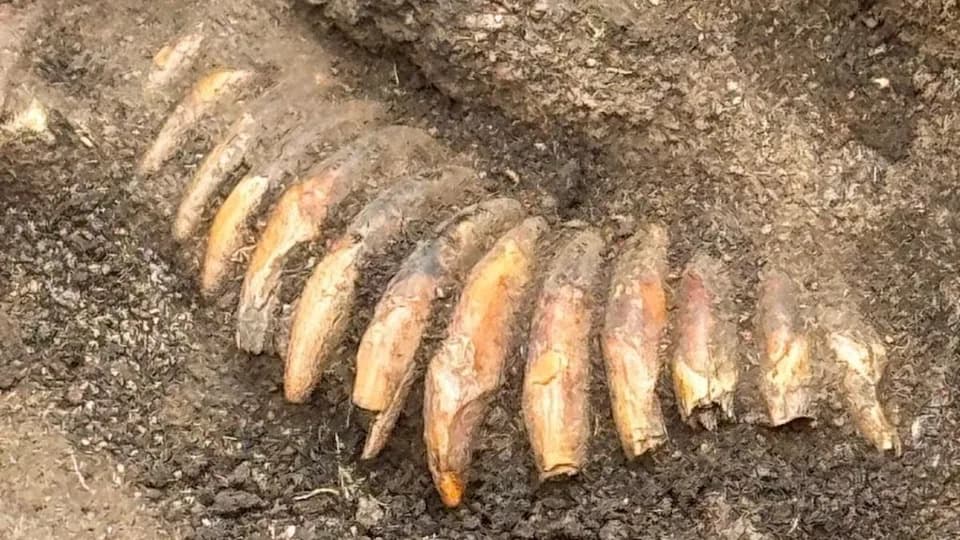
Additional finds at the site reinforce the interpretation of ritual or symbolic use: archaeologists recovered horse jaws and other animal bones near the ramparts and beneath house floors. Mateusz Popek of NCU suggested these remains may represent ritual offerings or protective sacrifices placed in connection with the settlement’s defensive structures.
Why the find matters
The wooden face is a rare, tangible example of how everyday building materials could carry symbolic meaning in early medieval Slavic communities. As the Museum of the First Piasts in Lednica noted, the object combines utility and symbolism and raises new questions about daily life, cultural expression and religious practice in the region more than a millennium ago.