Marco Rubio has tied a large part of his political prospects to the Trump administration’s pressure campaign against Venezuela, combining a major military presence with airstrikes presented as counter-narcotics operations. Success could bolster his standing with Cuban- and Venezuelan-American voters in Florida; failure or ensuing chaos could erode that support and alienate isolationist MAGA voters. The campaign’s risks extend to Rubio’s relationship with President Trump and his longer-term political options.
Rubio's Political Future Tied to High-Risk Venezuela Campaign
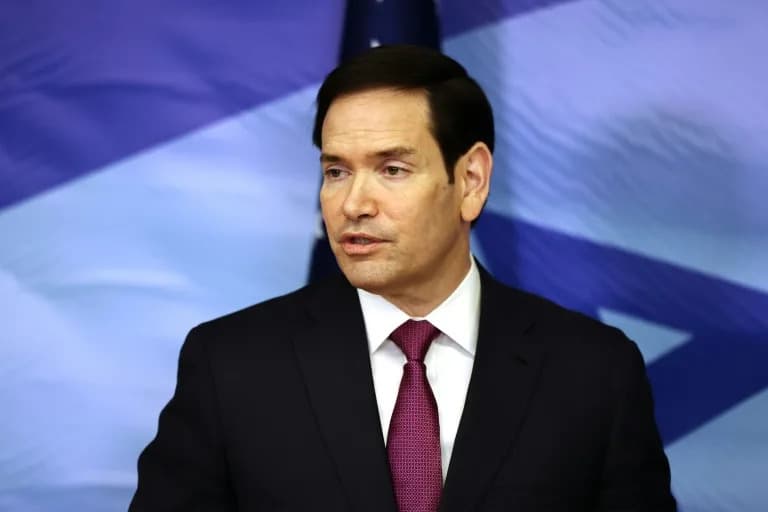
Secretary of State Marco Rubio has staked a significant portion of his political future on the Trump administration’s pressure campaign against Venezuela — a strategy that pairs an unprecedented U.S. military buildup in the Caribbean with targeted airstrikes framed as counter-narcotics operations. While the administration says the objective is to disrupt drug trafficking, senior officials and allies say Rubio and his team hope the pressure will ultimately dislodge Nicolás Maduro.
High stakes in Florida
Rubio, who also serves as acting national security adviser, faces a fraught political calculation. A successful exit by Maduro — whether negotiated or forced — could strengthen Rubio’s standing among Cuban- and Venezuelan-American voters in South Florida, a critical constituency in Republican primaries. But failure to remove Maduro, or a removal that leaves Venezuela mired in deeper instability, could severely erode that support.
Risks with the MAGA base
At the same time, Rubio risks alienating isolationist wings of the MAGA movement that are skeptical of open-ended foreign interventions after the wars in Iraq and Afghanistan. Those voters may back targeted actions with clear objectives but remain wary of broader, ill-defined campaigns that appear to seek regime change.
“There’s no political appetite or political will for a regime change in Venezuela,” said Matthew Bartlett, a Republican strategist who worked at the State Department during the first Trump administration. “People may accept targeted military action, but there’s hesitancy about wider engagement with unclear motives.”
Strategy, military posture and questions
The administration has positioned the effort as a fight against narco-trafficking, at times designating cartel groups as terrorist organizations. U.S. forces have mounted nearly two dozen strikes on vessels the government says were smuggling drugs; officials say those strikes have killed more than 80 people, while public evidence linking each target to trafficking remains limited.
The military buildup is among the largest U.S. deployments in the region in decades: roughly 15,000 troops, about a dozen F-35 fighters and AC-130J gunships positioned in Puerto Rico, and the USS Gerald R. Ford carrier strike group operating in the Caribbean. The force posture includes ships and assets capable of striking deep into Venezuelan territory.
Political implications and potential fallout
Rubio must weigh several possible outcomes. If Maduro is removed and a stable democratic transition takes hold, Rubio could see his standing enhanced with exile communities and conservative voters who favor a tough stance on Latin American autocrats. If Maduro remains in power or a chaotic transition follows — including the possibility of insurgency or another strongman seizing control — Rubio’s political capital could shrink substantially.
Rubio’s relationship with President Trump is another variable. Trump has backed the campaign publicly but has also signaled reluctance to become embroiled in ground conflicts and has said he would consider negotiations with Maduro if they produce results Trump favors, such as threats to drug operations or access to oil. Any political damage to the president from the Venezuela effort could, in turn, affect Rubio.
Longer-term calculations
At 54, Rubio has multiple political pathways. He has told allies he would not run for president if Vice President JD Vance pursues the 2028 GOP nomination, but he could still seek the Florida governorship, return to the Senate, or consider future presidential bids. Critics argue Rubio might avoid long-term consequences if the campaign falters, while the immediate political costs would fall on other figures in the administration.
Voices and perspectives
Supporters frame Rubio’s role as consistent with his long-standing opposition to leftist autocrats in the region. “People are appreciative that Marco's working hard to get freedom and liberty in Latin America,” said Sen. Rick Scott (R-Fla.).
But opponents and some analysts warn the effort could backfire politically and strategically. “Rubio and allied anti-communists have pushed a strategy that risks trapping the president between a narrow counter-narcotics rationale and a broad military posture that could look ineffectual or escalatory,” said John Feeley, a former U.S. ambassador to Panama.
The outcome in Caracas — and how the administration manages the campaign’s political and humanitarian consequences — will help determine whether Rubio’s gamble pays off or becomes a defining liability for his future ambitions.
Help us improve.