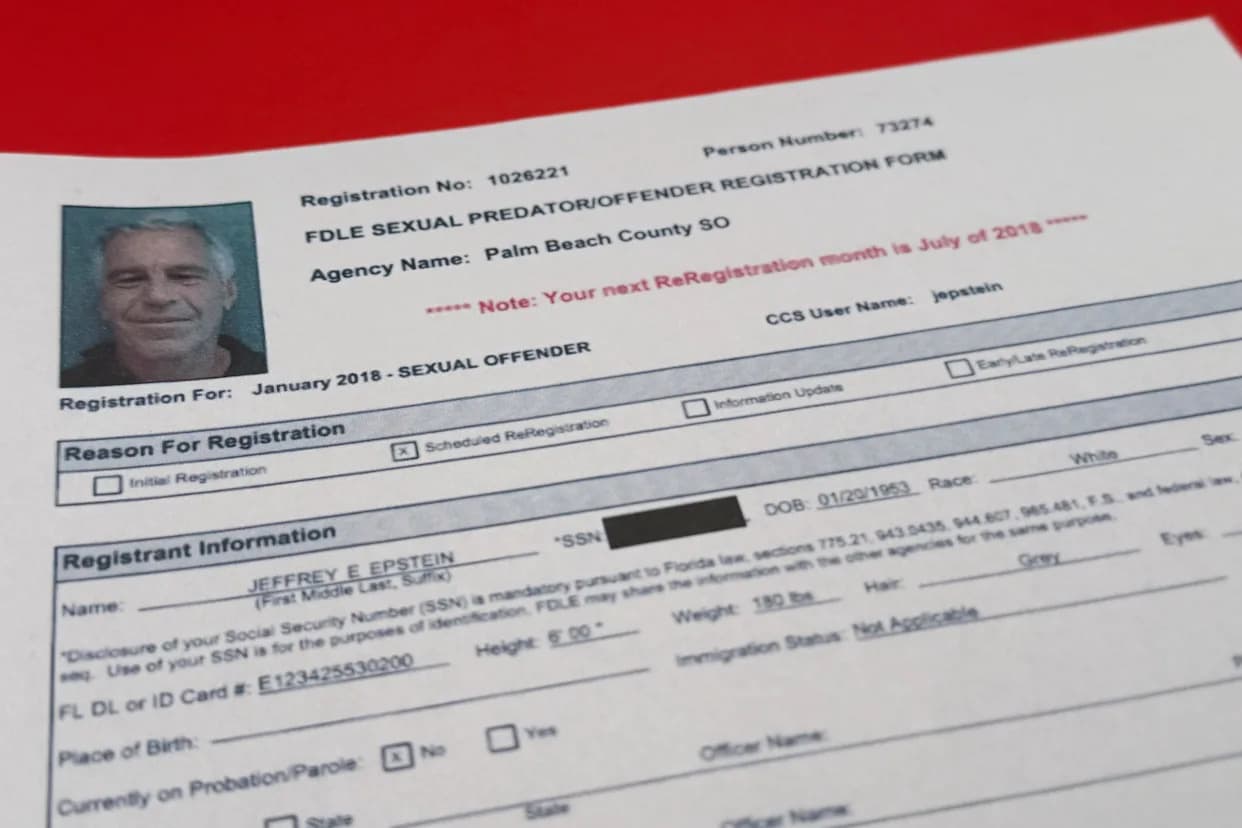
The Epstein Files Transparency Act requires the Justice Department to publish all unclassified records related to Jeffrey Epstein and Ghislaine Maxwell within 30 days, with a compliance deadline of Saturday, December 19. The DOJ’s holdings — largely seized during 2019 FBI raids and reported to total roughly 100,000 pages — may include emails, internal prosecutorial notes, flight logs, and records tied to Epstein’s 2008 plea deal and his death in custody. While redactions for victim privacy and active investigations are allowed, the law demands written justification to Congress and bars withholding solely for embarrassment or political sensitivity. Other agencies, such as Treasury and the FAA, are not covered by this statute.
Why the DOJ’s Newly Released Epstein Files Could Be a Breakthrough — and What They Might Reveal

President Donald Trump has signed the Epstein Files Transparency Act, compelling the Justice Department to publish its unclassified records related to Jeffrey Epstein and his close associate Ghislaine Maxwell. The law gives the department 30 days to comply, setting a public deadline of Saturday, December 19.
Although numerous Epstein-related documents have already entered the public domain — through congressional subpoenas, civil litigation, Freedom of Information Act requests and discovery in Maxwell’s criminal trial — advocates and officials say the Justice Department’s own holdings may be far more consequential.
What the law requires
The statute directs the Justice Department to release “all unclassified records, documents, communications, and investigative materials” concerning Epstein and Maxwell. That language is broad: it can include internal prosecutorial notes, emails and text messages, forensic evidence inventories, flight logs, and other investigative materials seized by the FBI in 2019.
What the DOJ’s files might contain
During the 2019 searches of Epstein’s Manhattan townhouse and his U.S. Virgin Islands property, agents seized more than 70 computers, tablets and hard drives, along with financial documents and binders of digital media. Those materials have been described as the core of the so-called “Epstein files.” News reports indicate the FBI had assembled roughly 100,000 pages for potential release before some materials were withheld earlier this year.
If fully disclosed, the files could include:
- Internal prosecutorial records related to the Florida 2008 plea deal and the later Manhattan investigation that led to Epstein’s 2019 arrest.
- Non-prosecution agreements, sealed settlements, and any deals involving Epstein associates.
- Flight logs from Epstein’s private aircraft and additional travel records.
- Interviews and records tied to Epstein’s death at the Metropolitan Correctional Center, including testimony from inmates in neighboring cells and related investigative notes.
- Communications and digital evidence (emails, texts, images) recovered from seized devices.
- Records of complaints or calls that alleged victims say they placed to law enforcement — including ones from the 1990s that apparently did not prompt immediate action.
Limits, redactions, and safeguards
The law allows the DOJ to redact or withhold information to protect victim privacy and to safeguard national-security material or ongoing investigations. However, it places significant constraints on those exceptions:
- All redactions must be accompanied by written explanations submitted to Congress.
- The statute explicitly prohibits withholding, delaying, or redacting documents solely for reasons of embarrassment, reputational harm, or political sensitivity — including to protect government officials, public figures, or foreign dignitaries.
- The DOJ must also produce records related to the destruction, deletion, alteration, misplacement, or concealment of Epstein-related materials, signaling a congressional intent to probe potential mishandling.
One permitted ground for withholding is if release would jeopardize an active federal investigation or an ongoing prosecution. Even when material is withheld from the public, the law requires that it be provided to the House Oversight Committee, which has issued subpoenas for the records.
What the law does not cover
The statute applies to Justice Department holdings only. Other federal agencies are not required by this law to disclose their records. For example:
- The Treasury Department reportedly holds detailed financial records and Suspicious Activity Reports filed by banks; separate legislation has been proposed to compel Treasury to release more information.
- The Federal Aviation Administration retains flight records that have not been publicly released.
- Intelligence agencies (CIA, NSA and others) are not explicitly covered by the new law, so any materials they possess may remain secret.
Context and reaction
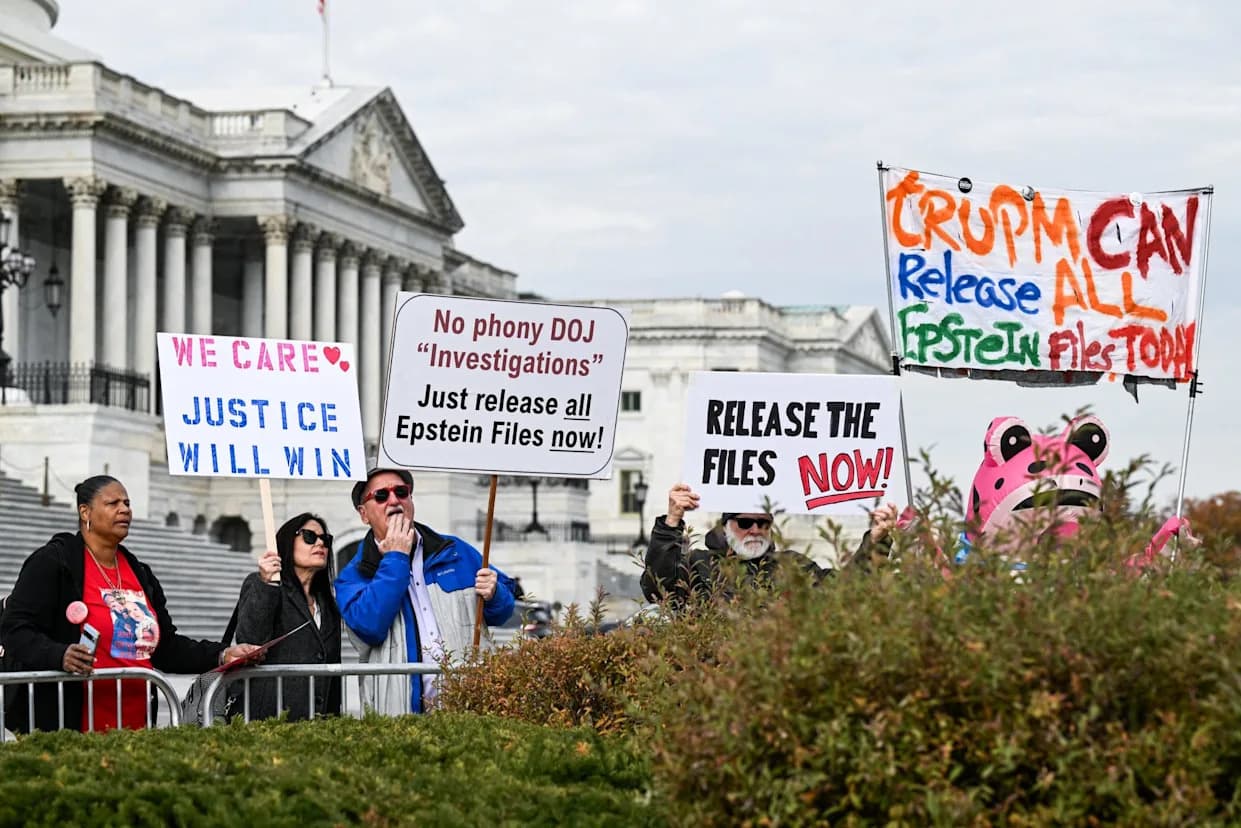
Victims and advocates have pushed for transparency for years, saying the files could answer long-standing questions about the scope of Epstein’s network, who knew what and when, and how prior investigations were handled. Some people familiar with discovery materials used in Maxwell’s trial have told reporters they found no clear indication that Epstein served as an intelligence asset; nonetheless, the new statute forces the Justice Department to justify any national-security redactions to Congress.
Separately, questions about potential financial ties and institutional relationships prompted inquiries that have been referred to the U.S. Attorney’s Office in the Southern District of New York. If the Justice Department appears to use active investigations as a pretext to withhold politically sensitive material, it could face sustained congressional scrutiny and public backlash.
How much of the seized material will become public remains to be seen. The release could bring new evidence into the light — or it could raise fresh questions about transparency and accountability in high-profile criminal investigations.
Help us improve.