Key points: Washington state confirmed the first human death linked to H5N5 avian influenza in an older person with underlying conditions who kept a backyard poultry flock. The virus was found in the flock’s environment, and health officials are monitoring contacts. H5N5 was first detected in 2023 and some animal infections have shown mutations that may ease mammal-to-mammal spread; however, there is currently no evidence of human-to-human transmission and public risk is assessed as low.
Washington Reports First Human Death from Novel H5N5 Bird Flu

Washington state health officials have confirmed the first known human fatality linked to the H5N5 avian influenza strain. The individual, described by local authorities as an older adult with preexisting health conditions, lived in Grays Harbor County and was hospitalized earlier this month in King County.
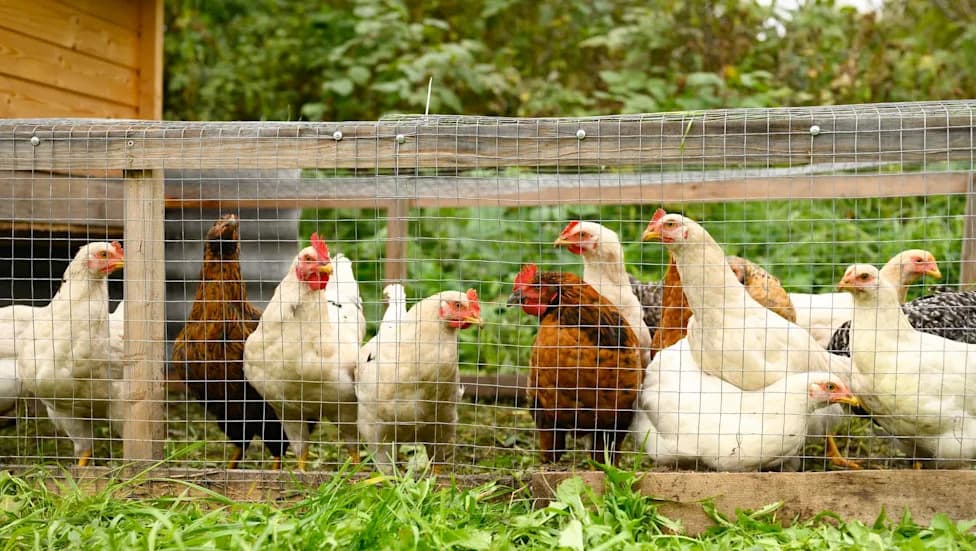
According to investigators, the person kept a backyard flock of mixed domestic poultry. Laboratory testing by the Washington State Department of Health detected H5N5 in samples taken from the flock’s environment, leading officials to conclude that exposure to the domestic birds, their surroundings or wild birds was the most likely source of infection.
Health officials say they are monitoring people who had contact with the flock or other exposures related to the contaminated environment. So far, no additional cases linked to this incident have tested positive for avian influenza and there is no evidence of sustained human-to-human transmission.
Why this matters
The H5N5 strain identified in this case has not previously been reported in people. First detected in 2023 in eastern Canada, it has infected birds and some mammals. Research has shown that certain infected animals carried mutations associated with easier mammal-to-mammal transmission, which has raised concern among virologists and epidemiologists.
Experts warn that each time an avian influenza virus infects a person there is an opportunity for the virus to adapt: co-infection with other flu viruses or repeated replication in humans can allow genetic changes that might increase transmissibility or severity. A separate H5N1 virus circulating in North American cattle has also drawn attention because it could require only a small number of changes to transmit more easily between people.
Public health assessment: State officials emphasize that the overall risk to the general public remains low. Contact tracing and monitoring are underway for those exposed, and authorities will update guidance if new information emerges.
Help us improve.