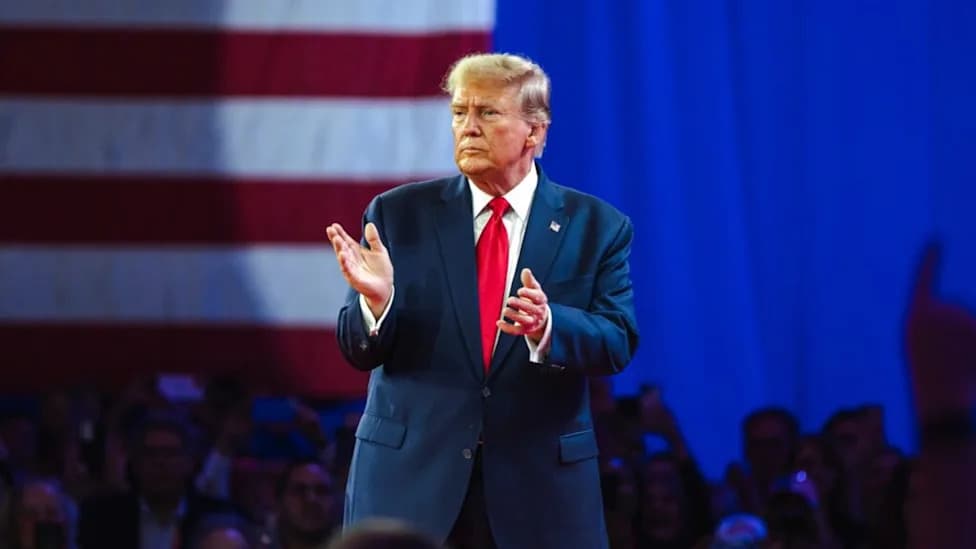
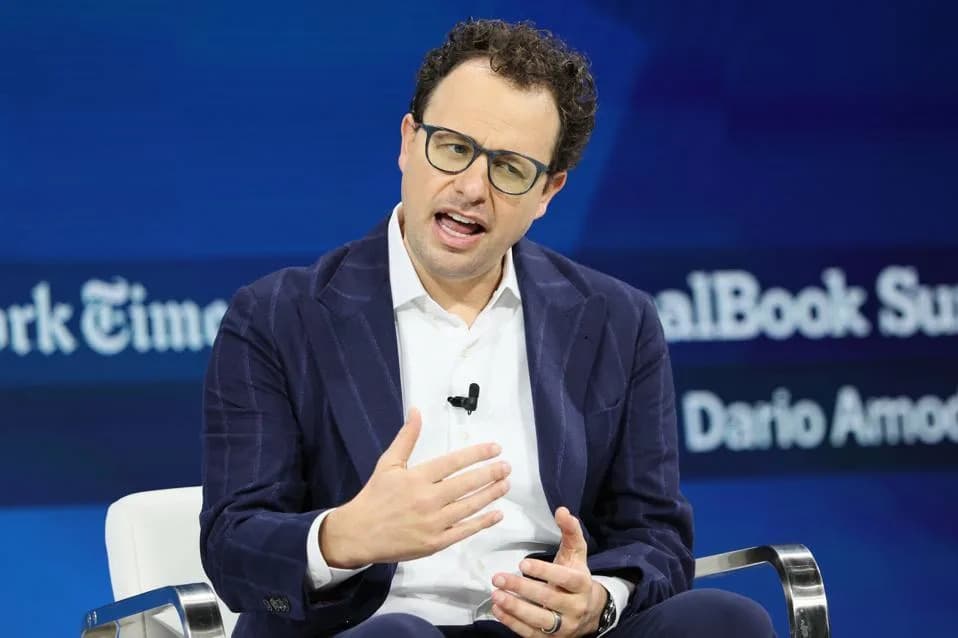
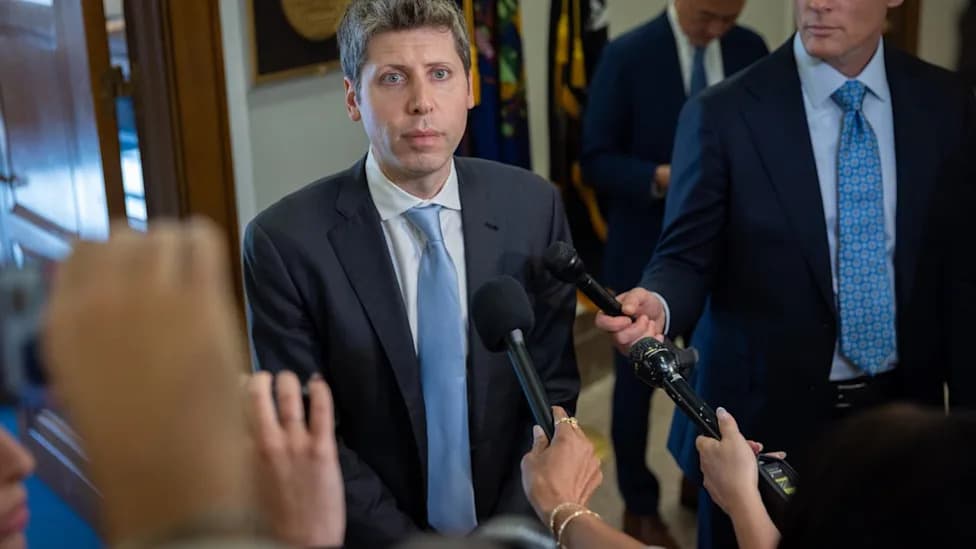
Sen. Mark Kelly urged leading AI companies to "pay their fair share" to help address workforce disruptions, promoting his Make AI Work for Americans Act to fund job training, apprenticeships and small-business support. Industry leaders offered mixed responses: OpenAI's Sam Altman warned of catastrophic risks and blind reliance on AI, Chamath Palihapitiya echoed concerns about closed models, and Kevin O'Leary said AI creates better jobs. Companies such as Hilton reported a surge in applications after candidates used AI tools, while Cisco's Jeetu Patel predicted AI will create more jobs but require new skills.
Sen. Mark Kelly Urges Tech Giants To 'Pay Their Fair Share' To Fund AI Workforce Support
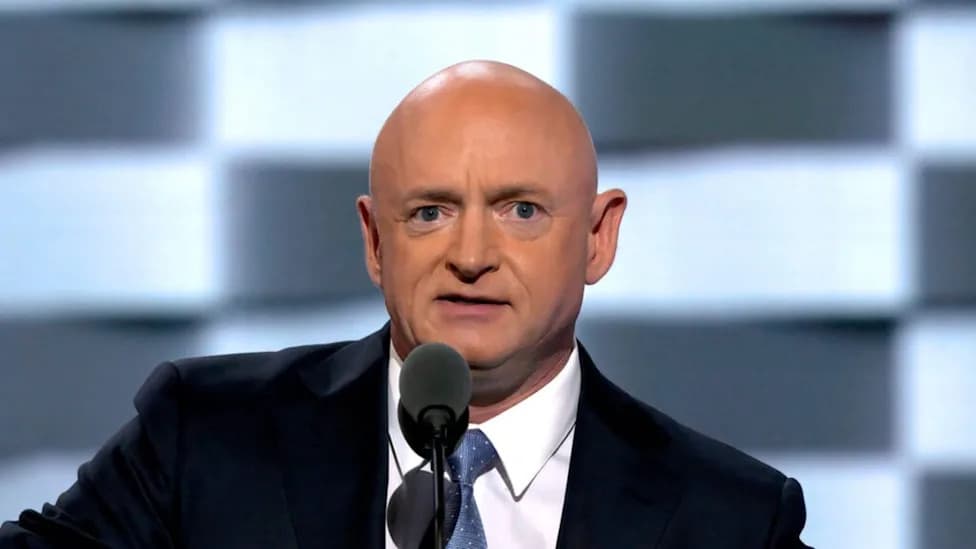
Senator Mark Kelly at a Democratic National Convention session in 2016 (Credit: Senator Mark Kelly at a Democratic National Convention session in 2016 | Photo courtesy: Shutterstock)
Senator Mark Kelly (D-Ariz.) on October 4, 2026 called on major artificial intelligence companies to contribute more toward addressing the economic and workforce disruptions produced by rapid AI adoption. Posting on X, Kelly argued that firms benefiting most from AI should help fund solutions that ease the transition for workers and small businesses.
"The companies benefiting the most from AI should pay their fair share to solve the challenges it's creating. My Make AI Work for Americans Act does exactly that, investing in job training, apprenticeships, and small businesses so Americans have real choices in a changing economy." — Senator Mark Kelly
Kelly said his Make AI Work for Americans Act would direct resources to job training programs, apprenticeships and support for small businesses so workers have realistic pathways into new roles as the economy adapts to AI-driven change.
Industry Reactions
Responses from technology and investment leaders reflect a range of perspectives about AI’s benefits and risks:
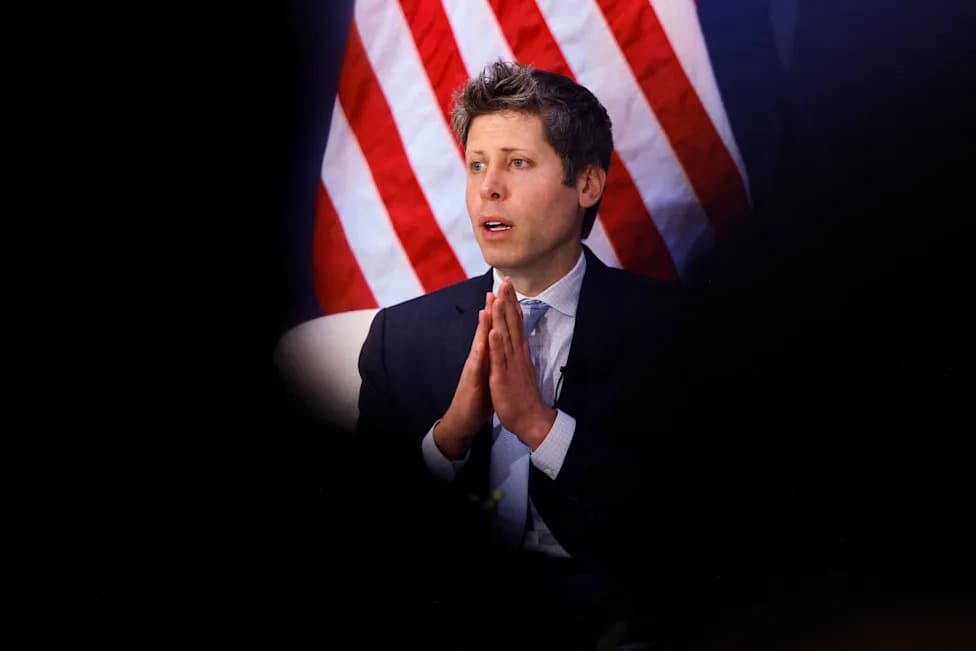
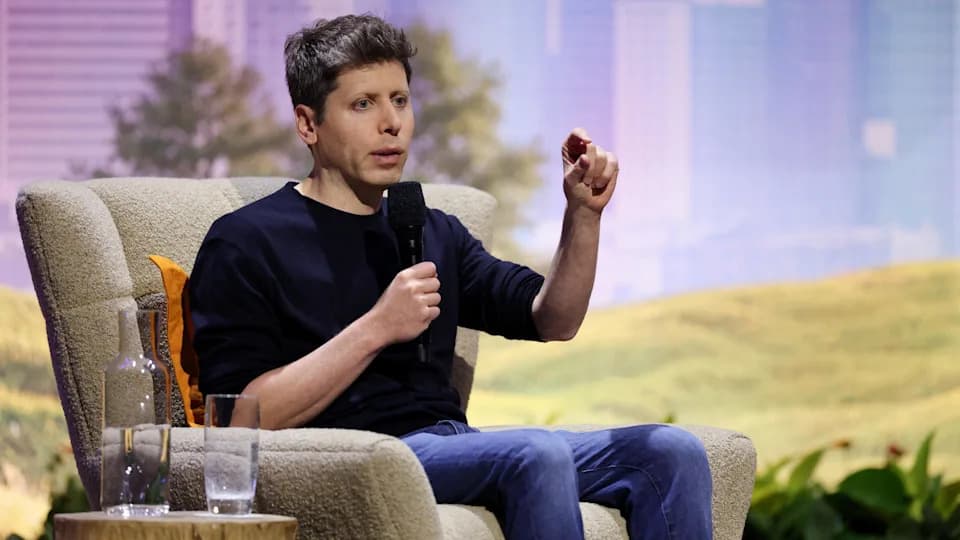
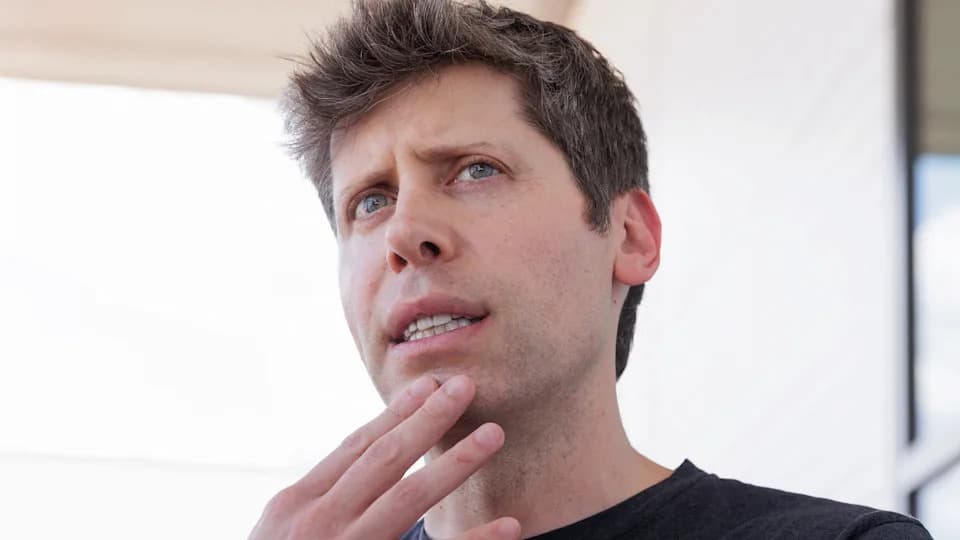
- Sam Altman, CEO of OpenAI: Argued society should accept some AI risk to realize its benefits, but warned against "really catastrophic risks" and cautioned about substituting human judgment with automated systems.
- Chamath Palihapitiya: Supported Microsoft CEO Satya Nadella’s remark that companies relying on closed AI models could effectively "pay for intelligence twice"—through fees and the exposure of proprietary knowledge—and noted that cheaper open-weight models are closing the performance gap with leading closed systems.
- Kevin O'Leary: Pushed back on broad fears that AI will eliminate jobs, calling it a productivity tool that has helped more than 50 of his companies reduce costs and create better-quality roles.
Real-World Effects
Businesses are already seeing mixed effects from AI adoption. Hilton Hotels reported nearly 15,000 applications for its 2027 early-career program after candidates used AI tools to tailor resumes and apply more widely; Hilton’s Laura Fuentes described the trend as a "double-edged sword" because higher application volume strained recruiters.
Jeetu Patel, president of Cisco Systems, predicted in July that AI would likely create more jobs than it eliminates over the next five years, while emphasizing that future roles will demand different skills. Patel also said that "AI-fluent people" could be dramatically more effective in certain tasks.
Why It Matters
Kelly’s proposal aims to balance rapid technological innovation with investments that help workers adapt. Requiring contributions from the most-successful AI firms would finance training, apprenticeships and small-business supports intended to preserve opportunity as the labor market evolves. The debate highlights broader policy tensions: how to encourage AI development while managing its economic and social consequences.
Note: This article was edited for clarity and to remove promotional material that accompanied the original publication.
Help us improve.