New York City will fast-track affordable housing rezonings in 12 community districts beginning Jan. 1, cutting review time to 90 days (60 days for community and borough review; 30 days for the City Planning Commission). The selected areas produced only 724 of the city’s 65,000+ affordable units over five years. Eligible projects must meet Mandatory Inclusionary Housing standards (20%–30% set-aside for incomes between 60% and 115% AMI), and council member deference will be limited in these districts for five years.
NYC Fast-Tracks Affordable Housing Rezoning in 12 Districts — 90-Day Review Starts Jan. 1
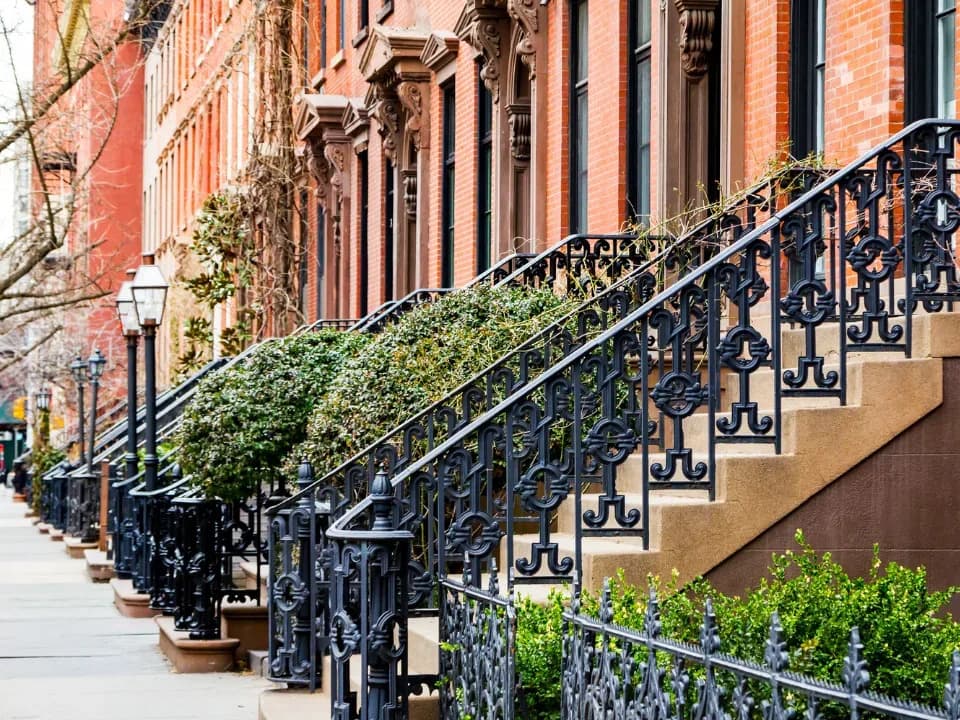
NYC Names 12 Districts for Affordable Housing Fast Track
New York City’s Department of City Planning has designated 12 community districts across four boroughs where affordable housing rezoning applications will be processed on an expedited 90-day timetable beginning Jan. 1. The change is intended to speed approvals in neighborhoods that have produced relatively little affordable housing while keeping stronger affordability requirements in place.
What’s Changing
Rezoning proposals in the selected districts will move through an Expedited Land Use Review Procedure that shortens the typical seven-month review to 90 days. The process is split into two stages: the first 60 days for community engagement and borough president review, and a final 30 days for the City Planning Commission.
Where And Why
The list includes neighborhoods in Manhattan, Brooklyn, Queens and Staten Island — notably the Upper West Side and Upper East Side (with Roosevelt Island) in Manhattan; Bay Ridge and Dyker Heights, Borough Park and Kensington, and Canarsie and Flatlands in Brooklyn; five districts in Queens; and two on Staten Island. City Planning says these 12 districts produced just 724 of the city’s more than 65,000 affordable housing units over the past five years, roughly 1.1% of the total.
Eligibility And Affordability Requirements
To qualify for the fast track, projects must meet Mandatory Inclusionary Housing (MIH) standards or offer deeper affordability. Under MIH, developments with more than 10 units must set aside 20%–30% of residential floor area for permanent affordable housing, targeting households with incomes between 60% and 115% AMI depending on the option used.
Limits On Council Member Deference And Appeals
The policy limits the long-standing practice of council member deference in the designated districts for five years, meaning a single council member will have reduced power to block rezonings in those areas during that period. If a rezoning is denied, developers may appeal to a review board composed of the mayor, the council speaker and the borough president.
Background, Use And Oversight
City Planning says it will recalculate the list every five years. The expedited procedure has been used three times previously; one example rezoned a city-owned site in Mott Haven to permit an 84-unit building. City Planning developed the list after voters approved a ballot measure last November aimed at streamlining the approvals process.
Reactions
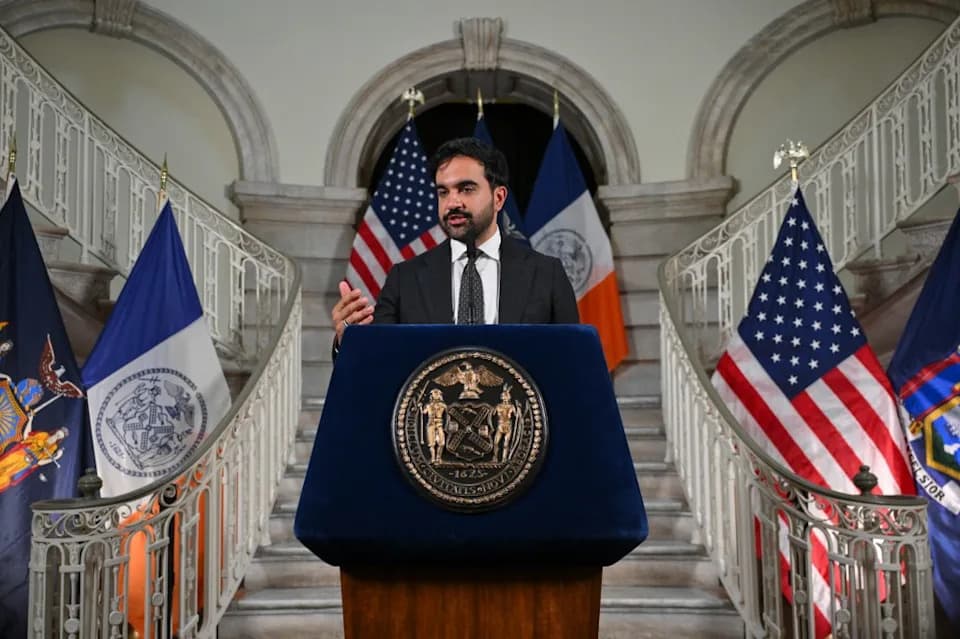
Mayor Zohran Mamdani called the policy "a new tool to cut through red tape," saying it should help spread development more equitably across boroughs. City Planning Director Sideya Sherman said, "We can't concentrate affordable housing in just a handful of neighborhoods." Opposition remains: then-Council Speaker Adrienne Adams criticized the ballot measure when proposed, and Upper West Side Council Member Gale Brewer has urged removing Manhattan from the list. Expect further debate from council members before the Jan. 1 start date.
Quick Fact: The 12 designated districts produced just 1.1% of NYC's affordable housing output over the past five years, while another set of 12 districts produced 51% during the same period.
Help us improve.