The Fernandina giant tortoise (Chelonoidis phantasticus) was rediscovered in 2019 after 113 years with the finding of a lone female nicknamed Fernanda. Genetic tests in 2021 confirmed she matches the historic 1906 specimen, returning the species to the scientific record. Although rediscovery proves the species survives, Fernanda is the only confirmed individual and the tortoise remains Critically Endangered. The Phoenix Species Project, launched in August 2026 with a $200 million commitment from Re and the Bezos Earth Fund, lists the Fernandina tortoise among 100 priority species for active recovery.
“Almost Gone, Not Gone”: The Miraculous Rediscovery of the Fernandina Giant Tortoise and a New Hope for Recovery

NEW YORK, NEW YORK - MARCH 03: Lauren Sanchez Bezos leaves The Today Show in Midtown on March 03, 2026 in New York City. (Photo by Aeon/GC Images) (GC Images)
Lauren Sánchez Bezos has spotlighted one of conservation's most remarkable comeback stories: the rediscovery of the Fernandina giant tortoise (Chelonoidis phantasticus), a species missing from scientific records for 113 years.
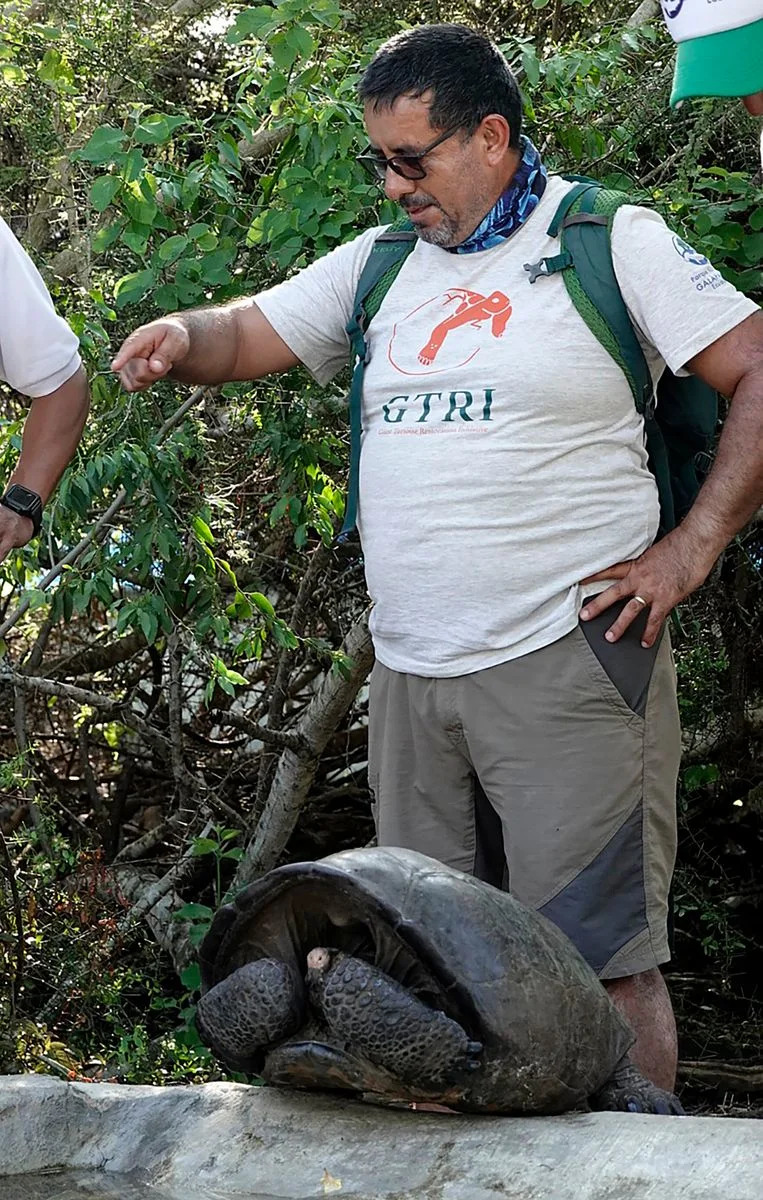
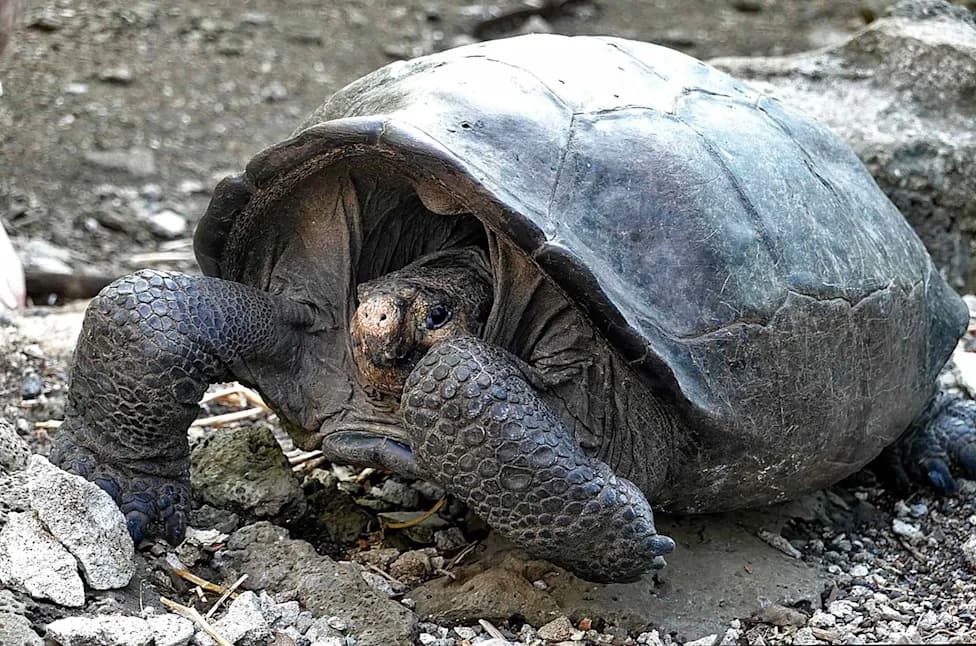
Washington Tapia, member of Galapagos Conservancy, is pictured with a specimen of the giant Galapagos tortoise Chelonoidis phantasticus, thought to have gone extinct about a century ago. (@ AFP via Getty Images)
Almost gone is not gone. In a recent Instagram post Sánchez Bezos highlighted how a lone female tortoise, nicknamed Fernanda, offers a rare opportunity to move a species from rediscovery toward recovery through coordinated conservation efforts like the Phoenix Species Project, backed by Re and the Bezos Earth Fund.
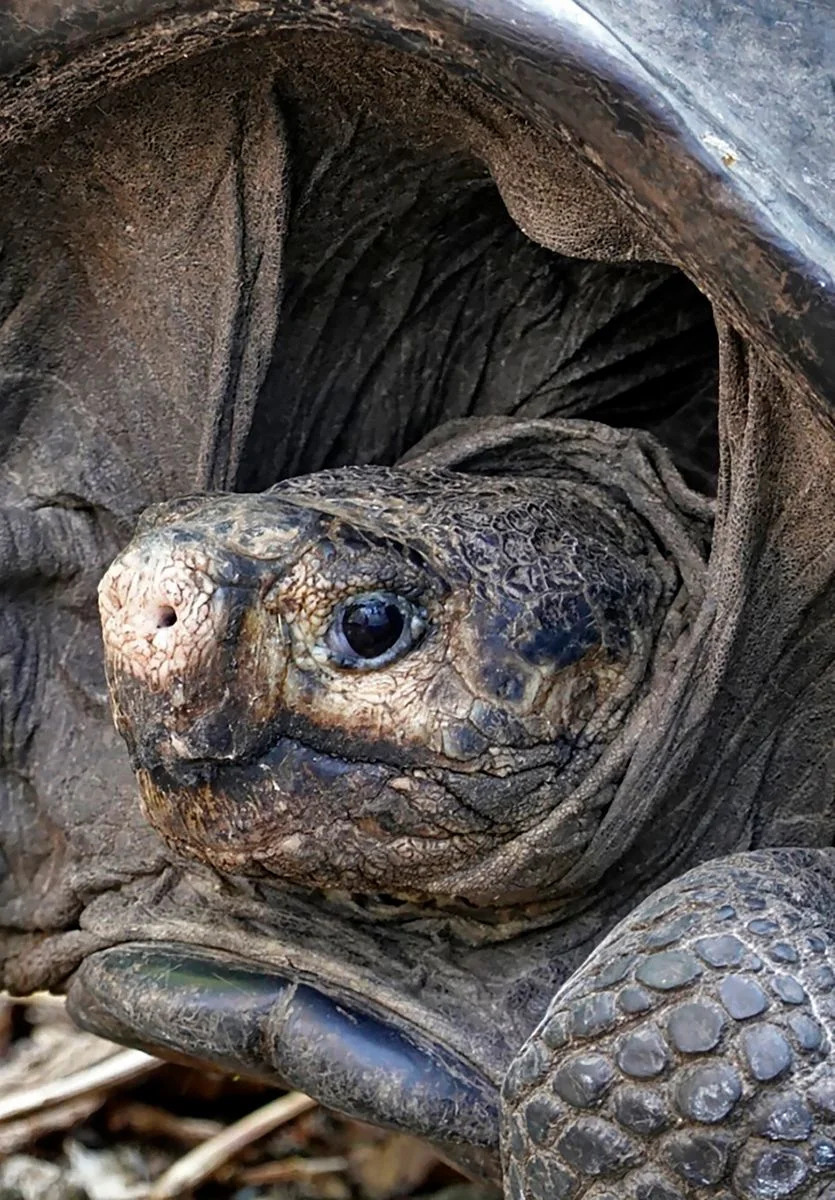
The adult female was found earlier in the day during an expedition in Fernandina Island, in the Galapagos. (@ AFP via Getty Images)
From Lost To Found
For much of the 20th century the Fernandina tortoise was known only from a single male specimen collected on Fernandina Island in 1906. No confirmed sightings followed for generations, and scientists feared the species had vanished. That changed in 2019 when an expedition by the Galápagos National Park Directorate and Galapagos Conservancy located a lone giant female on Fernandina Island.
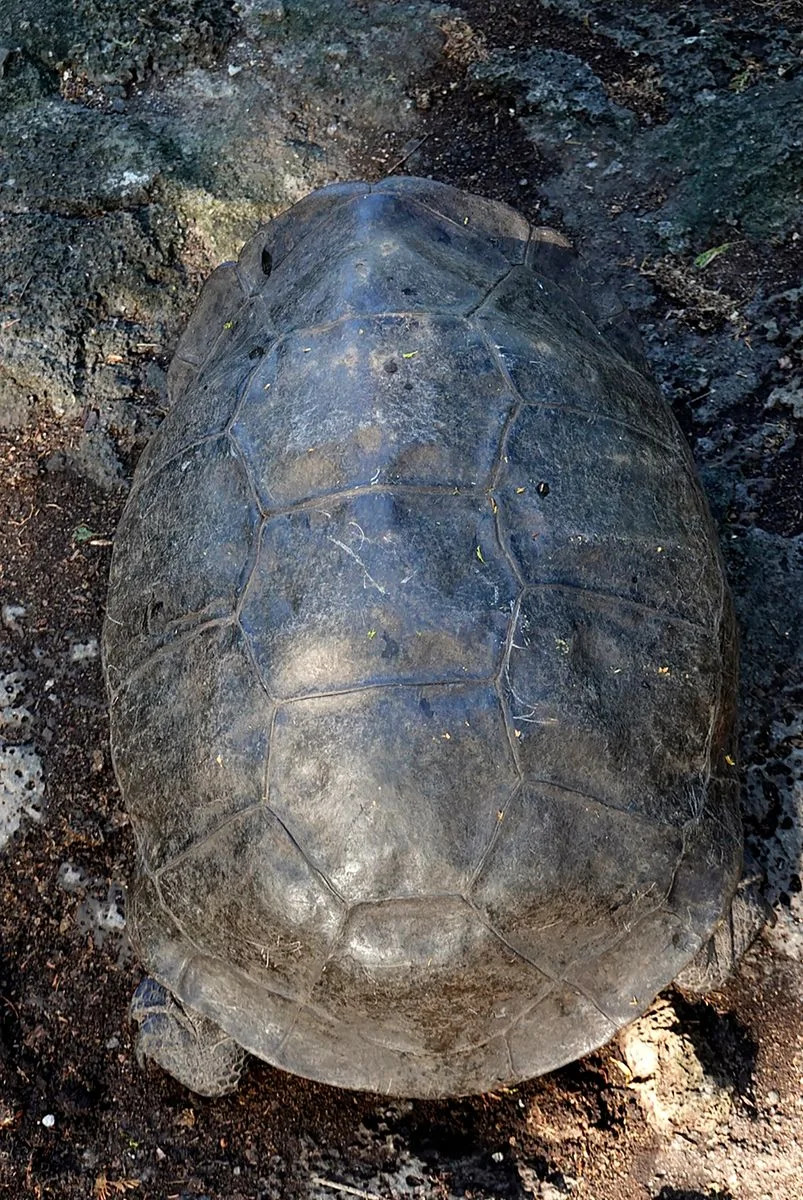
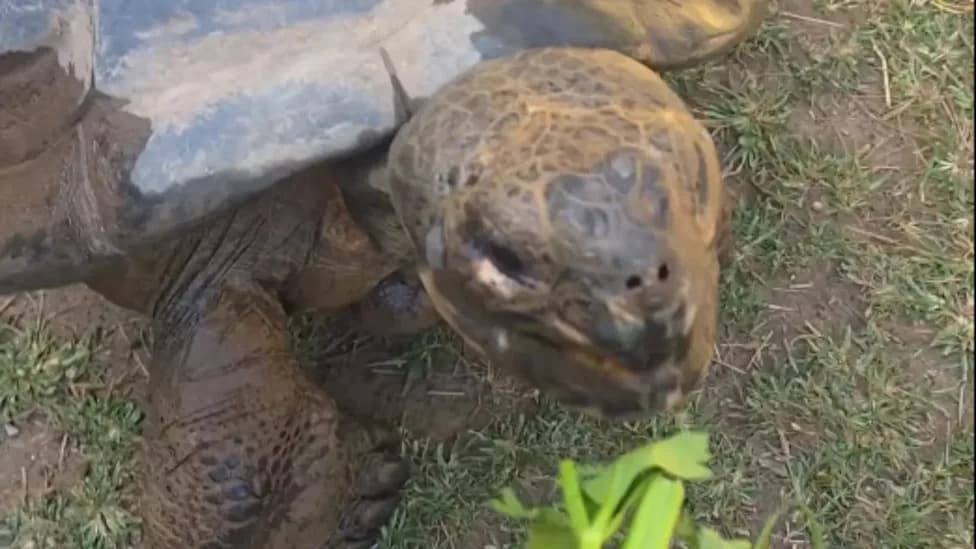
A specimen of the giant Galapagos tortoise Chelonoidis phantasticus, thought to have gone extint about a century ago, is seen at the Galapagos National Park on Santa Cruz Island in the Galapagos Archipelago (@ AFP via Getty Images)
“Almost gone is not gone,” Sánchez Bezos wrote alongside the video spotlighting Fernanda.
Genetic Confirmation And Conservation Implications
In 2021 genetic testing at Yale University confirmed that the 2019 female matches the historic Fernandina specimen, restoring Chelonoidis phantasticus to the scientific record. While rediscovery proved the species still existed, it did not guarantee its survival: Fernanda remains the only confirmed living individual, and the species is classified as Critically Endangered.
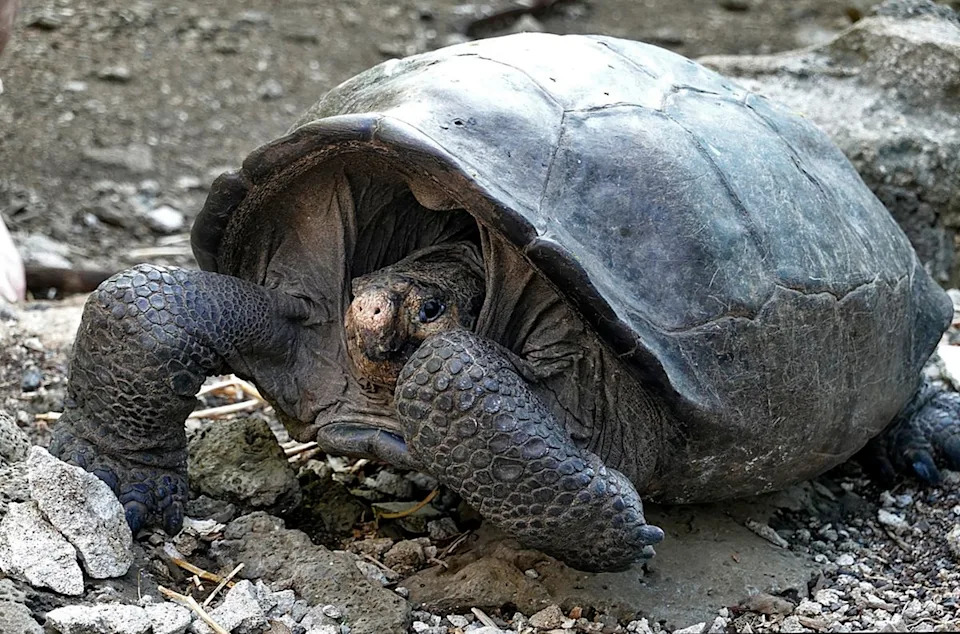
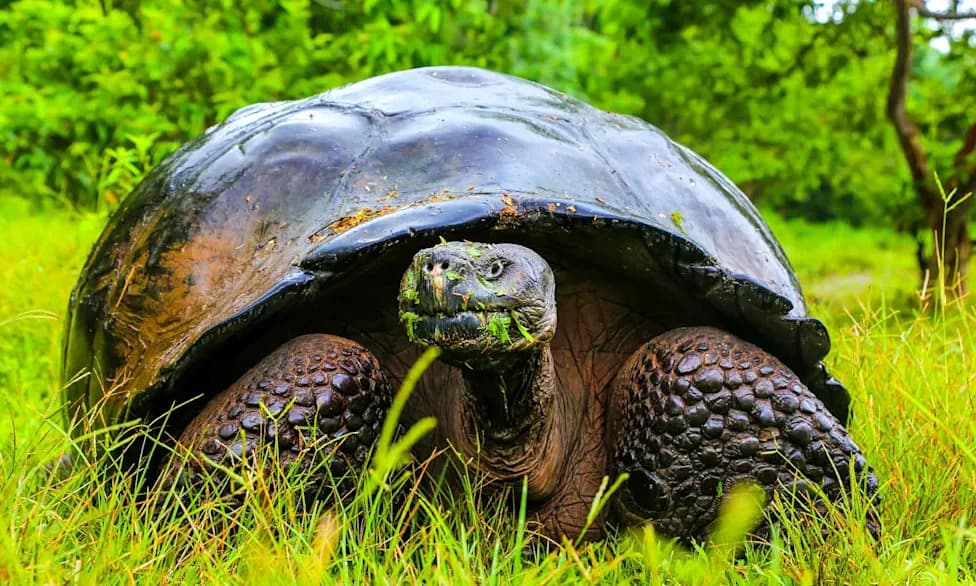
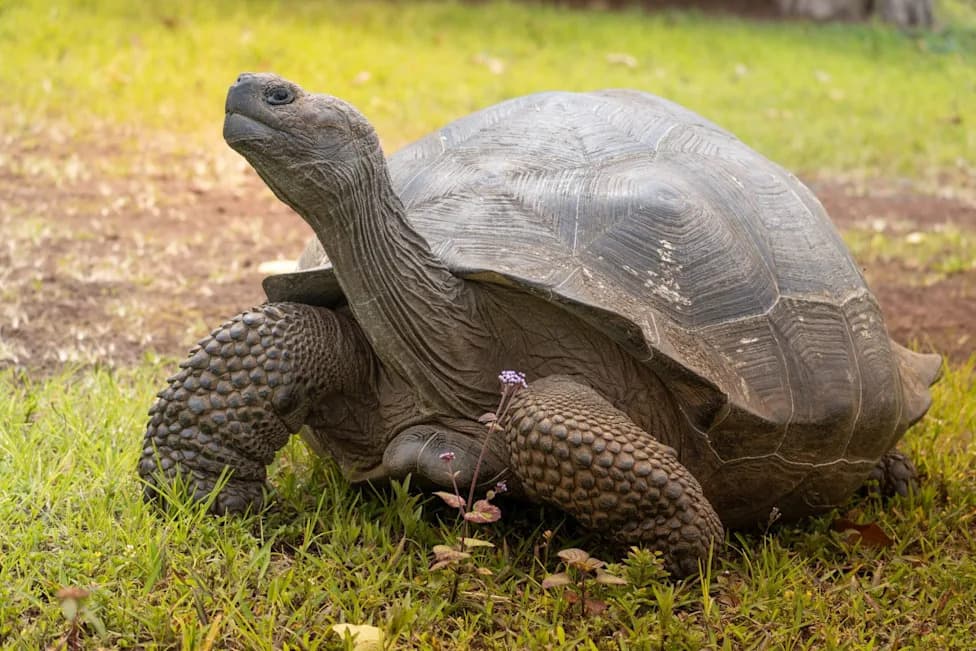
A specimen of the giant Galapagos tortoise Chelonoidis phantasticus (@ AFP via Getty Images)
Because only one confirmed tortoise is known, conservationists emphasize that locating additional individuals and developing a managed recovery plan or captive breeding strategy are essential to avoid extinction.
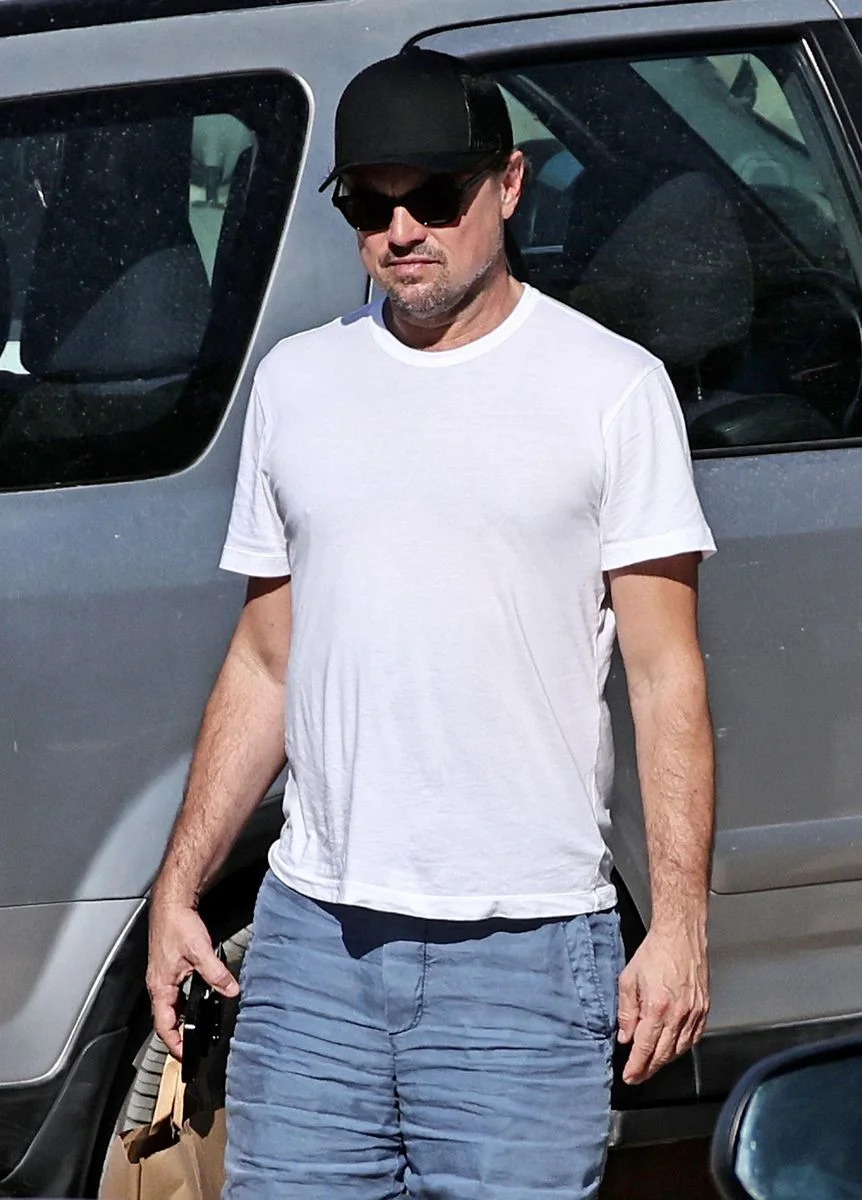
Leonardo DiCaprio founded the Phoenix Species Project (@ Backgrid UK/The Grosby Group)
Global Support: The Phoenix Species Project
The rediscovery is now linked to a broader global recovery effort. The Phoenix Species Project—launched in August 2026—aims to actively recover 100 of the world’s most threatened species. The initiative began with a $200 million pledge split between Re and the Bezos Earth Fund and includes support from Leonardo DiCaprio, Age of Union and other partners. The Fernandina giant tortoise is among the project’s Latin American priority species.
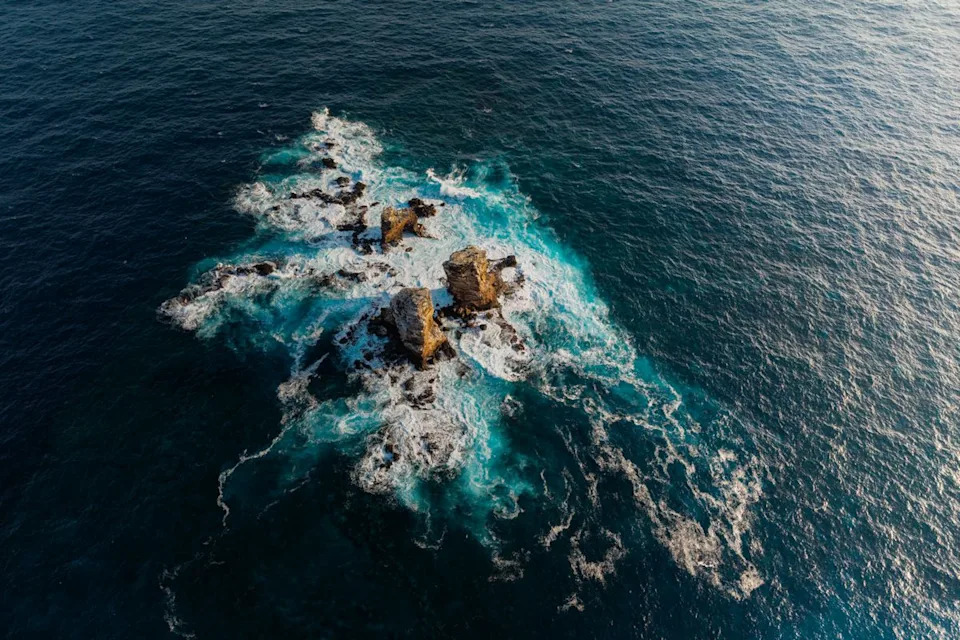
This aerial view shows Darwin's Pillars, remnants of Darwin's Arch, near the island of the same name in the northern Galapagos archipelago, Ecuador (@ AFP via Getty Images)
Why Fernandina Island Matters
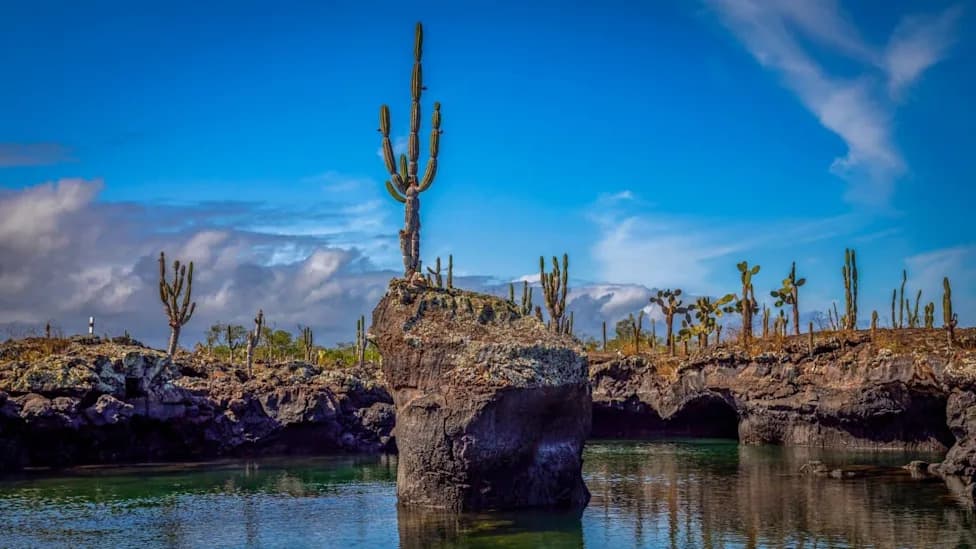
Fernandina Island is the youngest and one of the most volcanically active islands in the Galápagos archipelago. Its rugged, lava-covered terrain makes field surveys challenging, which helps explain how a species could remain undetected for more than a century. The island’s environment both complicates search efforts and underscores the urgency and difficulty of recovery work.
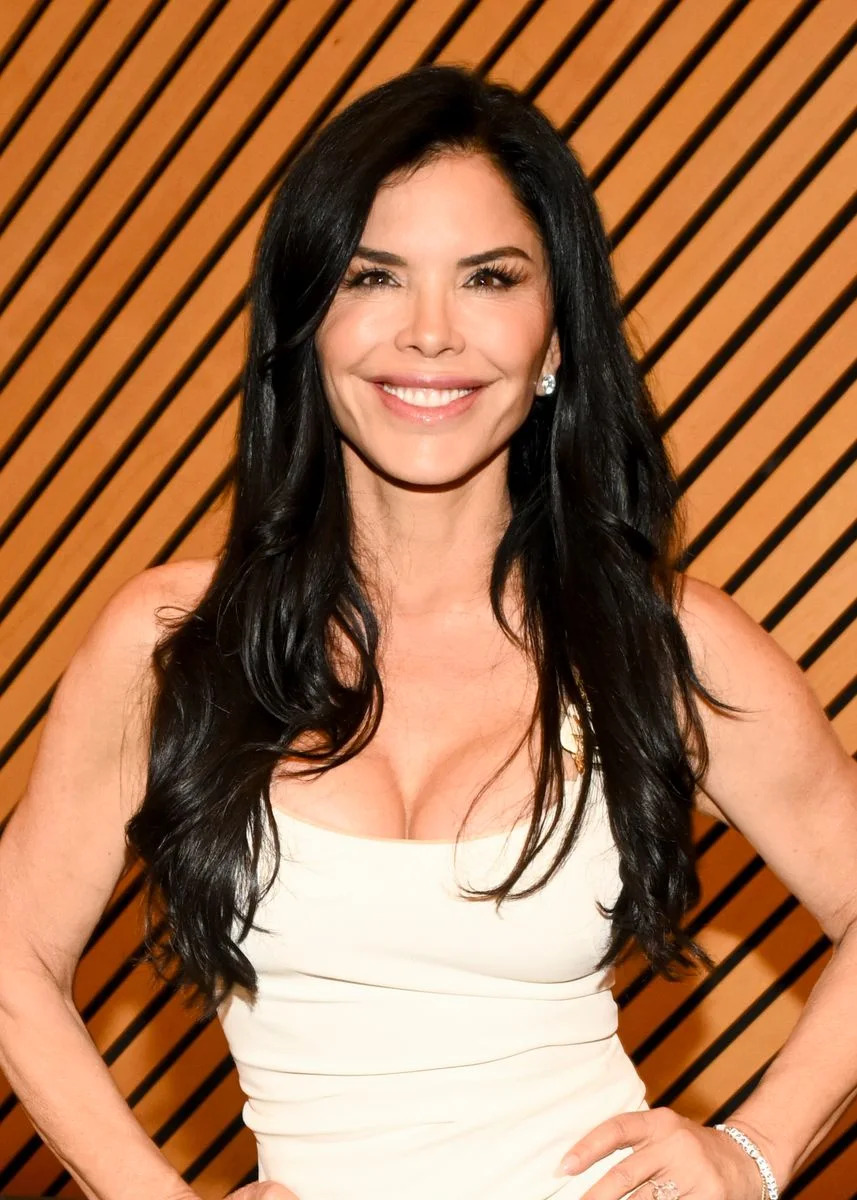
Sánchez Bezos' post also connects with broader conservation work backed by the Bezos Earth Fund, where she serves as vice chair. (@ WWD via Getty Images)
Ongoing Conservation Work
Sánchez Bezos’ post also connects to ongoing conservation funding from the Bezos Earth Fund, where she serves as vice chair. In 2021 the fund supported Galápagos-related work with a $1.32 million award to Fundación Jocotoco, WildAid and the Charles Darwin Foundation through Re, and the Phoenix initiative expands that approach with a targeted recovery focus.
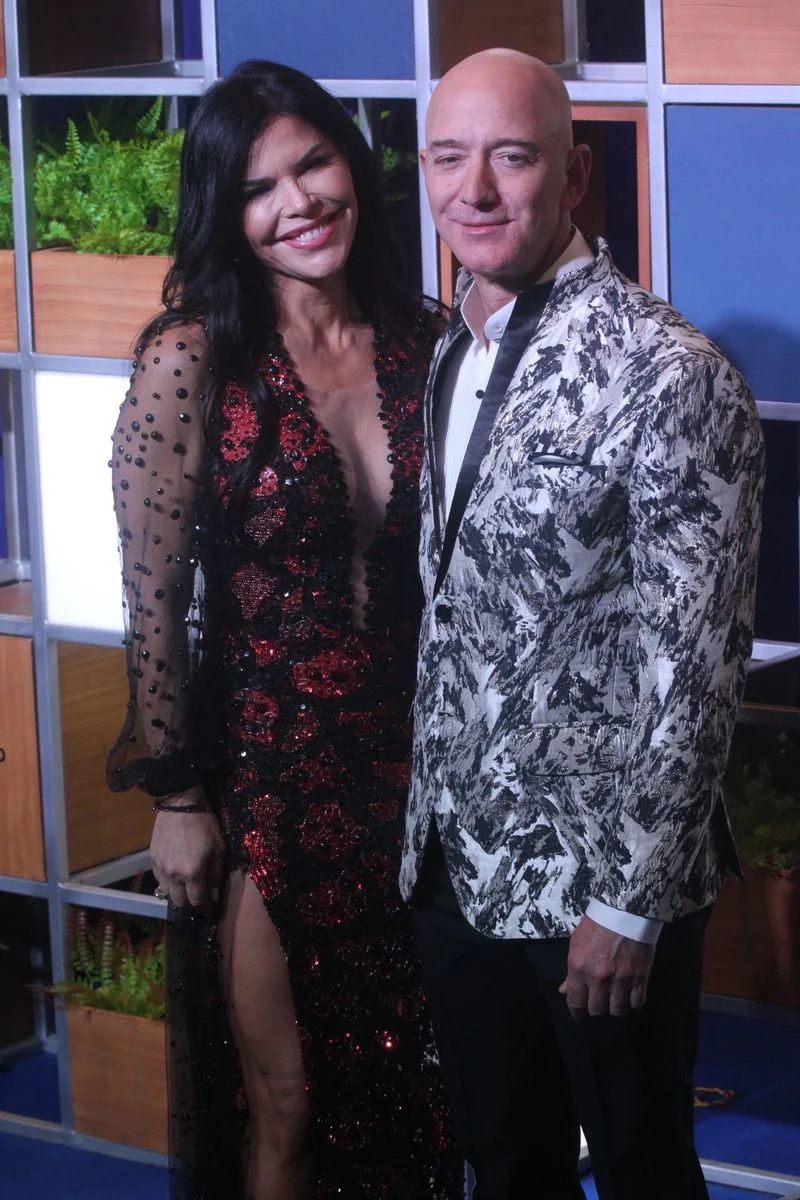
In 2021, the Bezos Earth Fund awarded $1.32 million to Fundación Jocotoco, WildAid and the Charles Darwin Foundation. (@ Anadolu Agency via Getty Images)
The Fernanda story highlights two truths about conservation: rediscovery can restore hope, but turning hope into a lasting recovery requires sustained fieldwork, genetic verification, and long-term investment. Fernanda’s presence offers a vital starting point—but much remains to be done to bring her species back from the brink.
Help us improve.