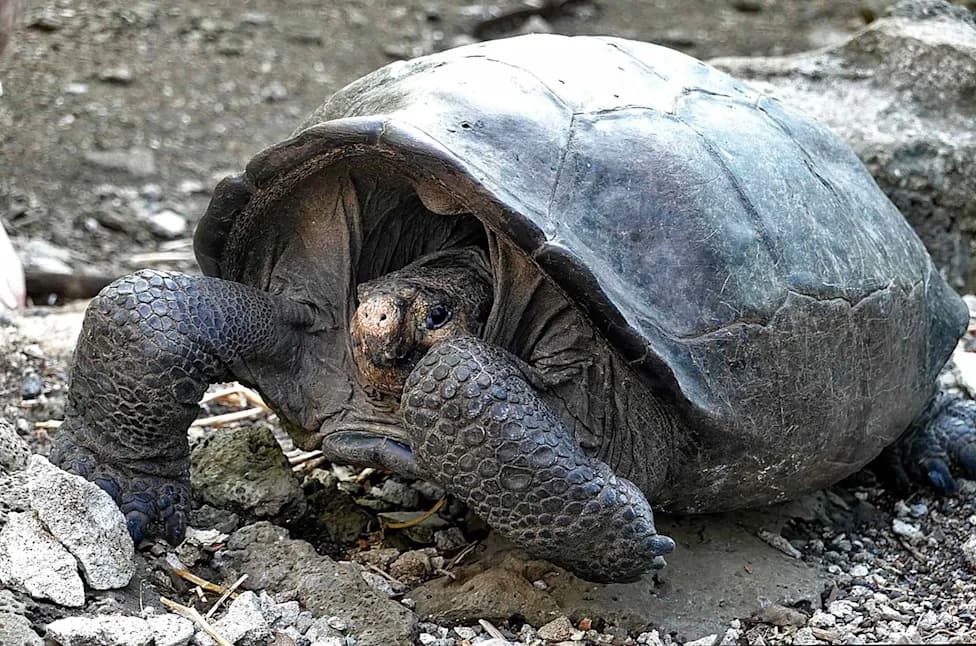
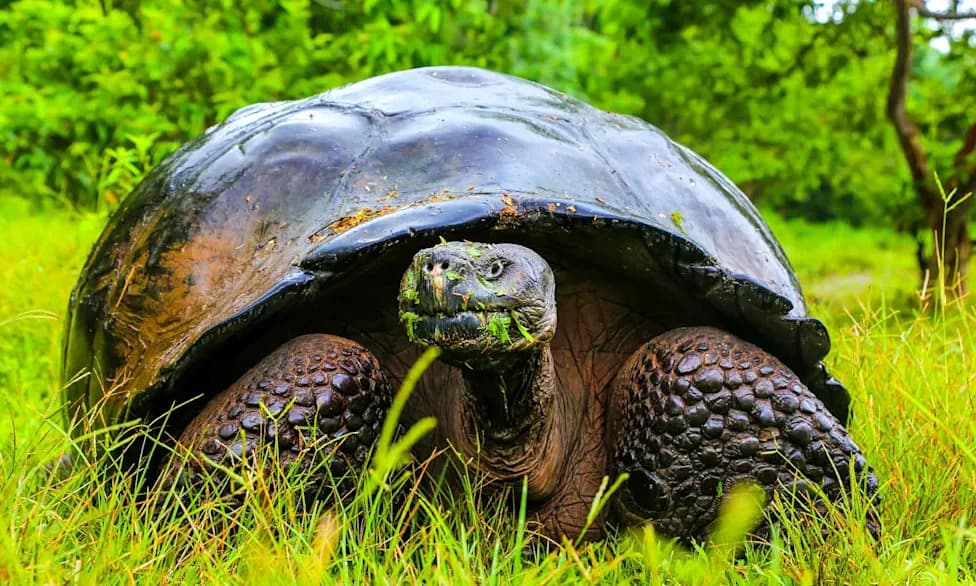
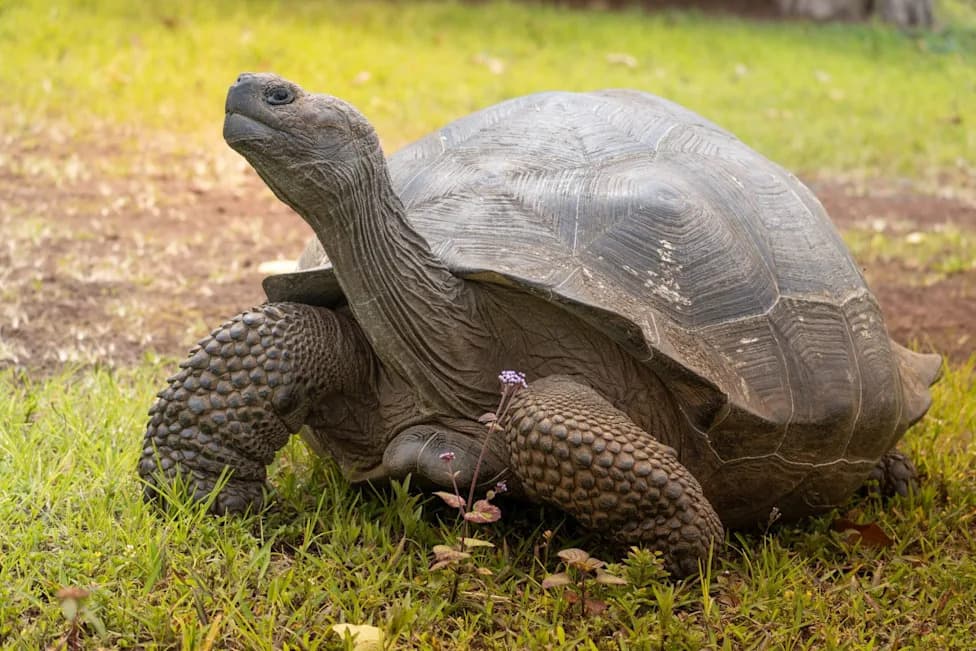
Mommy, a Western Santa Cruz Galápagos tortoise at the Philadelphia Zoo, became a first-time mother at nearly 100 years old, producing 16 hatchlings with partner Abrazzo. Seven hatchlings hatched from eggs laid in November 2024 and nine more followed, for a total of nine males and seven females. These births are the zoo's first successful hatching of this lineage and add previously unrepresented genetics to the AZA-managed breeding population, which now totals 60 individuals. Years of habitat preparation and coordinated breeding efforts made the success possible.
Nearly 100-Year-Old Galápagos Tortoise 'Mommy' Becomes First-Time Mom to 16 Hatchlings, Bolstering Conservation
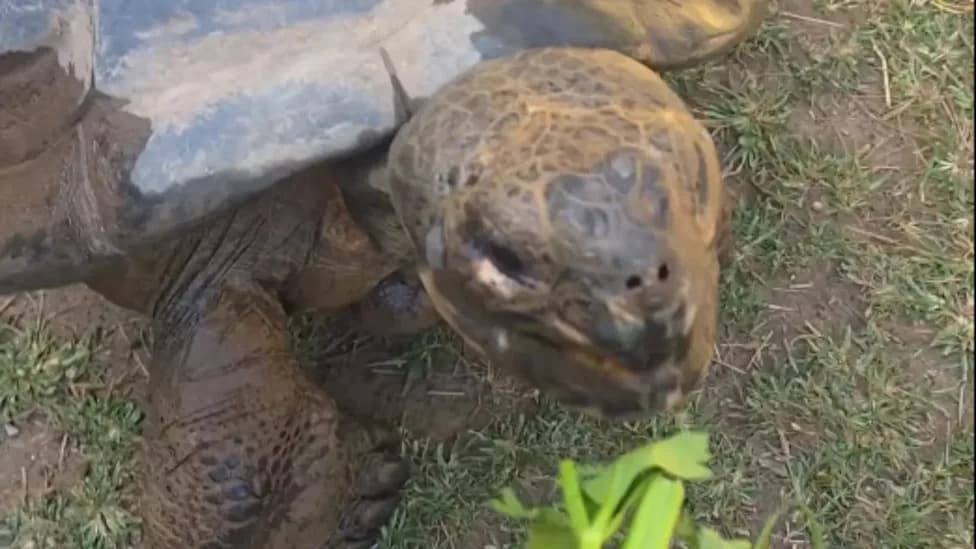
Image Credit: Philadelphia Zoo on Facebook.
Mommy, a Western Santa Cruz Galápagos tortoise at the Philadelphia Zoo, became a first-time mother nearly a century after she was born — and she didn't stop at one.
Mommy produced her first surviving hatchlings in 2025. Paired with Abrazzo, a fellow nearly 100‑year‑old tortoise transferred from Riverbanks Zoo and Garden in 2020, the pair ultimately welcomed 16 hatchlings — seven from eggs laid in November 2024 and nine that followed, bringing the total to 16.
A Historic Milestone For The Zoo And Conservation
The births mark the Philadelphia Zoo's first successful hatching of this particular Western Santa Cruz Galápagos population in the institution's more than 150‑year history. The zoo has identified Mommy as the oldest known first‑time mother of her species at a U.S. zoo.
Western Santa Cruz Galápagos tortoises are classified as critically endangered. The Association of Zoos and Aquariums (AZA) manages a captive breeding program to preserve genetic diversity, and Mommy's line had not previously been represented in that managed population. AZA officials say the new offspring add important, previously unrepresented genetics to the program. After the hatchlings arrived, the managed Western Santa Cruz population reached 60 individuals.
Years Of Preparation
Zookeepers and conservation partners spent years preparing for the possibility of hatchlings. Staff modified enclosures, created dedicated nesting areas, refined incubation protocols and studied successful breeding practices used at other institutions. Several large clutches of eggs preceded the successful hatchlings, highlighting the persistence and collaboration required to achieve this outcome.
The 16 juveniles — nine males and seven females — are reported to be feeding, growing and developing normally under the care of zoo staff.
"For a tortoise that waited nearly 100 years to become a parent, Mommy has made a dramatic and meaningful contribution to conservation efforts for her species."
Conservationists say the hatchlings offer hope for the species' long‑term recovery: each new, genetically valuable animal increases the resilience of the managed population and the prospects for future reintroduction or supplementation efforts.
Help us improve.