A Science study sequenced 493 matched tumor–normal samples across 13 feline cancer types using a 978-gene targeted panel and identified 31 driver genes. TP53 was the most commonly mutated gene (33%), and recurrent changes were seen in MYC, PTEN, and FAS. Mutations linked to approved drugs were present in ~21% of tumors by one database and 14% by OncoKB; in vitro tests showed FBXW7-mutant mammary lines were more sensitive to vincristine and vinorelbine. The findings expand genomic data for cats and highlight comparative oncology opportunities, but clinical relevance requires further study.
House Cats Could Unlock New Clues for Human Cancer Treatment
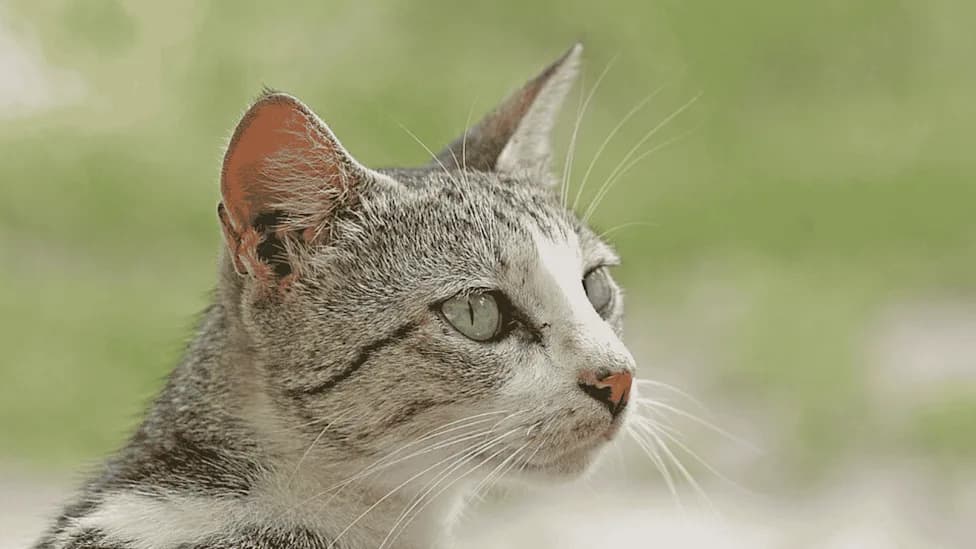
House cat
New research suggests domestic cats may offer valuable genetic insights for cancer research in humans. A study published in Science analyzed 493 matched tumor–normal tissue samples across 13 feline cancer types and used a targeted panel of 978 feline equivalents of genes implicated in human cancer. From that dataset the team identified 31 cancer driver genes, creating one of the broadest genomic maps of naturally occurring cancers in cats to date.
Key Findings
TP53 was the most frequently mutated gene, present in about 33% of tumors. Researchers also observed recurrent alterations in MYC, PTEN, and FAS. In feline mammary cancers, FBXW7 emerged as a prominent driver and PIK3CA mutations were common—PIK3CA being well-established in human oncology. By contrast, activating RAS mutations, which often drive human cancers, did not appear as drivers in the feline tumor types analyzed.
Treatment Relevance (Preliminary)
The team cross-referenced tumor mutations with human cancer and drug databases. Six of the 31 driver genes encode proteins for which at least one approved drug exists in the consulted database; those mutations appeared in 102 of 493 tumors (about 21%). A separate query using OncoKB flagged 67 tumors (14%) as carrying at least one oncogenic or likely oncogenic, potentially actionable mutation.
In lab experiments, researchers tested six feline mammary tumor cell lines—three with FBXW7 mutations and three without. The FBXW7-mutant lines were more sensitive in vitro to the chemotherapy agents vincristine and vinorelbine. The authors emphasize that these are early, in vitro findings and not clinical evidence of therapeutic benefit.
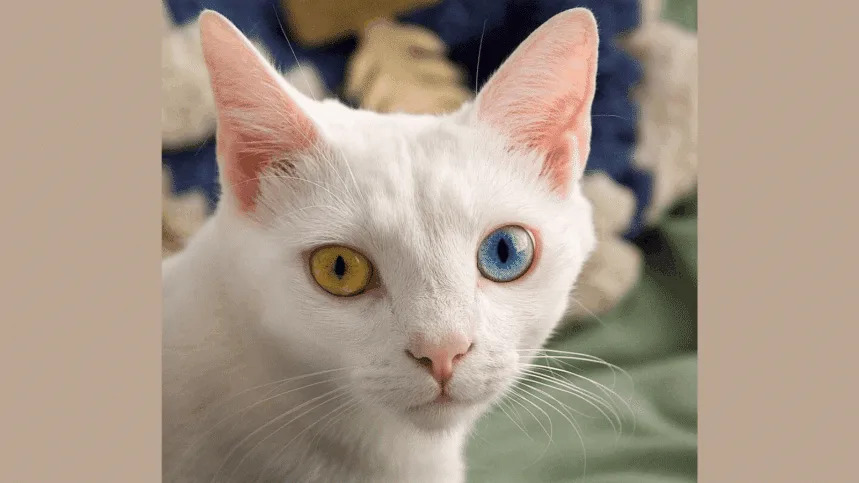
Image Credit:Keith Kissel,CC BY 2.0, via Wikimedia Commons
Why This Matters
This study helps close a long-standing genomic gap: feline cancers have been far less studied than canine cancers at the molecular level. Because pet cats develop cancers naturally (rather than in engineered laboratory models), their tumors provide a complementary biological context for comparative oncology—helpful both for veterinary care and for understanding which cancer features are shared across species.
“There was very little known about the genetics of cancer in these animals, until now,” said co-senior author Geoffrey Wood (University of Guelph). Coauthor Bailey Francis added, “When knowledge and data flow between different disciplines, we can all benefit.”
Limitations
The study’s gene panel was designed around known human cancer genes, so it may miss feline-specific drivers. Some cancer subgroups were small (for example, the glioma cohort included only seven cases), limiting statistical power for those tumor types. And the drug links and cell-line drug responses are preliminary; clinical studies in cats (and any extrapolation to human treatment) will require much larger trials and careful validation.
Outlook
While this work does not establish new human therapies, it provides a valuable genomic foundation for feline oncology and comparative cancer research. By mapping similarities and differences between feline and human tumors, the study opens new avenues for both veterinary precision medicine and cross-species insights that may ultimately inform human cancer biology.
Image credit: Keith Kissel, CC BY 2.0, via Wikimedia Commons
Help us improve.