Two sibling house cats, Gary and Shaggy, represent the first documented cases of Marfan syndrome in domestic cats. Clinical exams showed long limbs, eye abnormalities and an enlarged aorta; genetic sequencing linked the condition to mutations in the FBN1 gene, with each cat carrying two altered copies. The Cornell-led study may improve veterinary recognition and spur development of feline genetic tests.
First Confirmed Cases of Marfan Syndrome in Cats: Gary and Shaggy's Discovery and What It Means
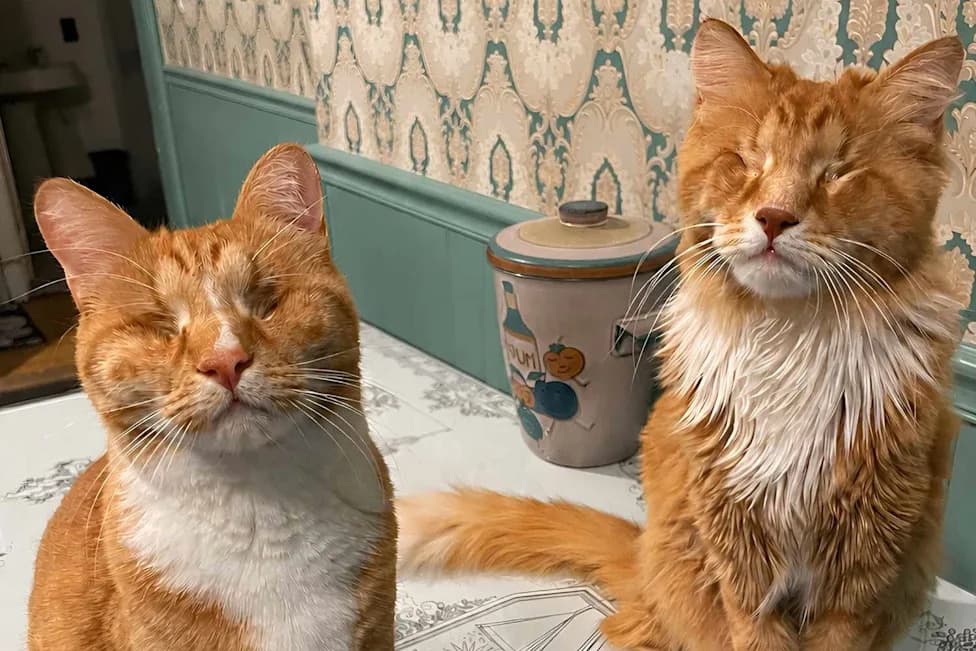
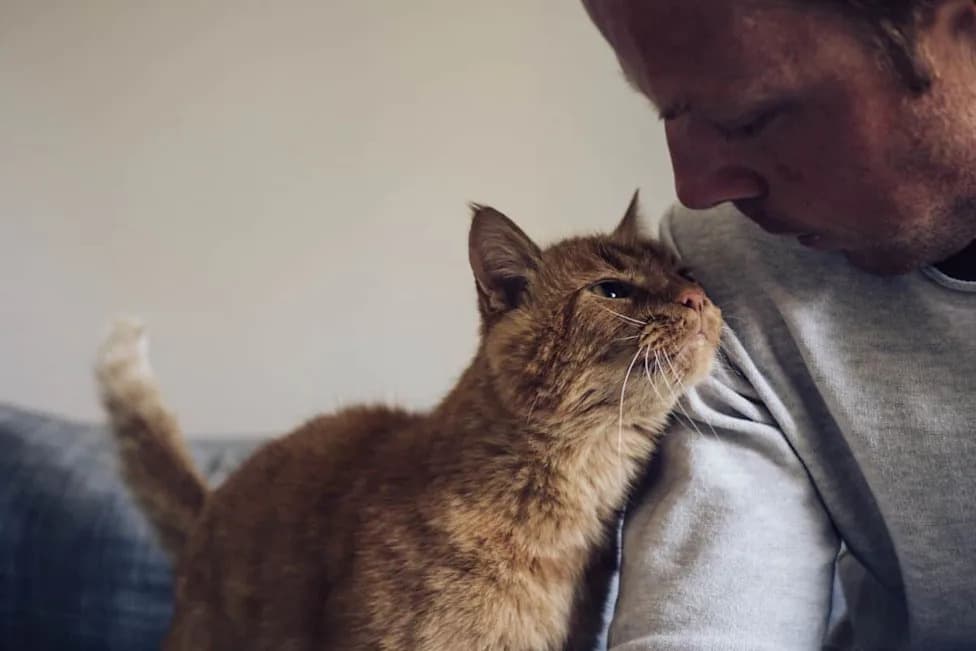
Feline siblings Gary and ShaggyCredit: courtesy Nicole Desmond
Two sibling domestic cats, Gary and Shaggy, have been diagnosed with the first documented cases of Marfan syndrome in domestic cats. The discovery, reported by Cornell University and published Sept. 19 in Scientific Reports, combines clinical examinations and genetic sequencing to reveal a previously unreported feline connective-tissue disorder.
What the Researchers Found
Marfan syndrome is a genetic disorder that affects connective tissues throughout the body, including bones, eyes, ligaments and blood vessels. In humans it commonly causes a tall, slender build with unusually long limbs and digits, severe nearsightedness, and an increased risk of life-threatening aortic enlargement.
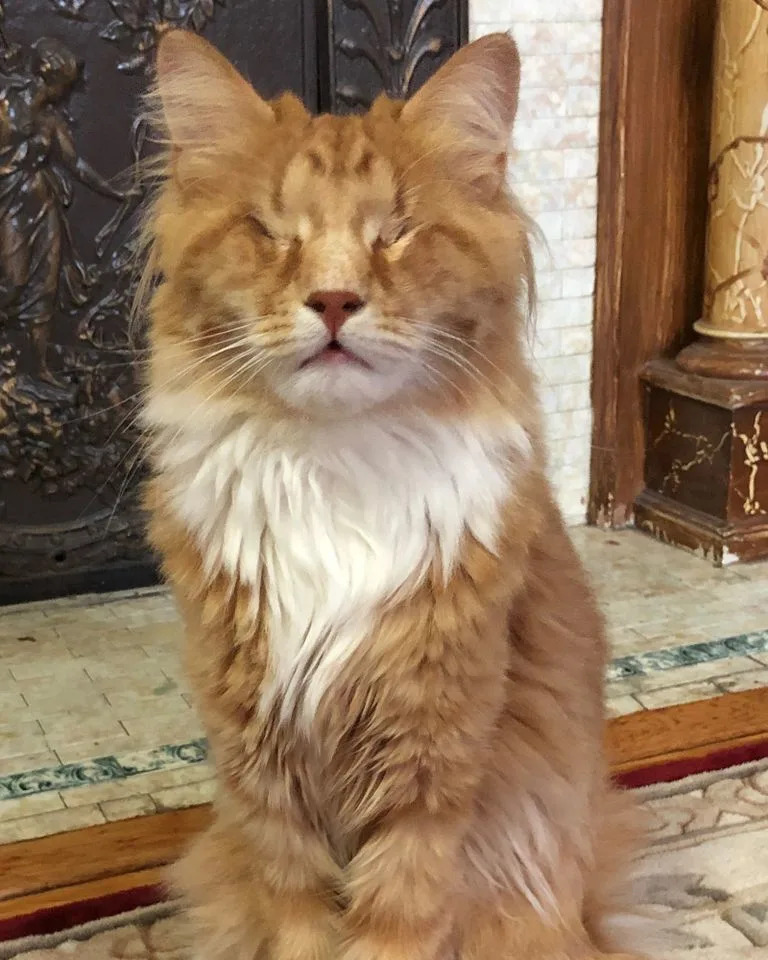
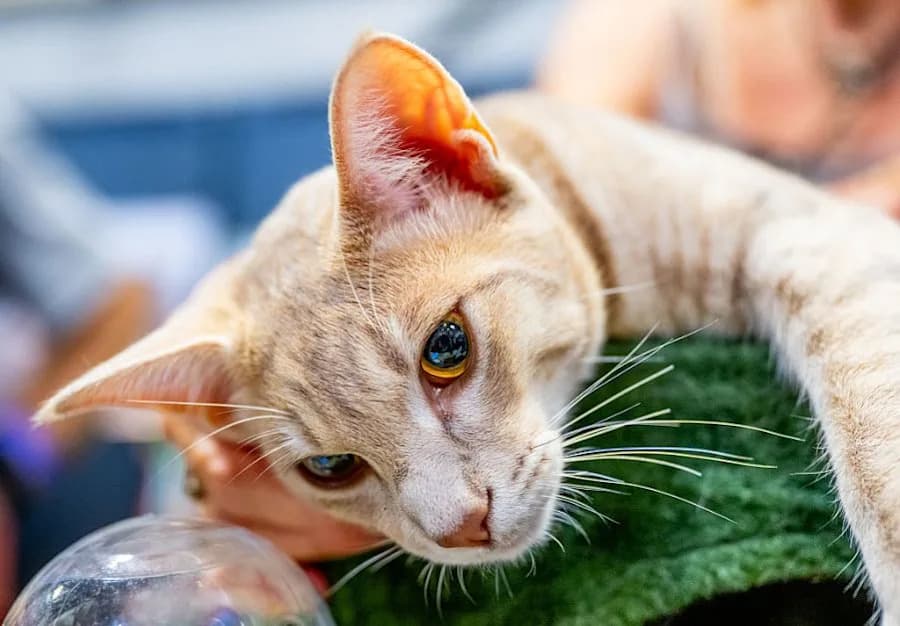
ShaggyCredit: courtesy Nicole Desmond
Gary and Shaggy’s owners first noticed unusually long limbs when the cats were kittens. As the animals matured, veterinarians documented eye abnormalities and an enlarged aorta — a combination of signs that prompted further investigation.
Researchers from Cornell’s College of Veterinary Medicine and the Baker Institute for Animal Health, working with colleagues at Ghent University, the University of Pennsylvania and the Schwarzman Animal Medical Center, performed clinical exams and genetic sequencing. They traced the condition to changes in the FBN1 gene, which encodes fibrillin-1, a key protein in connective tissue.
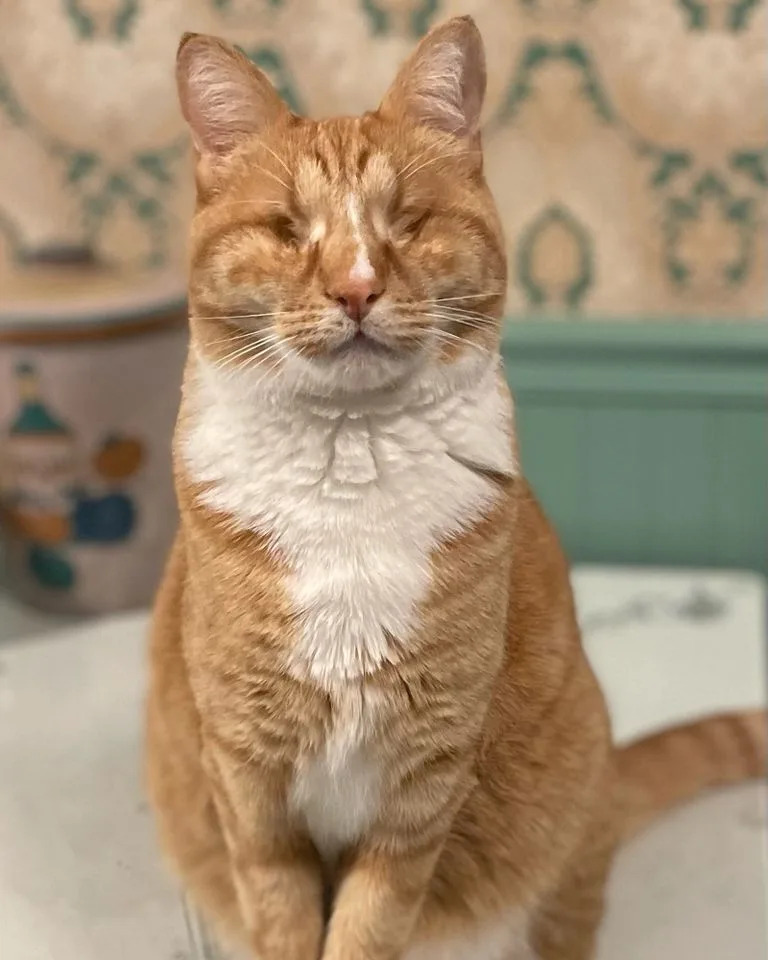
GaryCredit: courtesy Nicole Desmond
Notably, each cat carried two altered copies of FBN1 (one from each parent). In people, Marfan syndrome most often results from a single altered copy of FBN1; having two altered copies is exceptionally rare. The feline findings therefore broaden understanding of how FBN1 variants can produce connective-tissue disease across species.
“The findings provide a foundation for improved veterinary diagnostics,” said Dr. Jacquelyn Evans, senior author of the study. “They can help veterinarians recognize similar cases and may lead to genetic tests that benefit other animals.”
Why This Matters
This report establishes a reference case for identifying and managing Marfan-like disorders in cats. It highlights the value of collaboration between pet owners, veterinarians and geneticists and underscores the role of comparative medicine — studying diseases across species to improve health for animals and humans alike.
Practical takeaways: Cat owners who notice unusually long limbs, vision problems, or breathing/heart-related signs should consult their veterinarian. An echocardiogram can detect aortic enlargement, and genetic testing may become available as a diagnostic tool in the future.
Study publication: Scientific Reports, Sept. 19. Reported in a Cornell press release on Sept. 22.
Help us improve.