The Senate on Sept. 30, 2026, blocked the 'Ratepayer Protection Act' by a 57-43 vote, three shy of the 60 votes needed to advance it, effectively ending its chances this Congress. The bill would have directed state regulators to consider requiring large nonresidential users — mainly data centers with at least 100 MW peak demand — to pay the incremental costs of grid upgrades. Critics said the bill's wording only required regulators to 'consider' standards, making protections nonbinding; Democrats proposed the more prescriptive GRID Savings Act instead. With the Senate defeat, decisions on allocating data-center grid costs now rest with state regulators and local utility proceedings.
Senate Rejects Ratepayer Protection Act, Leaving Data-Center Grid Costs To States
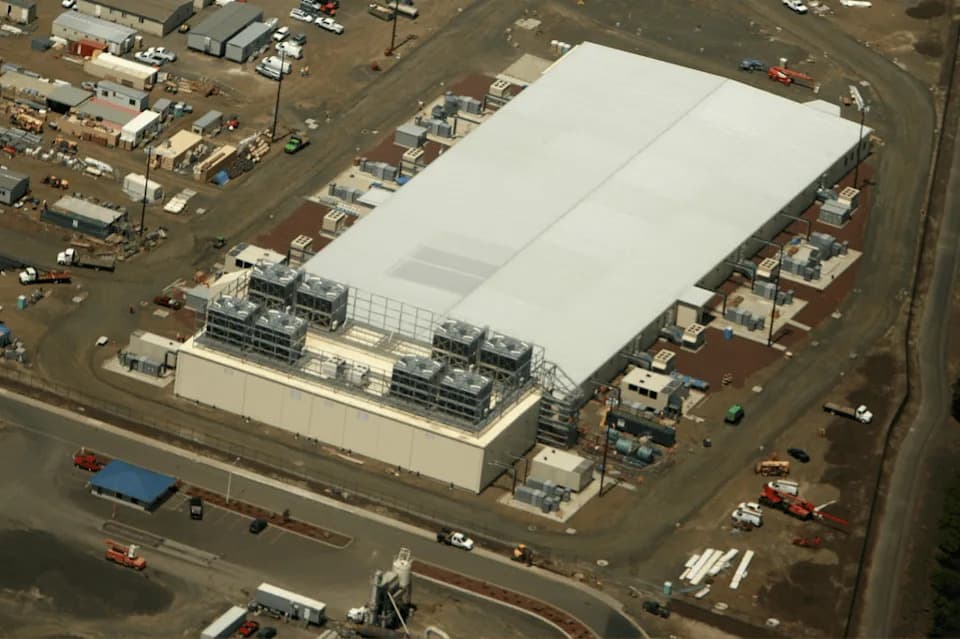
Image: Deposit Photos
On Sept. 30, 2026, the Senate voted 57-43 to block the 'Ratepayer Protection Act,' falling three votes short of the 60 needed to invoke cloture and advance the bill. Without the cloture threshold, the measure is unlikely to move forward during this Congress.
What the Bill Proposed
The bill targeted large nonresidential electricity customers — primarily data centers — by setting a trigger at a peak demand of 100 megawatts or more at a single site or campus. Under the proposal, state utility regulators and nonregulated utilities would have been directed to consider adopting standards that require such large-load customers to pay the full incremental cost of grid upgrades, including generation, transmission and distribution investments. The House version also included financial-assurance provisions intended to protect ratepayers if a large customer scaled back operations or exited the grid.
Why The Measure Failed In The Senate
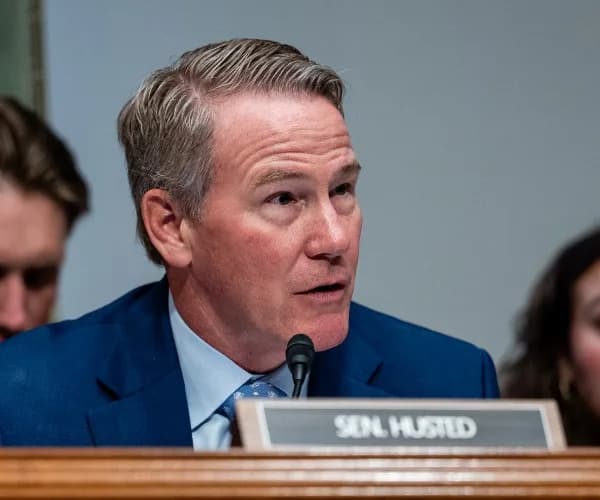
The bill sailed through the House 417-3 on Sept. 16, 2026, but stalled in the Senate after bipartisan momentum collapsed. Sen. Jon Husted (R-Ohio), the bill's Senate sponsor, sought unanimous consent on Sept. 17, but a Democratic senator objected, forcing a recorded floor vote. When the cloture vote occurred on Sept. 30, only four Democrats joined Republicans in supporting advancement.
Sen. Husted: 'The Ratepayer Protection Act would ensure American families and small businesses aren't left paying for the energy infrastructure needed to support new data centers.'
The Central Debate
Discussion centered on one operative word: the bill required regulators to consider adopting a cost-allocation standard rather than mandating adoption. Critics argued that this language made the protection nonbinding and did little to constrain state regulators' discretion. Senate Democrats offered a competing proposal, the GRID Savings Act, which would have been more prescriptive and would have required large data centers to pay the full costs of grid upgrades tied to their operations.
What Happens Next
Because no federal cost-allocation rule was enacted, the responsibility for deciding who bears data-center-related grid costs now falls primarily to state utility commissions, state legislatures and individual utility proceedings. Whether a nearby data center increases an individual customer's electricity bill will depend on local regulatory decisions, the utility's rate designs and state law. Lawmakers could revisit the issue after the midterm elections, possibly with stronger mandatory language, but no formal timetable has been announced.
Bottom line: The Senate's vote leaves the question of allocating data-center grid costs to state and local authorities for the foreseeable future.
Help us improve.