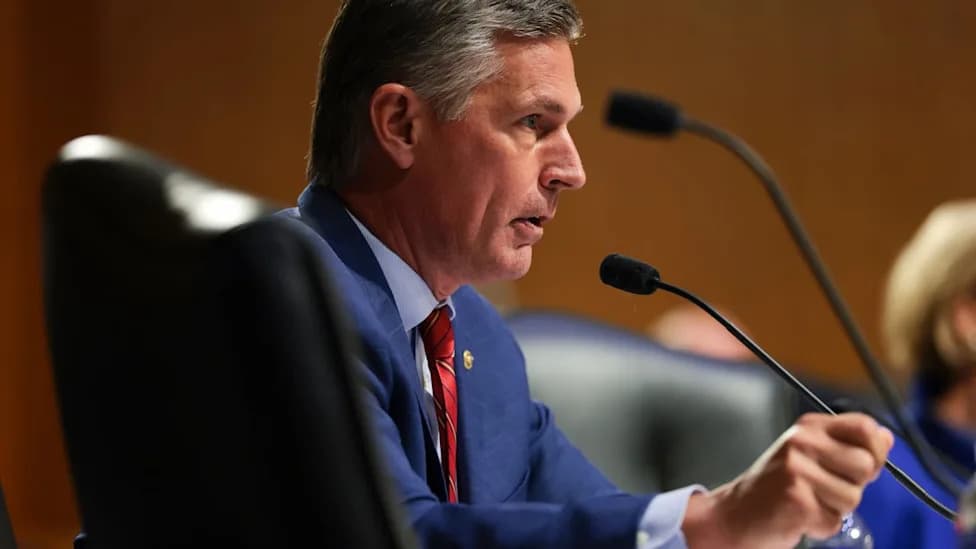
The U.S. Senate is nearing a bipartisan agreement to speed permitting for large infrastructure projects after the White House offered concessions on wind and solar. Senators Sheldon Whitehouse and Martin Heinrich led months of negotiations with Republicans; talks previously stalled when the administration paused several offshore wind projects. Legislative language is expected in the next "days or hours" for review, but a final vote may be delayed until after the midterm elections because the House is in recess. The deal could include changes to NEPA and other laws to shorten timelines while addressing transmission and environmental concerns.
Senate Nears Bipartisan Deal To Speed Permitting For Major Infrastructure After White House Concessions On Wind And Solar
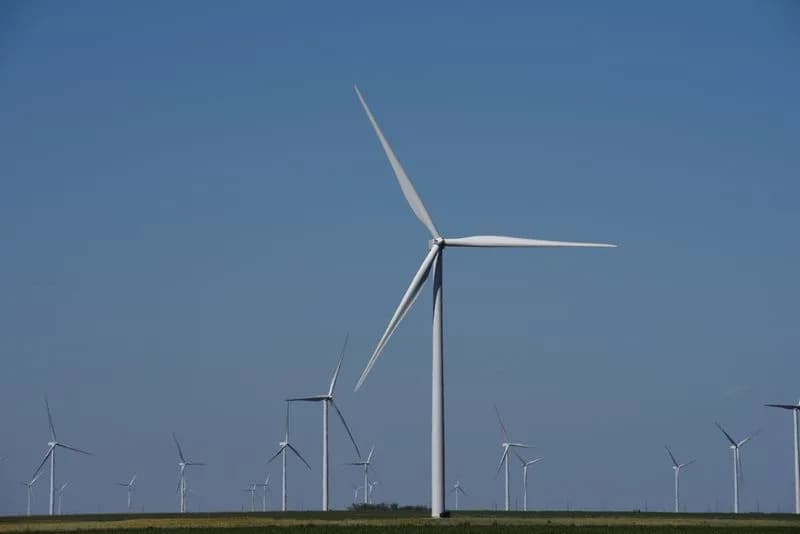
Wind turbines generate power on a farm near Throckmorton, Texas U.S. August 24, 2018. REUTERS/Nick Oxford
The U.S. Senate is closing in on a bipartisan agreement to overhaul permitting rules for large infrastructure projects after the White House softened its position on how renewable energy developments would be treated. A senior Senate Democrat said the measure could move forward soon, though a final vote may be delayed until after the midterm elections because the House is in recess.
Senators Sheldon Whitehouse and Martin Heinrich, the lead Democrats on the Environment and Public Works Committee, have spent months negotiating with Republican counterparts. Talks had stalled in December after the administration paused five nearly finished offshore wind projects on the East Coast.
Key Developments
Whitehouse said the administration has offered assurances that the bill will include clearer, improved treatment for wind and solar projects. He described the administration's movement as meaningful and said the remaining steps involve routine Senate procedure and additional clarification from the executive branch about how its commitments will be implemented.
"I appreciate very much what the administration has done to move in this direction," Whitehouse told reporters, adding that more clarity is needed on the promises for renewables.
White House spokesperson Taylor Rogers said the administration "is actively working to pass historic permitting reform to help improve energy infrastructure and lower costs." The White House statement framed the effort as a bipartisan push to modernize permitting rules while addressing energy needs and costs.
What’s Next
Lawmakers expect the broad parameters of the agreement to be translated into legislative language in the coming "days or hours," Whitehouse said, allowing other senators, industry groups and environmental organizations to review the draft. Because the House of Representatives is scheduled to be in recess until after the midterm elections, the timing of final congressional approval remains uncertain.
Democrats indicated they are prepared to consider updates to longstanding environmental statutes—such as the National Environmental Policy Act (NEPA) and provisions of the Clean Water Act—that Republicans argue can cause prolonged delays for major projects. At the same time, Democrats have pressed for accelerated construction of modern transmission lines to carry electricity from intermittent sources like wind and solar.
Major trade groups representing electric utilities, renewable energy companies and oil and gas interests have urged Congress to pass bipartisan permitting reform this year, saying it would speed critical projects and reduce costs across energy sectors.
Context: Under the Trump administration, several regulatory decisions affected the expansion of some clean energy projects, a dynamic that has shaped negotiations. The proposed permitting reforms aim to balance faster project delivery with environmental safeguards and clearer federal guidance for renewables.
Help us improve.