A WHO map of plague activity from 2019–2025 received renewed attention after Russian media reported a laboratory worker near Irkutsk died following an alleged accidental exposure. Local outlets described the case as pneumonic plague, the most transmissible form, but Russian authorities have not confirmed the cause or a lab accident. The WHO lists nearly 4,000 suspected or confirmed occurrences worldwide and notes plague occurs wherever the bacterium Yersinia pestis overlaps with human populations. Local responses in Irkutsk reportedly include quarantines, dozens of contacts isolated and an open criminal probe.
WHO Map Highlights Global Plague Cases As Suspected Lab Death Near Irkutsk Is Reported
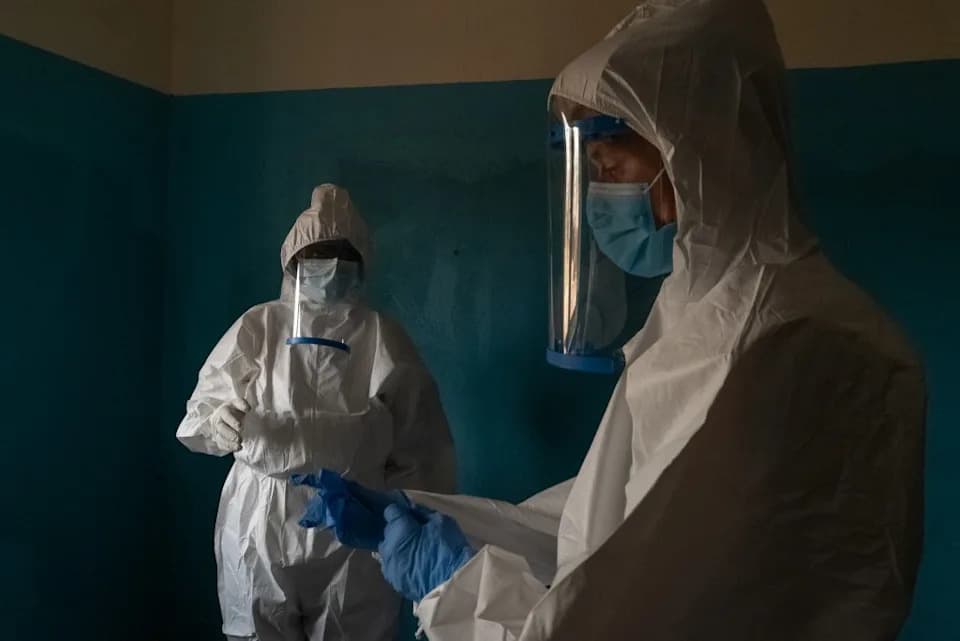
This image from February 26, 2021 shows a medical team in protective equipment in Ituri, Democratic Republic of Congo following an outbreak of the bubonic plague.
A World Health Organization (WHO) map that tracks plague activity over recent years drew renewed attention after Russian media reported a laboratory worker near Irkutsk died following an alleged accidental exposure to live bacteria.
Reported Incident Near Irkutsk
Multiple Russian outlets said a 28-year-old woman employed at a plague research institute in the town of Shelekhov told colleagues she had accidentally broken a test tube containing live bacteria while collecting samples. According to those reports she was hospitalized with severe pneumonia, placed on a ventilator and died two days later. Independent outlet People of Baikal named the worker as Daria Shipilova.
Official Status And Conflicting Accounts
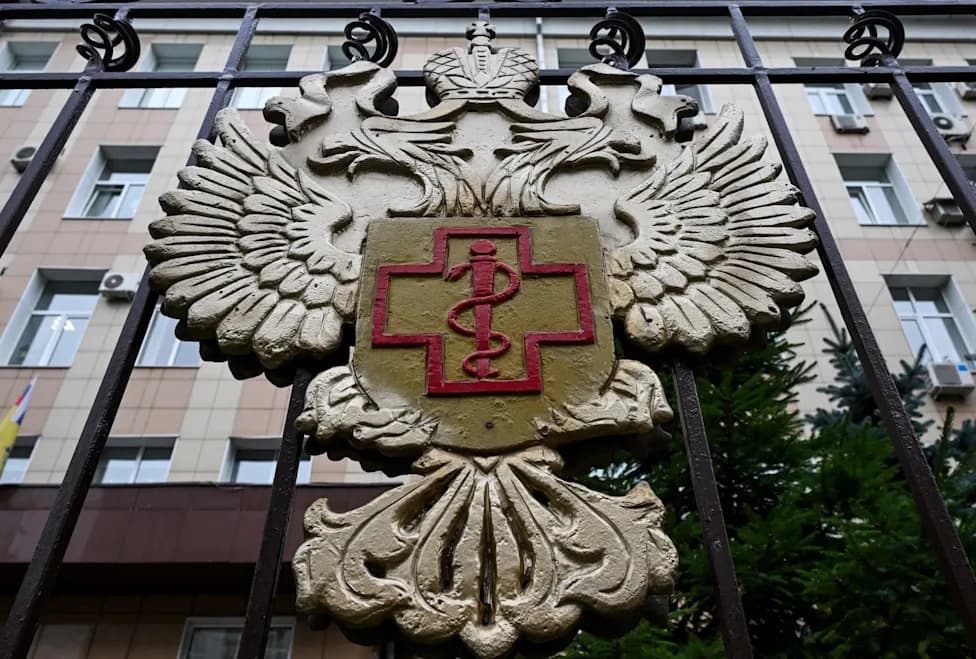
Russian health authorities, including Rospotrebnadzor, have not publicly confirmed that the death was caused by plague or that a laboratory incident occurred. Regional officials have offered conflicting details: the head of Buryatia, Alexei Tsydenov, denied the worker had visited his republic and said there were no outbreaks in Buryatia, while some local media sources reported the worker had recently returned from that region.
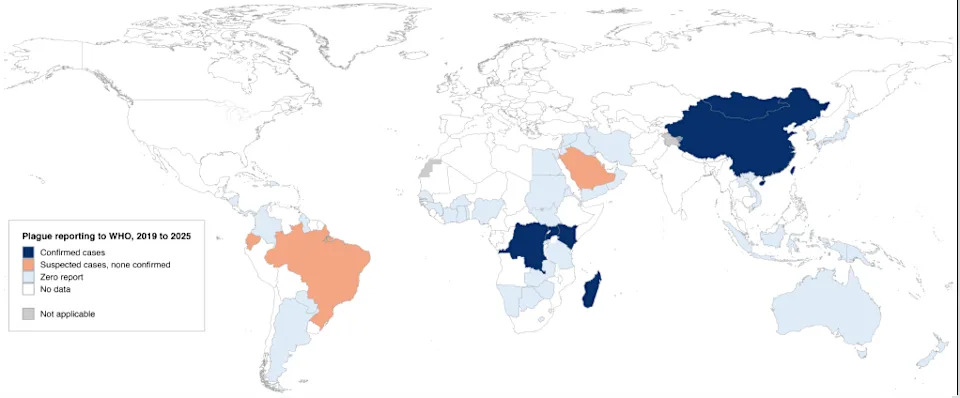
This map from the World Health Organization highlights countries which have reported plague cases between 2019 and 2025.
Local Measures And Investigations
Local reporting says authorities placed an estimated 197 people who may have had contact with the patient under medical isolation, with more than 100 reportedly monitored in hospital wards. At least four hospitals in the Irkutsk area were reported to be under quarantine and public events in Irkutsk were canceled. Police have opened a criminal investigation into possible health-safety violations. Some local employers, including the Irkutsk Aluminum Smelter, introduced temporary mask mandates as a precaution.
WHO Context And Global Picture
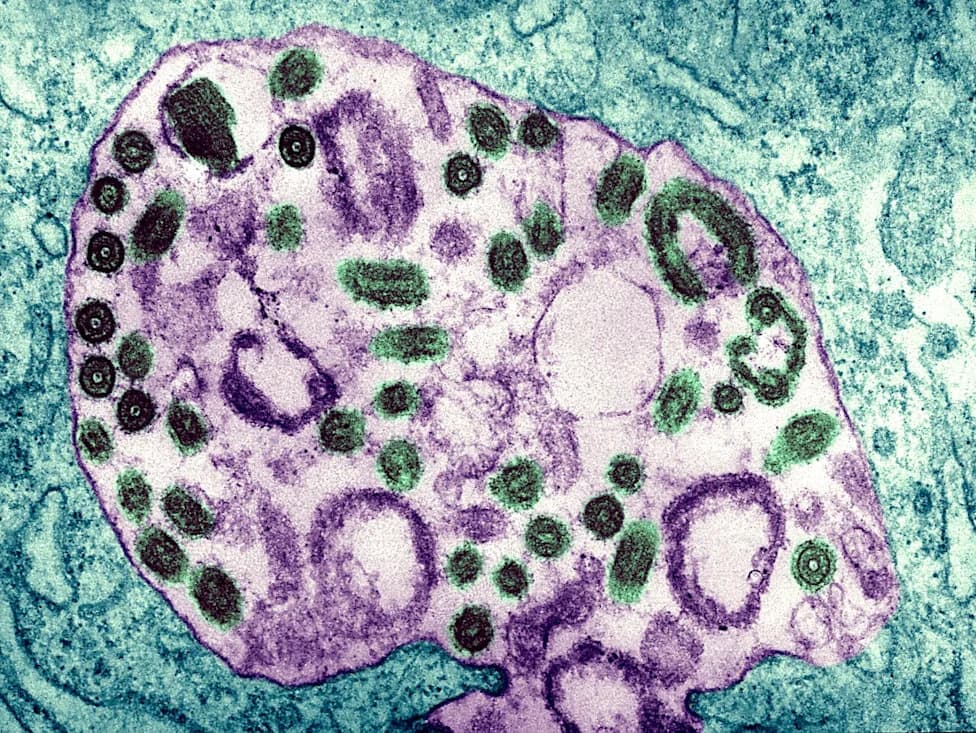
The WHO recognizes three primary clinical forms of plague: bubonic, pneumonic and septicaemic. Pneumonic plague — the lung-based form reported by local media in this case — is the most contagious form because it can spread between people via respiratory particles.
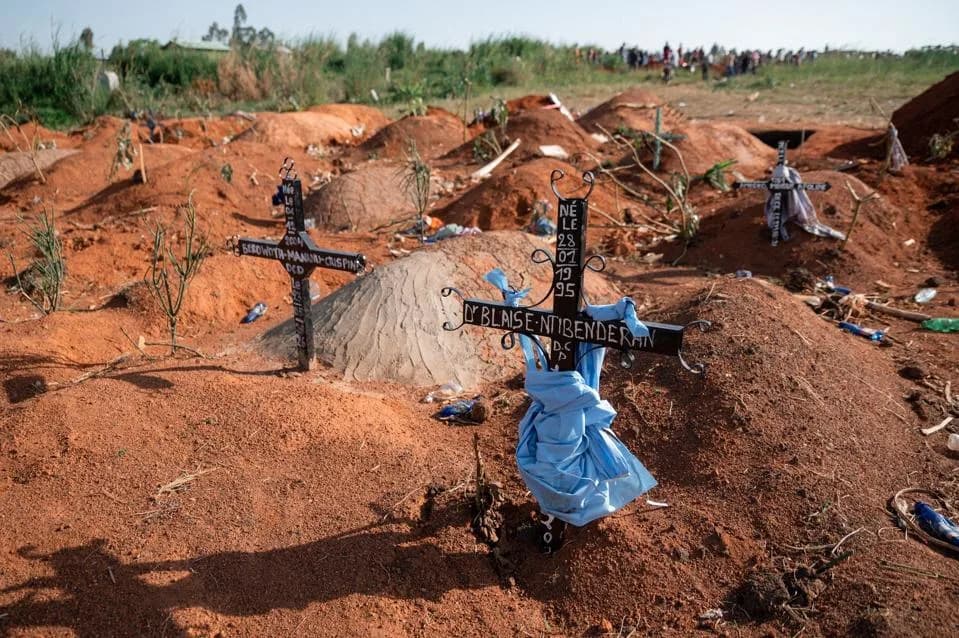
The WHO has published a map listing countries with suspected or confirmed plague cases between 2019 and 2025, documenting nearly 4,000 suspected occurrences. That map, last updated on September 29, highlights regions in Africa, Asia and South America where plague activity has been reported. The agency also notes plague is an animal disease found on every continent except Oceania wherever the bacterium Yersinia pestis coexists with people.
What We Know—and What Remains Unconfirmed
Key facts remain unverified by independent or official health agencies: the precise cause of death, confirmation of a laboratory accident and laboratory-confirmed Yersinia pestis infection. News organizations have contacted Rospotrebnadzor and the WHO for comment.
Why this matters: Plague remains a rare but serious infectious disease. When suspected cases emerge—especially of pneumonic plague—public-health precautions and clear, verified reporting are critical to prevent unnecessary alarm and to ensure rapid containment if there is a genuine public-health threat.
Help us improve.