Local reports say a 28-year-old lab technician, Darya Shipilova, died in Shelekhov after developing severe pneumonia, prompting nearly 200 people to be quarantined across the Irkutsk region. Authorities have described the situation as "stable" and later classified the death as "pneumonia of an undetermined origin," while independent outlets and residents allege a cover-up of a suspected pneumonic plague. Officials report contacts are under observation and tests so far are negative; an account that Shipilova was exposed by a broken test tube has been disputed by experts.
Allegations of Pneumonic Plague Cover-Up After Lab Technician's Death in Siberia

Ramil Sitdikov / REUTERS
Allegations have emerged that Russian authorities downplayed or concealed a suspected pneumonic plague case after a 28-year-old laboratory technician, Darya Shipilova, died in Shelekhov, Irkutsk region. Reports say nearly 200 people were placed under quarantine and several hospitals imposed restrictions while officials described the situation as "stable."

Putin visited an aviation facility in the Irkutsk region in July. / VYACHESLAV PROKOFYEV / POOL/AFP via Getty Images
What Happened
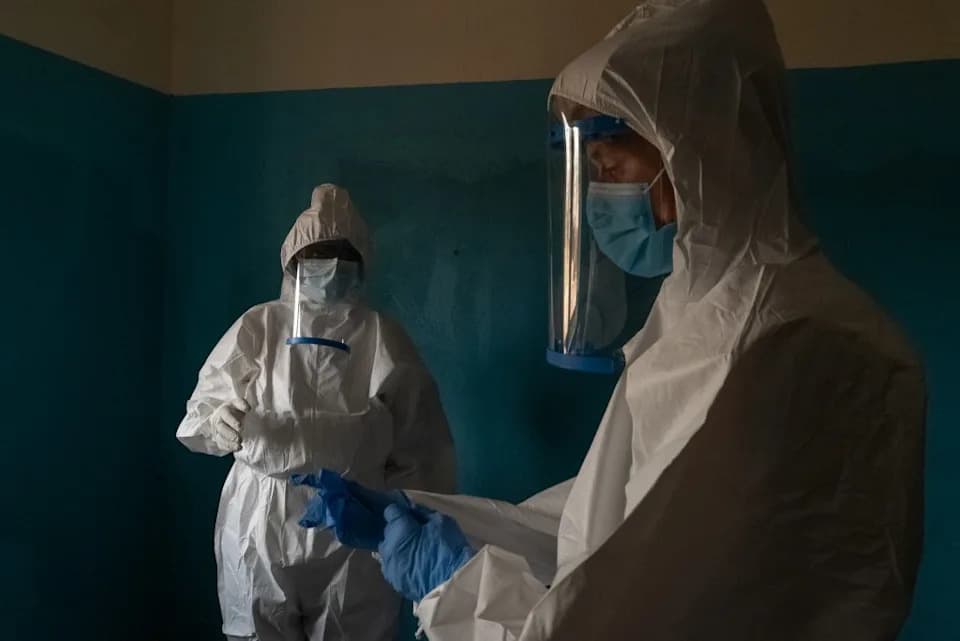
Local and independent outlets reported that Shipilova was admitted to Shelekhov Hospital with severe pneumonia symptoms and placed on a ventilator; she reportedly died two days later. The incident prompted quarantine measures at Shelekhov Hospital and other medical facilities in the Irkutsk region, and the Irkutsk Aluminum Smelter introduced a temporary mask mandate as a precaution.
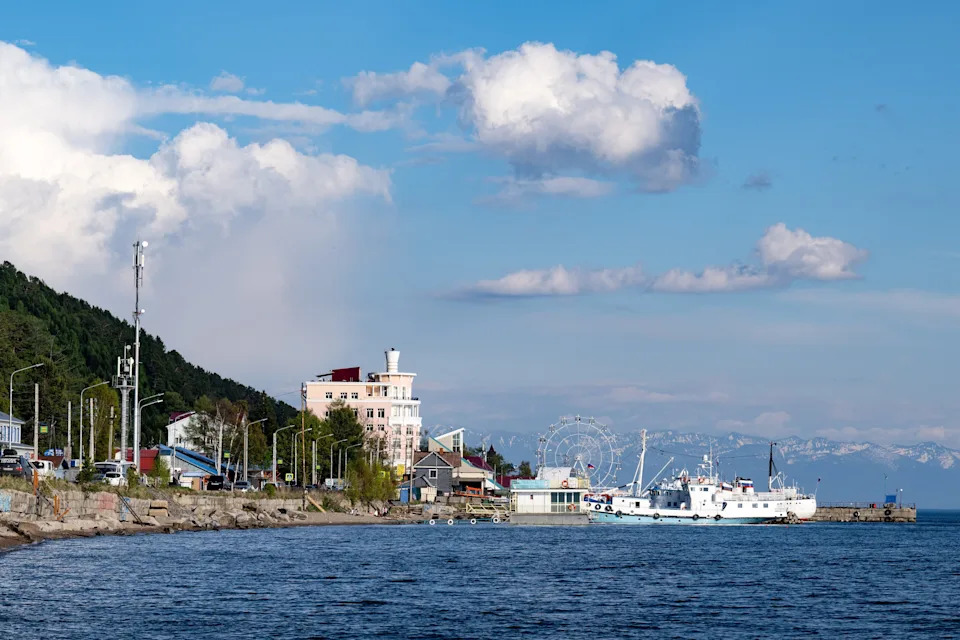
Lake Baikal is in the Irkutsk region in southern Siberia. / Xinhua News Agency / Xinhua News Agency via Getty Ima
Official Response
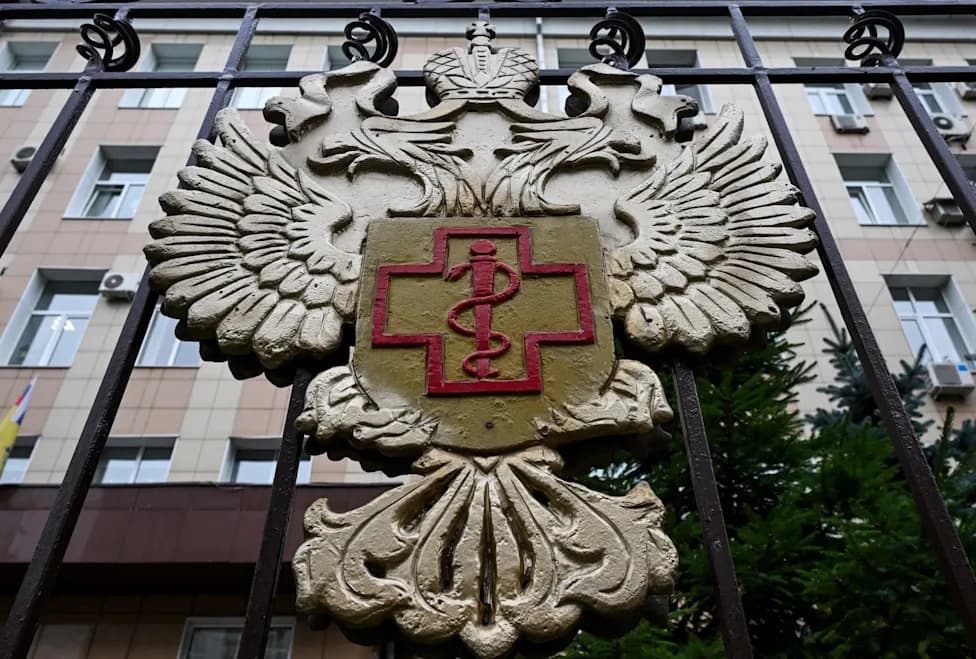
Federal and regional health authorities have walked back initial statements linking the death to pneumonic plague. The federal health watchdog later described the cause as "pneumonia of an undetermined origin," while regional governor Igor Kobzev called the illness a "dangerous infectious disease" but stopped short of confirming plague. Authorities say identified contacts are under medical observation and that laboratory test results for those contacts have been negative so far.

Troops under Ukraine's 3rd Army Corps have liberated five key settlements, in a headache for Putin. / Alexander Kazakov / via REUTERS
Local Claims and Independent Reporting
Residents and local outlets reported that doctors were "openly talking about the plague," and that at least one maternity clinic temporarily barred visitors citing infection concerns. A regional post advising residents to avoid travel to Shelekhov and nearby towns was reportedly posted and then removed by local officials.
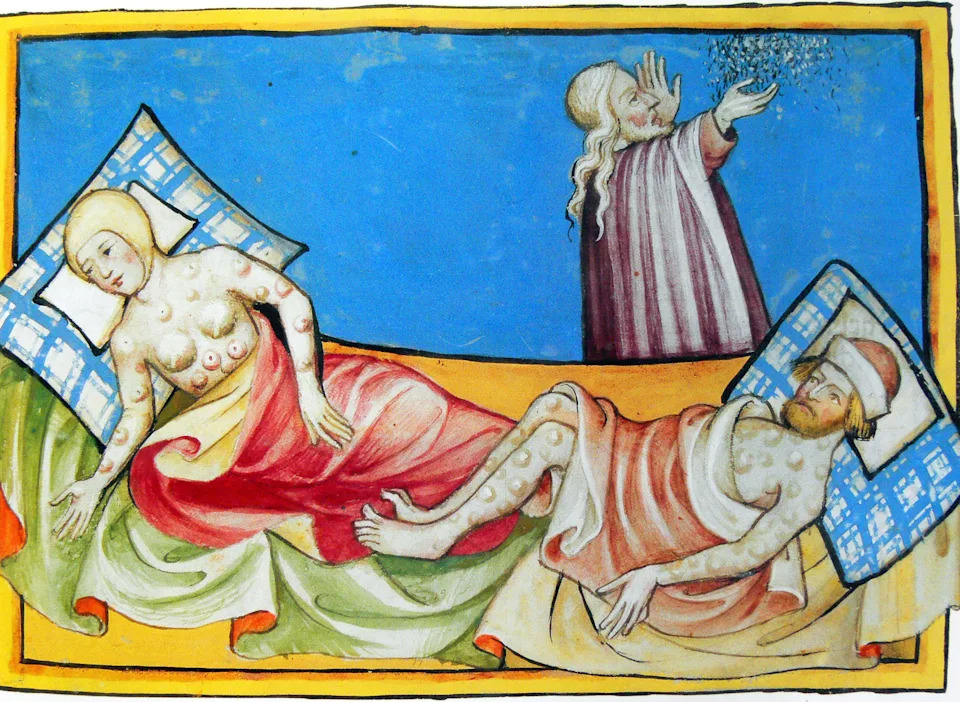
The 14th Century's Black Death pandemic wiped out 25 million people in Europe. / Pictures from History / Pictures From History/Universal
"If [federal health officials] said everything is fine, then why are the hospitals closing for quarantine?" one resident asked. "Unfortunately, they don't consider us human beings," another said.
Disputed Exposure Account
One local outlet said Shipilova may have been exposed after accidentally breaking a test tube containing live bacteria at an anti-plague institute on Sept. 25. That account was criticized by epidemiologist Mikhail Favorov, now based in the United States, who called the broken–test-tube explanation implausible given standard protective procedures at such facilities.
Medical Context
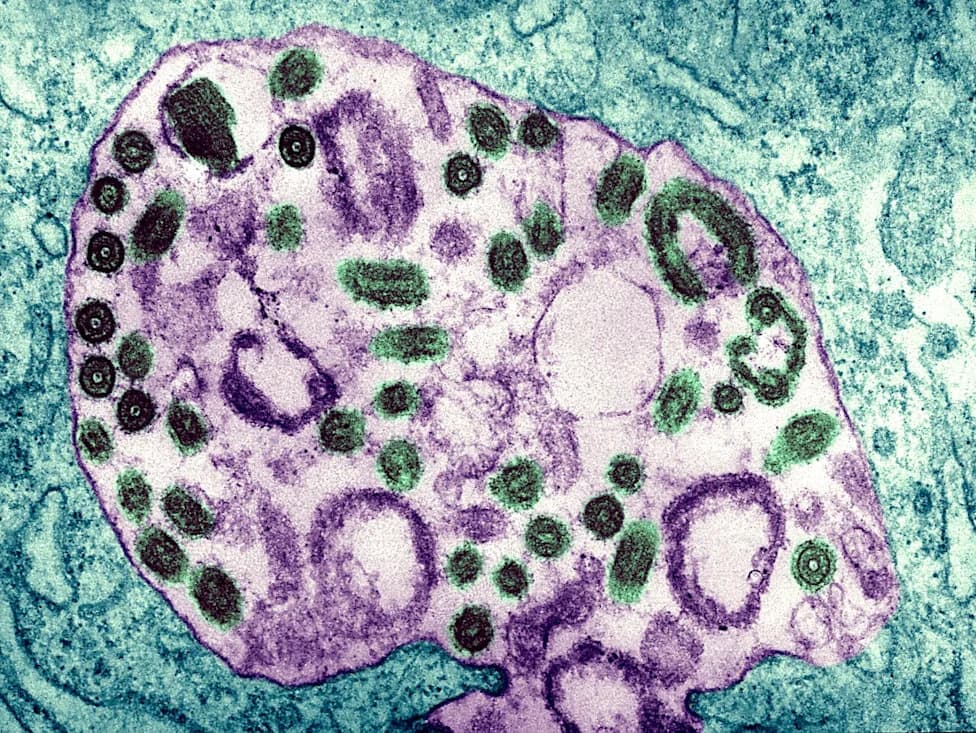
Plague can take three primary forms — bubonic, pneumonic, and septicemic. Pneumonic plague is the most dangerous form because it can spread between people via respiratory droplets. Symptoms can include fever, chills and respiratory distress; however, antibiotics are effective when started early.
Note: This report compiles claims from regional outlets and officials. Some details remain unconfirmed by independent international health authorities; the situation and official statements may evolve as more test results become available.
Help us improve.