U.S. and global health agencies are monitoring reports of a possible pneumonic plague death in Irkutsk, Russia; laboratory confirmation is pending. The deceased is reported to be 28‑year‑old lab technician Daria Shipilova. About 200 people in the region are under medical observation and several hospitals have been quarantined. The WHO says the general public risk appears low, and U.S. officials have offered assistance while urging calm and vigilance.
U.S. Monitoring Suspected Pneumonic Plague Death in Russia — 200 Under Observation, WHO Says Low Risk
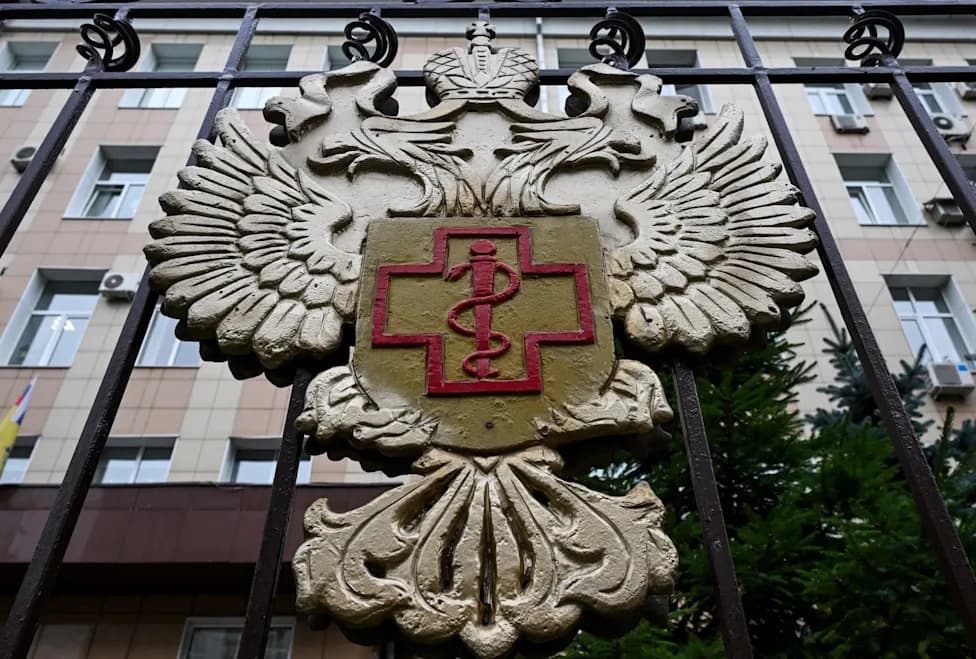
The logo of Russia's consumer and health watchdog Rospotrebnadzor sits on its grounds' fencing in Moscow on October 5, 2026. Russian officials on October 5, 2026 downplayed reports that a laboratory technician in Siberia had died of plague, insisting the situation was under control and that post-mortem tests had not found traces of the disease. Photo by Igor IVANKO / AFP via Getty Images
U.S. and international health authorities are closely monitoring reports of a death in Irkutsk, Russia, that may be linked to pneumonic plague. Laboratory confirmation of the cause of death is still pending, but Russian media and local reports identify the deceased as Daria Shipilova, a 28‑year‑old laboratory technician who worked at the Irkutsk Anti‑Plague Research Institute of Siberia and the Far East.
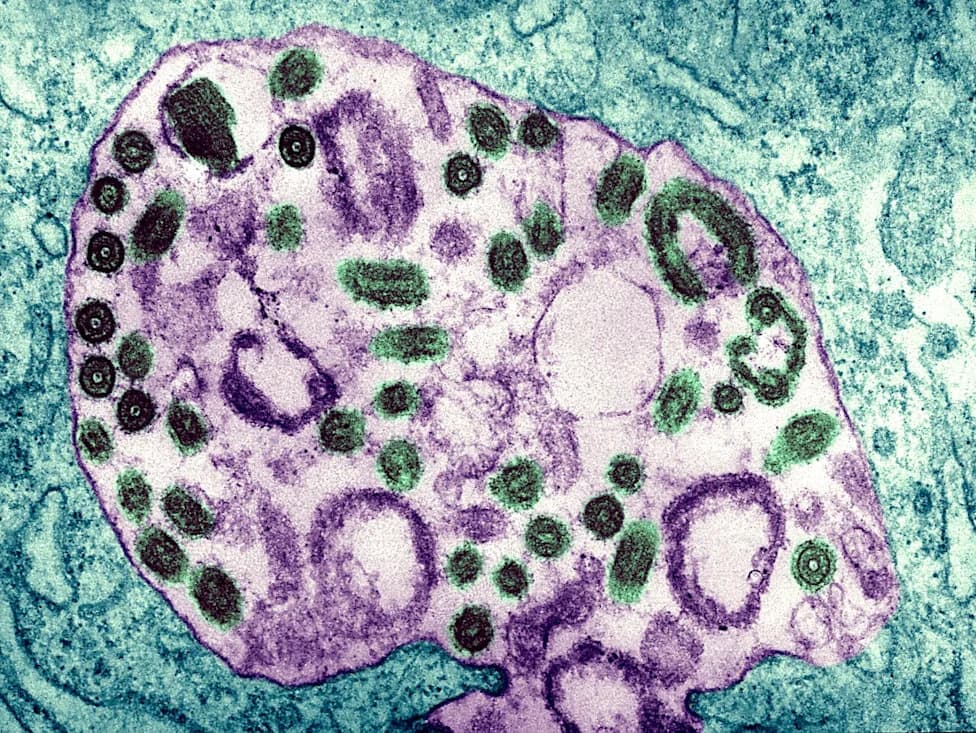
Pneumonic plague is a severe form of plague that affects the lungs and can be rapidly fatal if untreated; historically, untreated cases can approach a very high fatality rate. It also spreads person‑to‑person via respiratory droplets, which raises the potential for rapid local transmission. However, health officials emphasize that early antibiotic treatment is effective, and current information does not indicate an imminent global threat.
Because of the possible severity of the situation, roughly 200 people in the Irkutsk region have been placed under medical observation, and several hospitals in the area have been quarantined as a precautionary measure. Russian authorities are reported to be investigating the incident, and some outlets say intelligence personnel have become involved.
Multiple U.S. agencies — including the State Department, the Centers for Disease Control and Prevention (CDC), and the Administration for Strategic Preparedness and Response (ASPR) — are monitoring the reports alongside international bodies. Axios first reported the news as a scoop; experts note that heightened surveillance for any pathogen with serious public‑health or national‑security implications is standard practice.
"We don't have a lot of intel. It's in Siberia. Unless someone gets on a plane and gets to the U.S., it is low risk. We should be alert but not panicked," a U.S. health official told The Washington Post.
The World Health Organization said the "public health risk to the general population appears to be low" based on available information. President Donald Trump told reporters the U.S. was "looking at it very strongly," said he had not spoken with Russian President Vladimir Putin about the case, and offered U.S. assistance to help investigate and respond if needed.
At this stage, major unanswered questions remain: laboratory confirmation of the cause of death, the source of any exposure, and whether additional linked cases will emerge. Public health authorities stress vigilance, rapid testing, contact tracing, and early treatment as the best defenses against spread.
Help us improve.