A lab technician at the Irkutsk Anti-Plague Institute, Daria Shipilova, died on Oct. 2 of a suspected pneumonic plague infection. Nearly 200 people who had contact with her have been placed under medical observation; officials reported no symptoms and negative tests among contacts at the time of the statement. Authorities said Rospotrebnadzor is conducting anti-epidemic measures and investigations are ongoing. WHO notes pneumonic plague spreads via respiratory droplets and requires prompt diagnosis and antibiotic treatment to prevent fatalities.
Lab Technician Dies of Suspected Pneumonic Plague in Siberia; Nearly 200 Contacts Under Observation

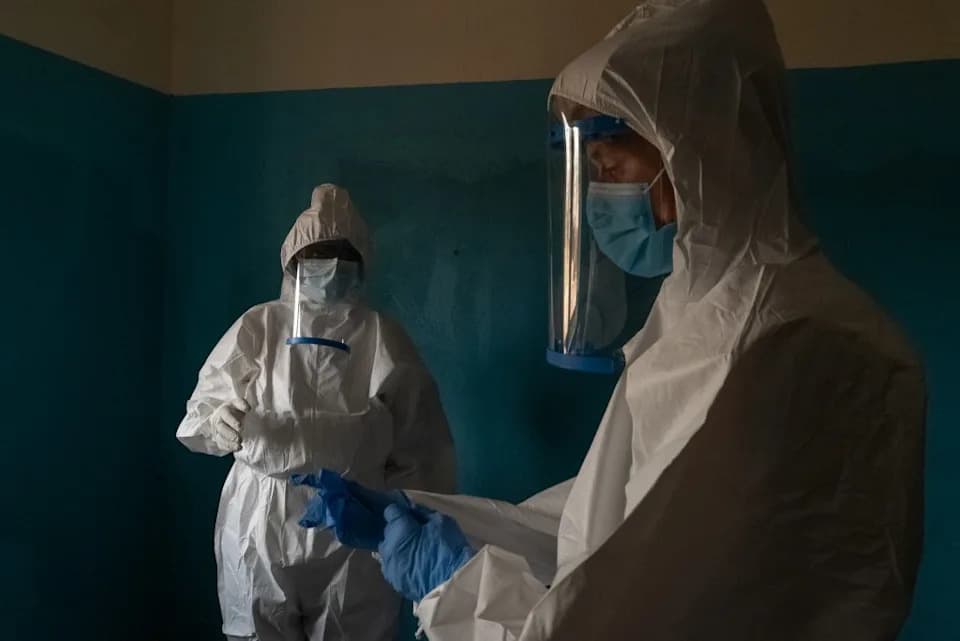
Person in hazmat suit (stock image)Credit: getty
A laboratory technician in her late 20s, identified as Daria Shipilova, died on Oct. 2 of a suspected pneumonic plague infection, regional authorities reported. Shipilova was employed by the Irkutsk Anti-Plague Institute in Siberia.
What Happened
Regional news outlets say Shipilova fell ill after either an incident involving a broken test tube containing the pneumonic plague pathogen at her workplace or after returning from a work trip to Buryatia in eastern Siberia; sources differ on the precise exposure. She was hospitalized at the Shelekhov District Hospital for three days before she died on Oct. 2. The hospital did not immediately respond to requests for comment.

The city of Irkutsk in Siberia, RussiaCredit: getty
Precautionary Measures
As a precaution, nearly 200 people who had known contact with Shipilova have been placed under medical observation. In a translated Telegram post, Irkutsk Governor Igor Kobzev said meetings were held regarding a resident who "may have contracted a particularly dangerous infection," and that Rospotrebnadzor, Russia's federal public health agency, "is carrying out a full range of anti-epidemic measures." Officials reported that the monitored contacts were not showing symptoms and that their laboratory tests were negative at the time of the statement.
Background on Plague
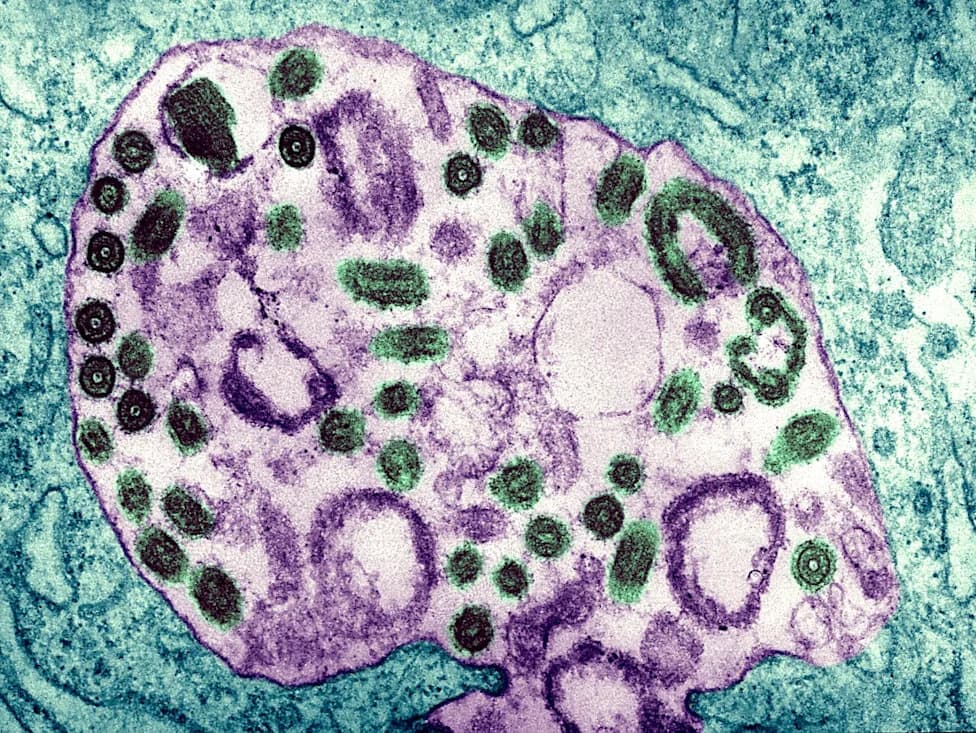
The plague is caused by the bacterium Yersinia pestis, which typically circulates among small mammals and their fleas. According to the World Health Organization (WHO), plague most commonly spreads through bites from infected fleas or through direct contact with infected bodily fluids or contaminated materials. Pneumonic plague affects the lungs and can be transmitted between people via respiratory droplets. WHO guidance notes that pneumonic plague can be fatal if not diagnosed and treated promptly, but it is treatable with appropriate antibiotics when identified early.
Ongoing Investigation
Authorities say investigations and anti-epidemic measures are ongoing. The Irkutsk regional office of Rospotrebnadzor and the Government of the Irkutsk Region had not immediately responded to external requests for comment. Further laboratory confirmation and official statements are expected as the investigation continues.
Note: This report reflects information available from regional Russian outlets and official statements at the time of publication. Some details remain unconfirmed.
Help us improve.