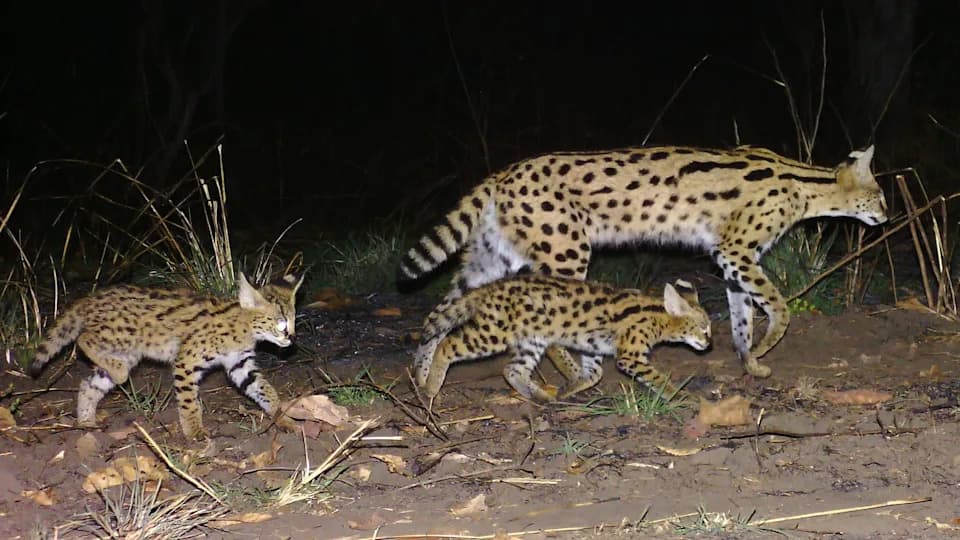
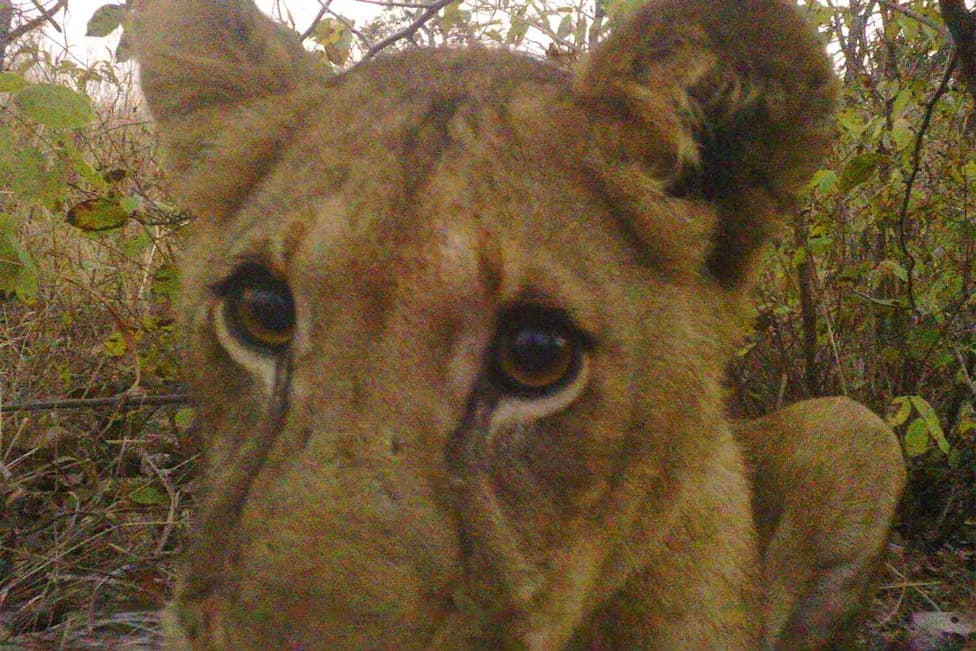
New GPS tracking overturns a classic image: a four-year study (2013–2017) of 17 lions and 14 spotted hyenas in Namibia and Botswana found hyenas consistently moved away from lions rather than trailing them. Analyses of 23 paired tracks — including ten mixed lion–hyena pairs — showed hyenas avoided lions even at 2–5 km, while three male lions sometimes approached hyenas. The findings suggest that fencing or concentrating resources could remove the spatial buffer hyenas rely on, raising conservation concerns.
Four Years of GPS Data Show Hyenas Avoid Lions — Not Shadow Them
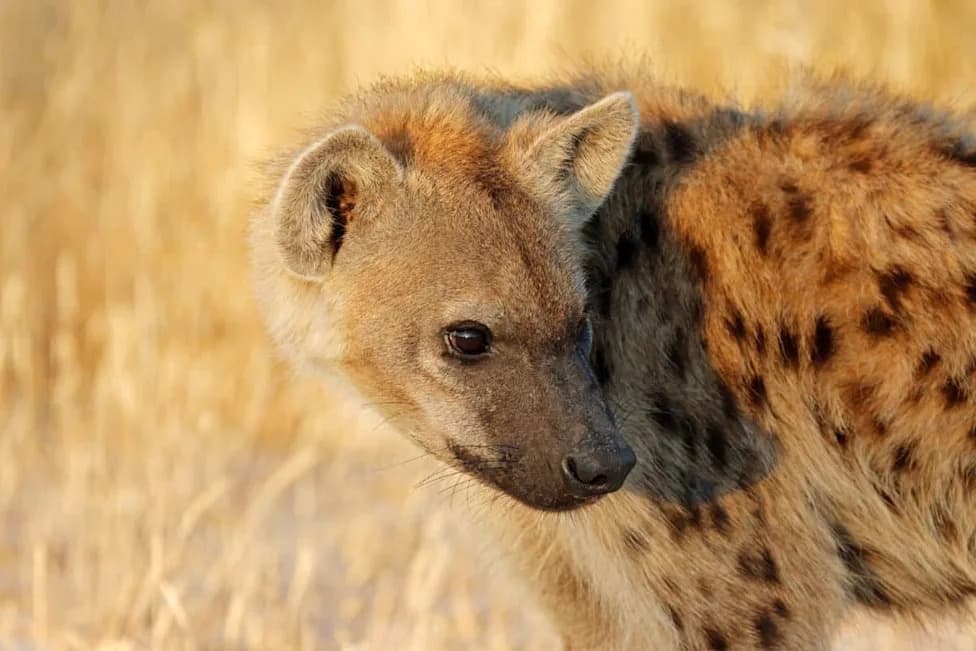
Hyenas Don't Follow Lions the Way Everyone Thought, 4 Years of GPS Data Show© Nico Smit/ via Canva.com
Long-held images of hyenas trailing lions to steal their kills are being rewritten by high-resolution GPS tracking from southern Africa. A four-year field study that began in 2013 paired simultaneous location data from collared lions and spotted hyenas to reveal which animals approached and which gave ground.
Study Design and Methods
Researchers from the University of KwaZulu-Natal fitted 17 lions and 14 spotted hyenas with GPS collars that recorded positions every five minutes during the animals' most active nighttime hours. The study focused on two contrasting landscapes: Etosha National Park in Namibia (about 22,000 km² of semi-arid habitat) and the Chobe–Linyanti region of Botswana near Kalahari floodplains. Field teams spent months verifying pride and clan membership so movement data could be interpreted within accurate social and territorial contexts.
Key Findings
Hyenas Keep Their Distance. Across 23 paired tracks (including ten mixed lion–hyena pairings), hyenas overwhelmingly moved away from lions. In four of the ten mixed pairs observed while within 10 km of each other, hyenas showed a statistically significant pattern of retreat. No tracked hyena approached a lion more often than expected by chance.
Avoidance Holds at Middle Ranges. The tendency for hyenas to withdraw persisted even at intermediate separations: at distances of 2–5 km, every tracked hyena maintained distance from nearby lions. The pattern was consistent across the spatial scales analyzed.
Male Lions More Likely To Approach. Behavior differed by sex and role: the three male lions in the dataset approached hyenas more often than other individuals and in some cases appeared to actively track them, a behavior confirmed by midnight field observations. Female lions were generally neutral, with responses shaped by pride social dynamics.
Social Spacing and Coordination. Breeding lion pairs often moved in close coordination (males pursuing while females remained very near, sometimes within ~15 meters). Hyena clans maintained strict spacing among themselves and did not approach other clans within one kilometer under the observed conditions; this separation held throughout the four-year study.
Sample Size And Statistical Strength. Although only a limited number of individuals were involved in interspecies pairings (three hyenas and eight lions in the cross-species subset), the study matched thousands of simultaneous GPS fixes to detect consistent movement patterns that complement direct field observations.
Conservation Implications
These results matter for reserve design and management. Actions that reduce usable space for predators — such as full fencing or concentrating water and resources during drought — shrink the buffer hyenas use to avoid lions. Removing that buffer could increase hyena vulnerability, particularly in fully fenced systems like Etosha.
Conclusion
High-frequency GPS tracking has not only answered whether hyenas follow lions but reframed how we understand spatial coexistence among Africa's large predators. The study shows that distance — and the ability to maintain it — is a key coexistence strategy for hyenas, with important consequences for conservation planning.
Help us improve.