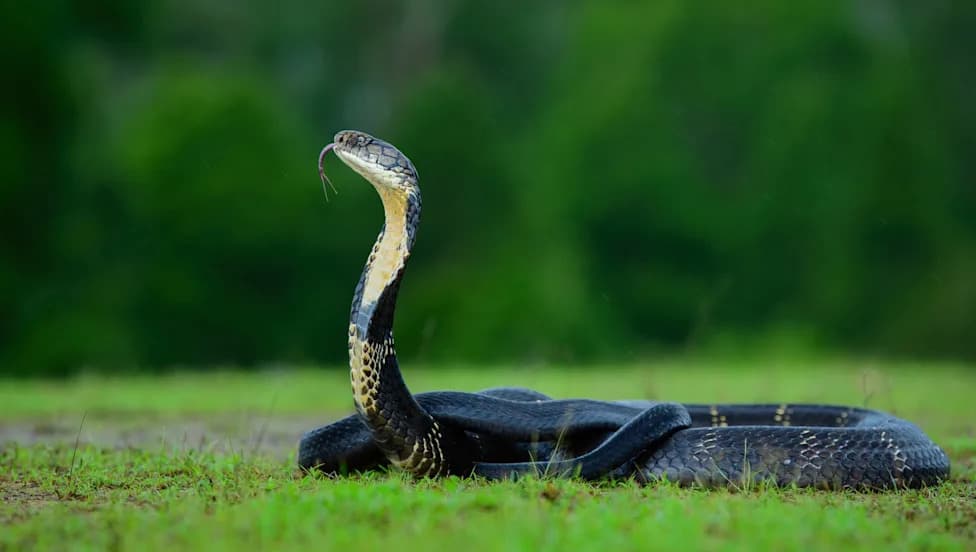
At least 32 children6,200 patients and an emergency MR vaccination drive reached roughly 27,000 of an estimated 40,000 children. Investigations detected measles in six of 10 samples; authorities say the outbreak has since subsided but warn underlying nutrition and service delivery gaps remain.
Children Dying in India’s Remote Tribal Heartland: Measles, Malaria, Malnutrition and Barriers to Care
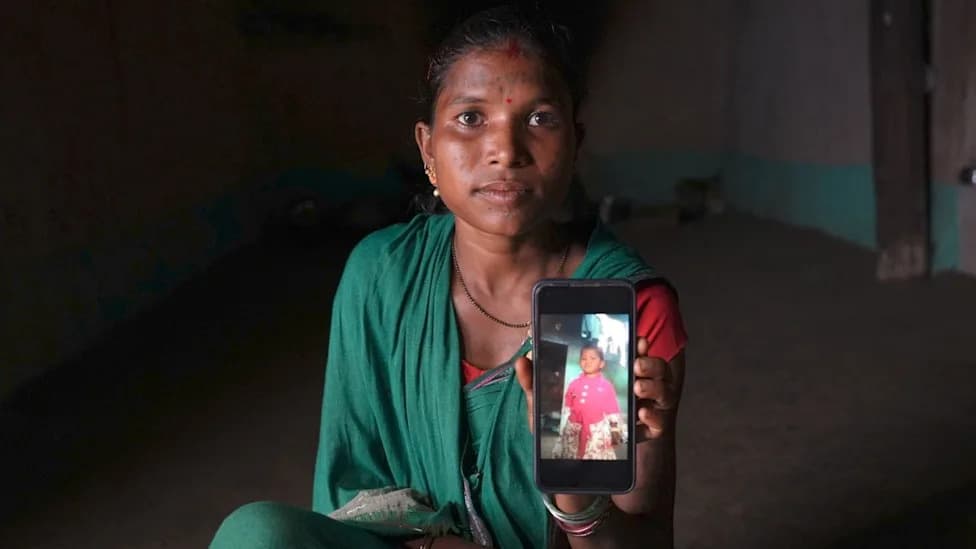
Koushila Markam holds a photograph of her daughter, Bamita, who died aged three [Anahita Sachdev/BBC]
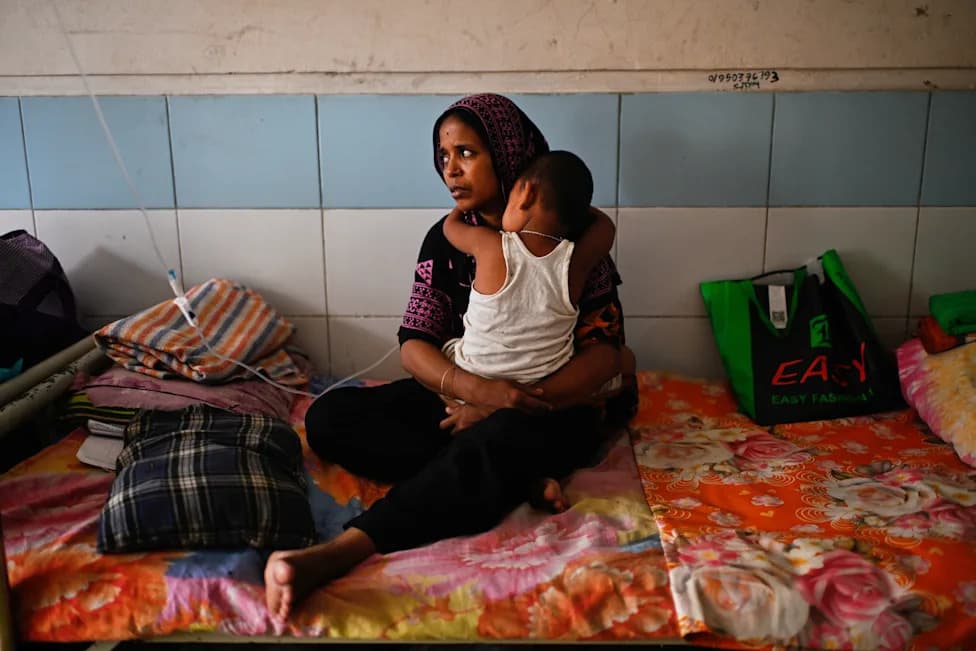
At about 3am one morning in May, three-year-old Bamita Markam began having violent convulsions. She had spent days with a high fever and angry red sores across her body. Her mother, Koushila, first sought help from a local doctor who prescribed an ointment; a visiting faith healer later gave syrups and tablets. By dawn Bamita had died.
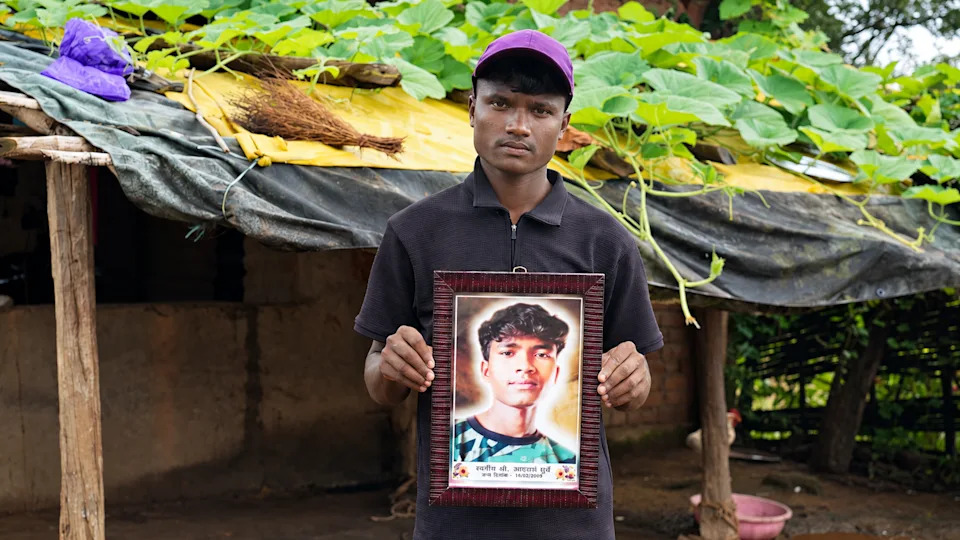
Atilal Dhurwey holds a framed photograph of his 17-year-old brother Rooplal, who died in June. Rooplal died days after developing a fever and rash. [Anahita Sachdev/BBC]
Bamita was one of at least 32 children who have died since May across a cluster of remote villages in Balaghat district, Madhya Pradesh, officials say. Victims ranged from infants of three or four months to an 18-year-old; most belonged to the Baiga, one of India’s 75 designated particularly vulnerable tribal groups.
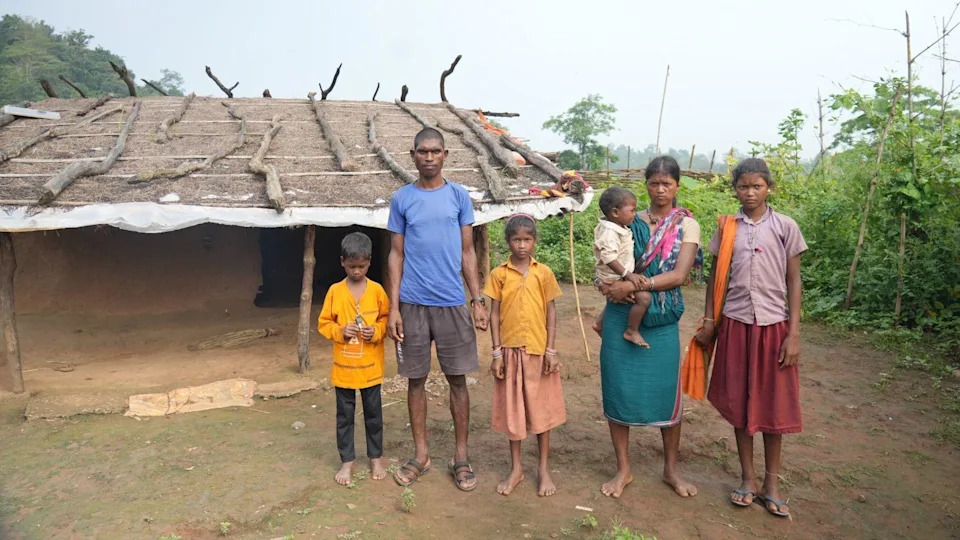
Behru Markam lives with his wife and four children in a mud hut. His daughter, Preeti, died of a suspected measles attack. [Anahita Sachdev/BBC]
Symptoms, Causes And Compounding Vulnerabilities
Local health teams and investigators attribute many deaths to a combination of measles and malaria, worsened by severe malnutrition, delayed treatment and secondary infections. The ICMR-National Institute for Tribal Health Research (NIRTH) tested 10 samples on 7 August; six were positive for measles and four were negative.
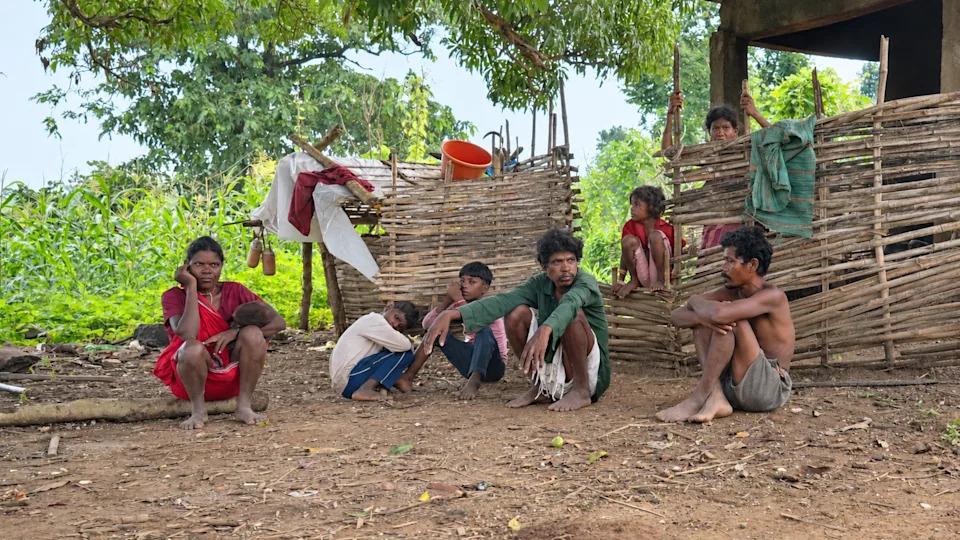
The Dhurwey family home in Bondari village is nearly 2km uphill from the nearest road [Anahita Sachdev/BBC]
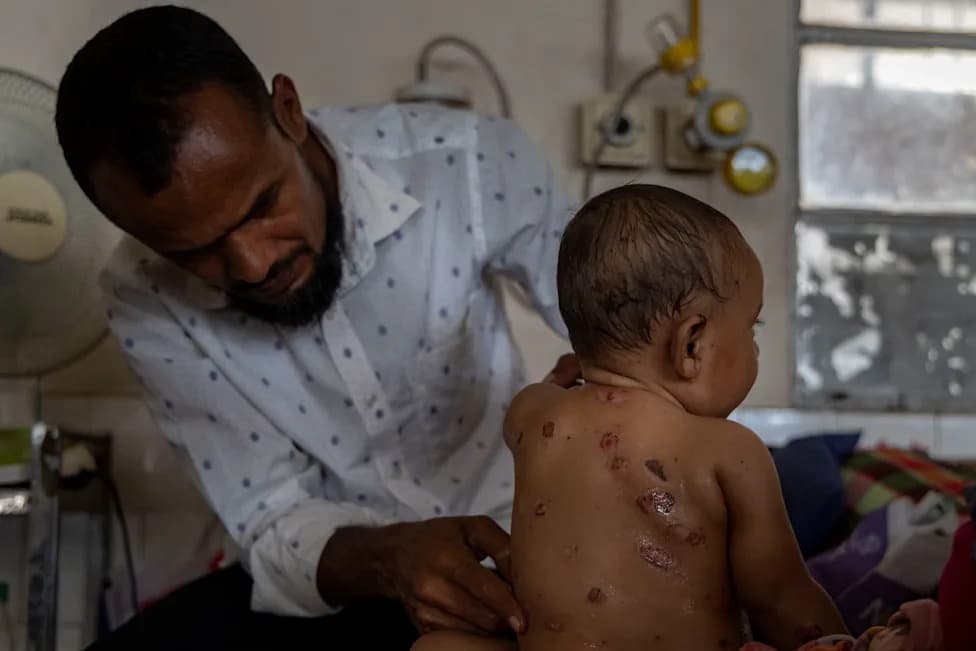
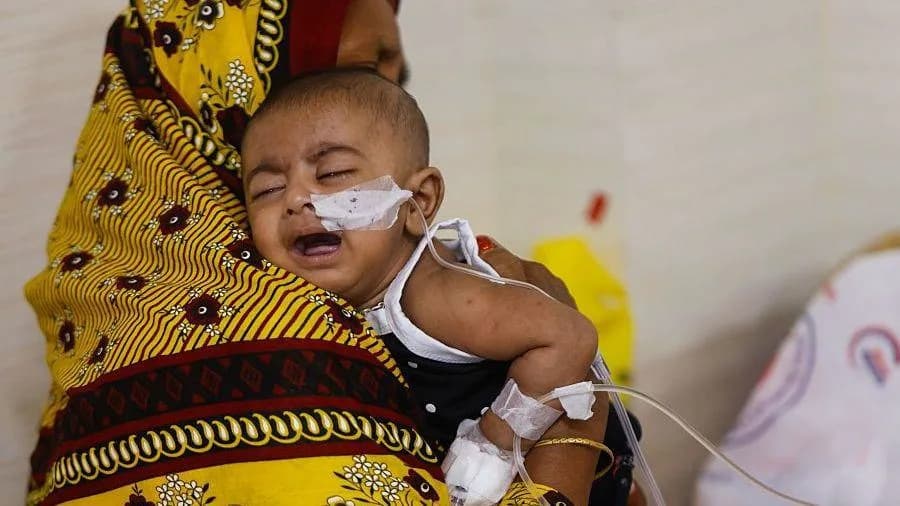
Typical presentations included high fever, rash, weakness, dehydration and, in some cases, seizures. Many children also showed scabies, fungal or bacterial skin infections. Doctors warned there was rarely a single cause: measles can weaken the immune system and make children more vulnerable to pneumonia, diarrhoea and other infections, while endemic malaria and poor nutrition amplified risks.
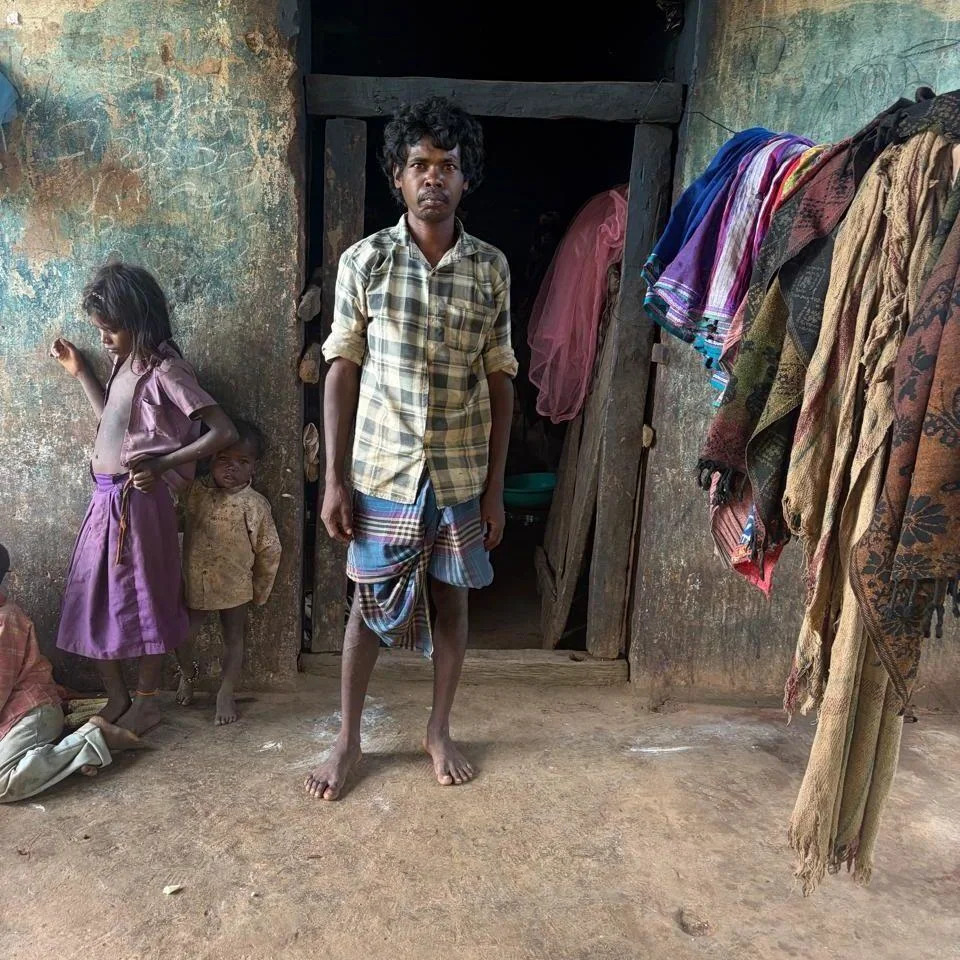
Mahasingh Parte, who lives in Matla village, lost two children within two days of each other [Soutik Biswas/BBC]
Access Barriers And Local Beliefs
Geography and poverty greatly limited access to care. Many Baiga homes sit in forested, hilly terrain reached by narrow dirt tracks that become impassable in the monsoon. The nearest state hospital—a 100-bed facility in Birsa—is roughly 70km away. For families without vehicles, transport can mean a bamboo stretcher, a motorcycle or a lost day’s wages.
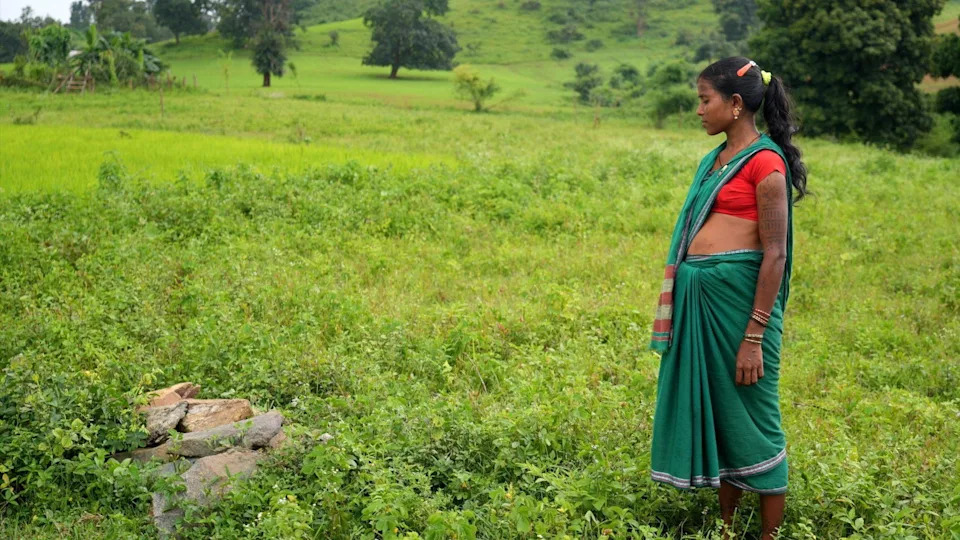
Koushila Markam visits the grave of her three-year-old daughter, Bamita, marked by a pile of large rocks beside a paddy field [Anahita Sachdev/BBC]
Local cultural beliefs also affected care-seeking. In some communities, illnesses such as chickenpox are interpreted as the arrival of a disease goddess ('Mata aa gayi') who must be appeased through multi-day rituals. Some families believe medical treatment before rituals conclude could cause death, delaying or preventing hospital care.
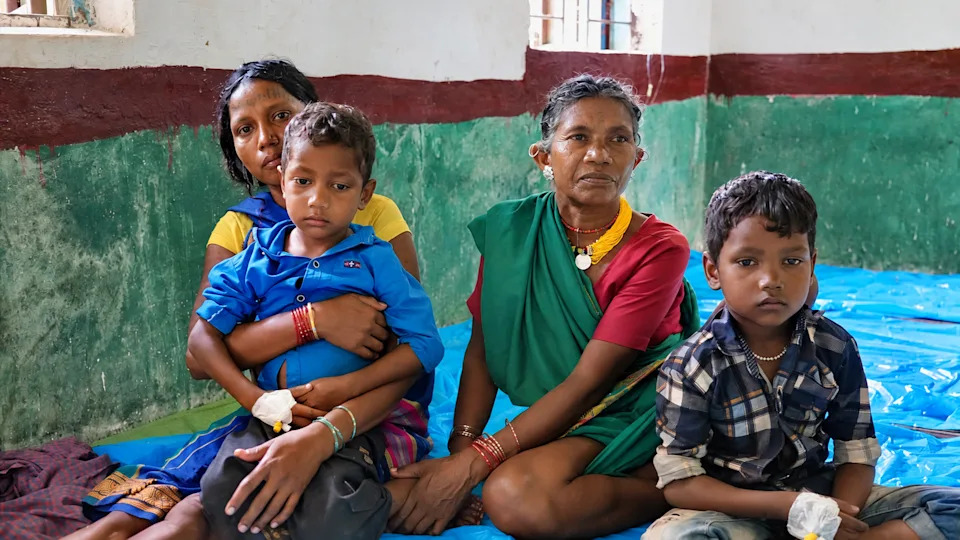
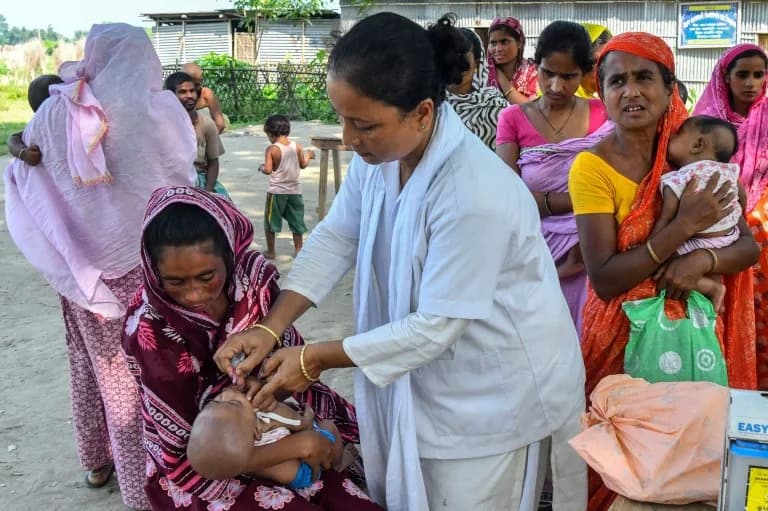
Sick children were brought to a health camp in Kondekasa village during the outbreak [Anahita Sachdeva/BBC]
Response: Medical Camps, Vaccination And Outreach
Once the scale of the outbreak became clear, authorities mounted a multi-pronged response: door-to-door screening, mobile medical units supplying oxygen, nebulisers, suction equipment, malaria tests and medicines, and referrals to district hospitals. According to local officials, mobile teams treated more than 6,200 patients—mostly children—and referred over 630 to hospitals, of whom roughly 30 remained admitted at the time of reporting.
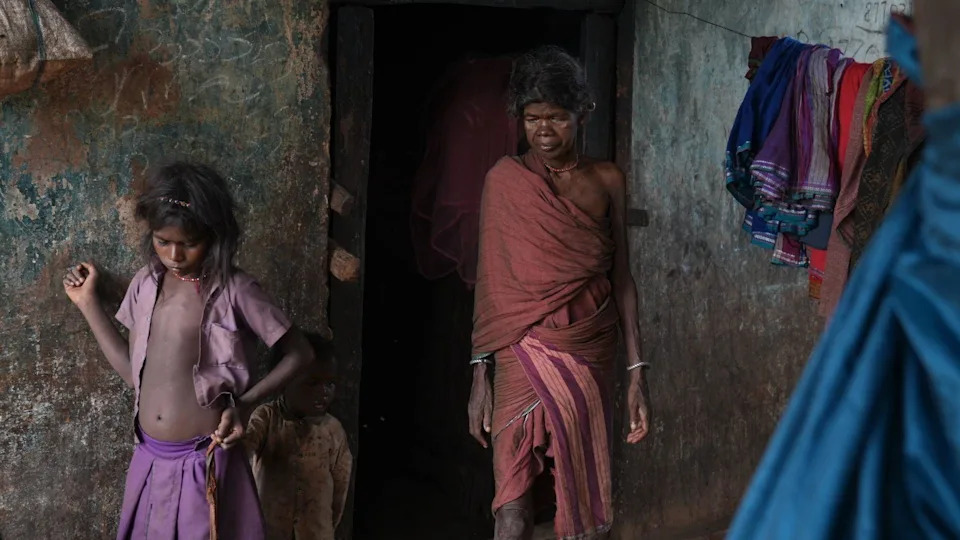
Malnutrition remains widespread among children in Balaghat's Baiga community [Anahita Sachdev]
An emergency vaccination drive offered the measles-rubella (MR) vaccine to all children under 15 regardless of prior records. Of an estimated 40,000 children identified in the Birsa area, about 27,000 were vaccinated. Officials reported the outbreak had eased by late September, with the last reported child death more than two weeks before their assessment.
Underlying Structural Problems
Health officials and researchers emphasise that vaccination alone cannot prevent future tragedies. Widespread malnutrition—driven in part by early marriage and motherhood, poor diets dominated by rice and lentils, and low uptake of welfare services—left many children extremely vulnerable. One recently reported five-year-old suspected to have died of measles weighed about 5kg.
A 2024 audit by India’s Comptroller and Auditor General found “serious irregularities” in the distribution of take-home rations intended for young children, pregnant women and lactating mothers in Madhya Pradesh, citing problems with beneficiary identification, production, transport and delivery.
Human Cost
Families continue to grieve. Koushila Markam recalls Bamita as a child who would ask for money for snacks, play with her sister and bolt indoors whenever a car approached. “If I was able to take her to hospital she might have lived,” she says. Her surviving daughter, Ankita, keeps asking about her sister and the household struggles on in the aftermath of loss.
“I have never seen an outbreak like this,” said Sanjay Uikey, a local representative. “My father was a two-term lawmaker, and I have served three terms, but neither of us has seen so many children die in such a short time.”
The outbreak highlights how infectious disease, entrenched poverty, cultural practices, weak nutrition and gaps in service delivery can collide—especially in remote, underserved communities. Continued medical outreach, improved nutrition programs, reliable distribution of welfare rations and culturally sensitive health education are key to preventing similar tragedies.
Help us improve.