Baroness Brown, chair of the Climate Change Committee, warns lives "will be lost" unless the UK significantly improves preparedness for rising wildfire risk after a record 2026 season. Officials recorded 1,350 wildfires in England and Wales this year; the government has pledged nearly £100m, including £97m for six specialist teams. Fire chiefs and unions say cuts to firefighter numbers and gaps in aerial capability leave the UK vulnerable, while experts call for landscape planning, public education and sustained investment.
Lives 'Will Be Lost' Unless UK Steps Up Wildfire Response, CCC Chair Warns
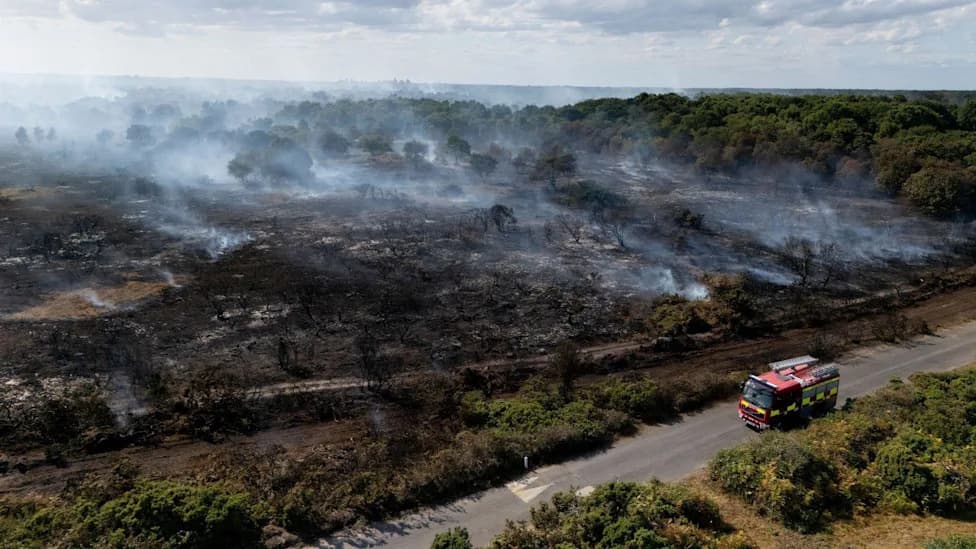
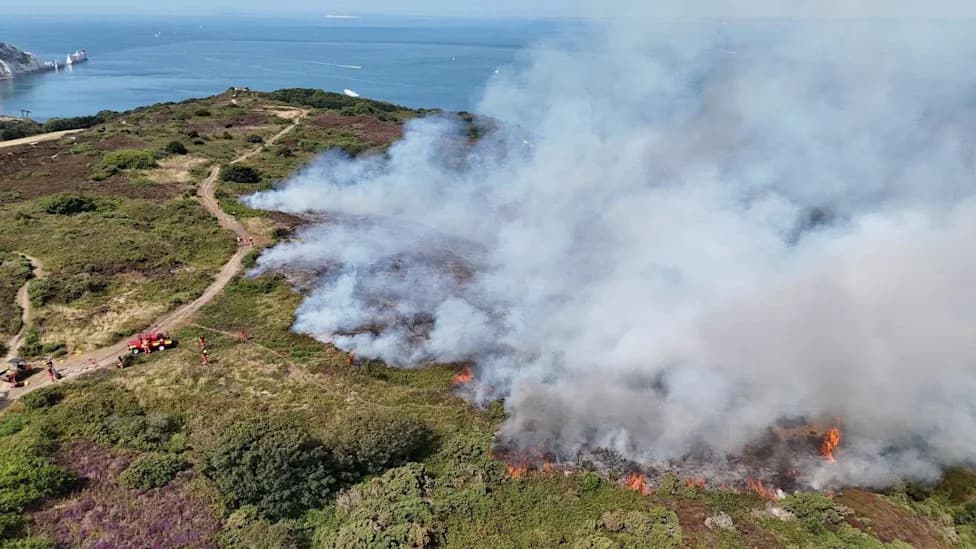
The aftermath of a wildfire in Dunwich Heath, Suffolk, during the summer [EPA/Shutterstock]
The chairwoman of the UK's Climate Change Committee (CCC), Baroness Brown, has warned that lives "will be lost" unless the UK takes far stronger action to tackle an escalating wildfire threat after a record summer of blazes.
Baroness Brown told BBC File On 4 Investigates that despite repeated projections of longer, drier summers driven by global warming, "not enough action" has been taken to prepare communities, infrastructure and emergency services for the changing climate.
Data obtained by the programme from the National Fire Chiefs Council shows 2026 set a new all-time high with 1,350 wildfires in England and Wales — more than 300 higher than last year and over 1,000 above the 2024 total. Records were also broken in 2022 and 2025.
[BBC]
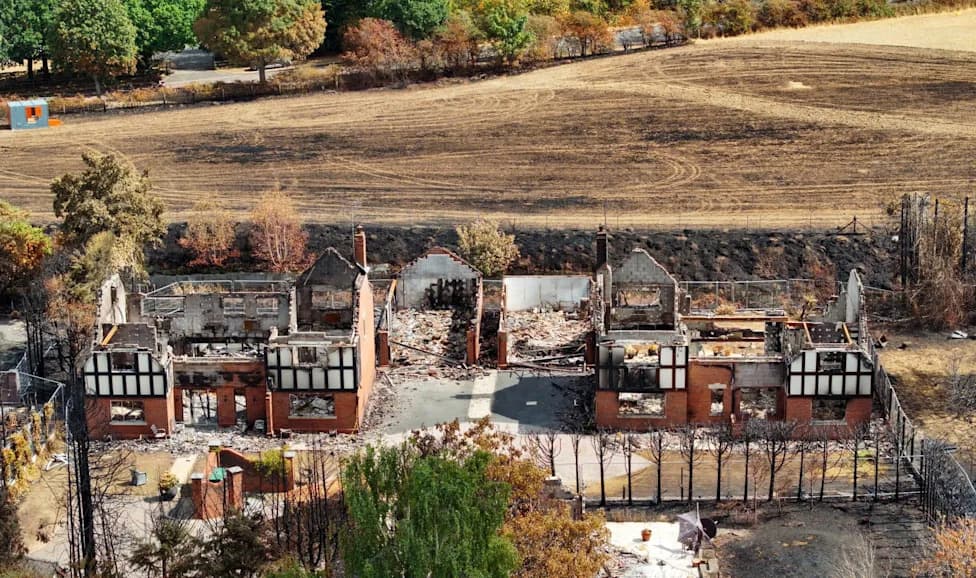
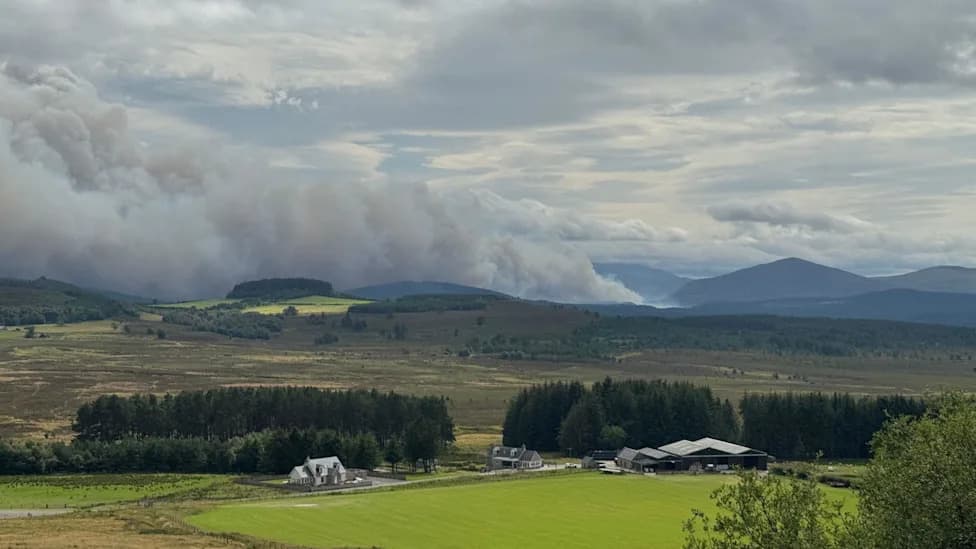
Earlier this year a man died in a wildfire in Gloucestershire; 19 homes were destroyed in Stourbridge, near Birmingham; and residents were evacuated in the Cairngorms after fast-moving fires. In Stourbridge, investigators say the blaze began accidentally in fields where farming machinery was operating on the hottest day of the year.
The government has said it will invest nearly £100 million to strengthen national resilience, specifying a £97 million package intended to fund six specialist firefighting teams and state-of-the-art equipment, including dedicated off-road vehicles. Ministers describe this as the biggest upgrade to national resilience in two decades.
But fire service leaders and unions say that funding and short-term measures are not enough. Steve Wright, general secretary of the Fire Brigades Union, said more than a fifth of firefighter and control-room posts — roughly 12,000 jobs — have been cut since 2010, leaving crews overstretched during a punishing season. "When you have wildfires happening at the same time across the UK, there's just not enough firefighters on the ground to be able to deal with them," he said.

Uttam and Sandy Shiralkar are now living in temporary accommodation after losing their family home in a wildfire... [BBC]
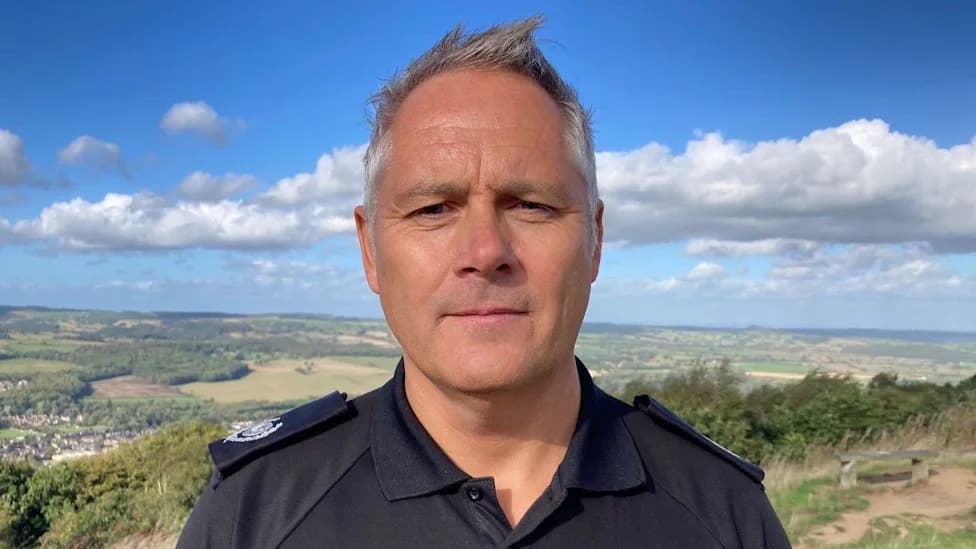
Phil Garrigan, chairman of the National Fire Chiefs Council, welcomed the £97 million commitment but urged further investment in aerial firefighting capability and specialist kit. "The money has to be there, otherwise we'll be going into 2027 and 2028 with a likely occurrence that we'll see what we've seen in 2026 — 50 plus homes lost and families devastated by the impacts of wildfire," he warned.
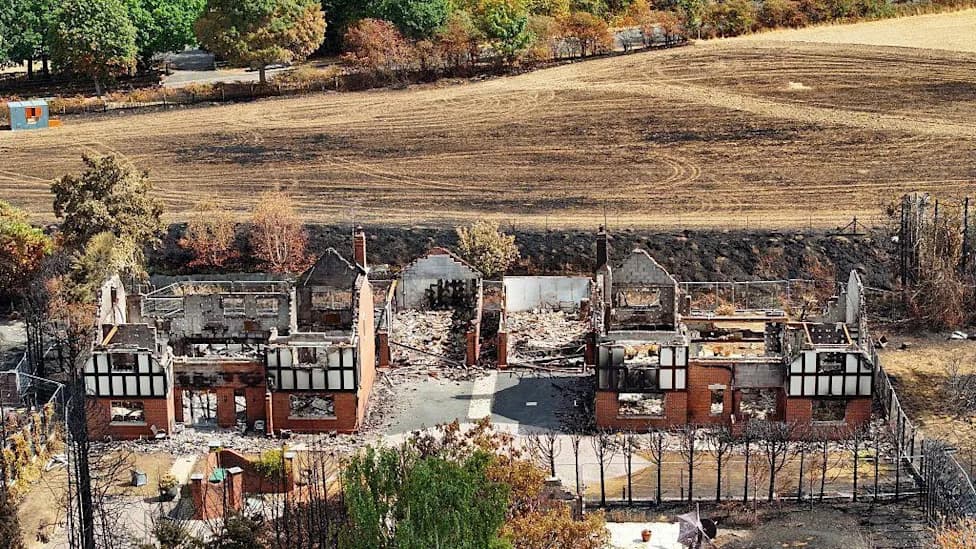
Families such as Uttam and Sandy Shiralkar are still coming to terms with losing their home in Stourbridge after it was overwhelmed by flames in August. Sandy, a surgeon, described returning to the property to find "the complete destruction of the house. There was no roof, no floorboards. Nothing. No-one should have this experience." The couple remain in temporary accommodation.
Why The Risk Is Growing
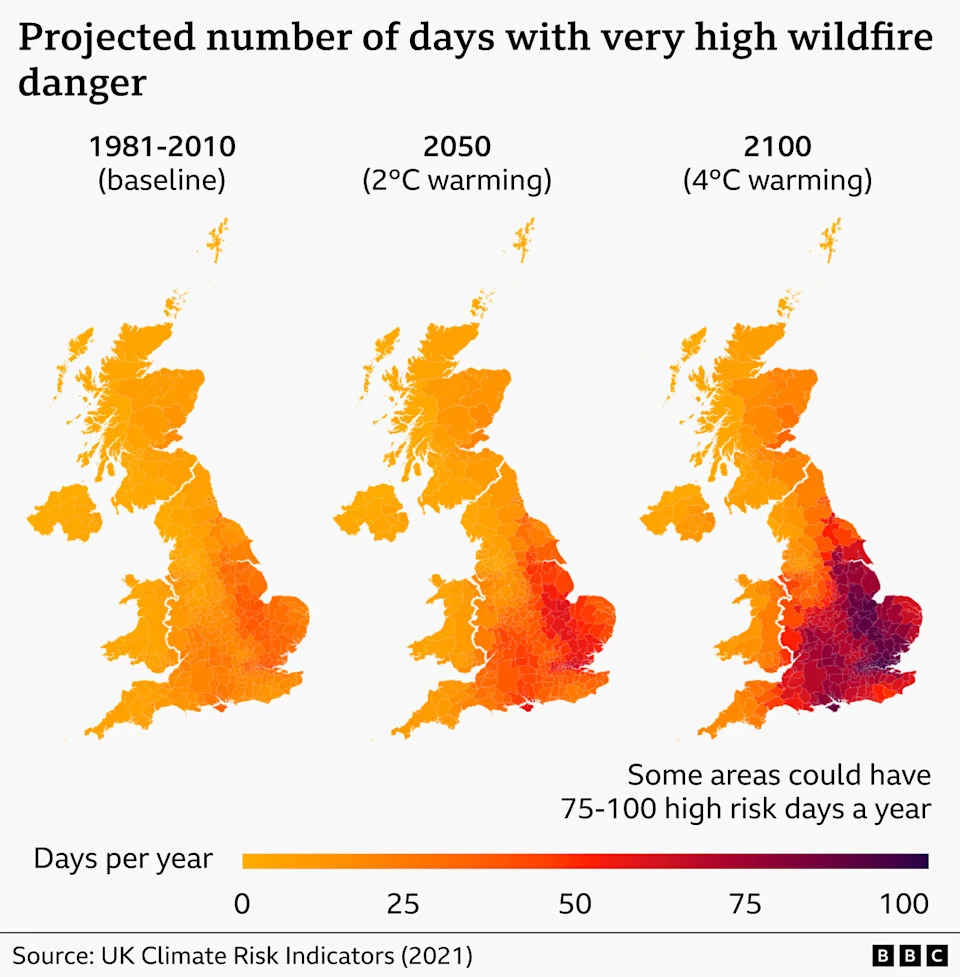
The CCC has been warning ministers since at least 2012 about the increasing frequency of wildfires under warmer, drier conditions. Baroness Brown said that, without improved preparedness and planning, the human cost will rise. She added that by 2050 wildfire risk could double across much of the UK if trends continue.
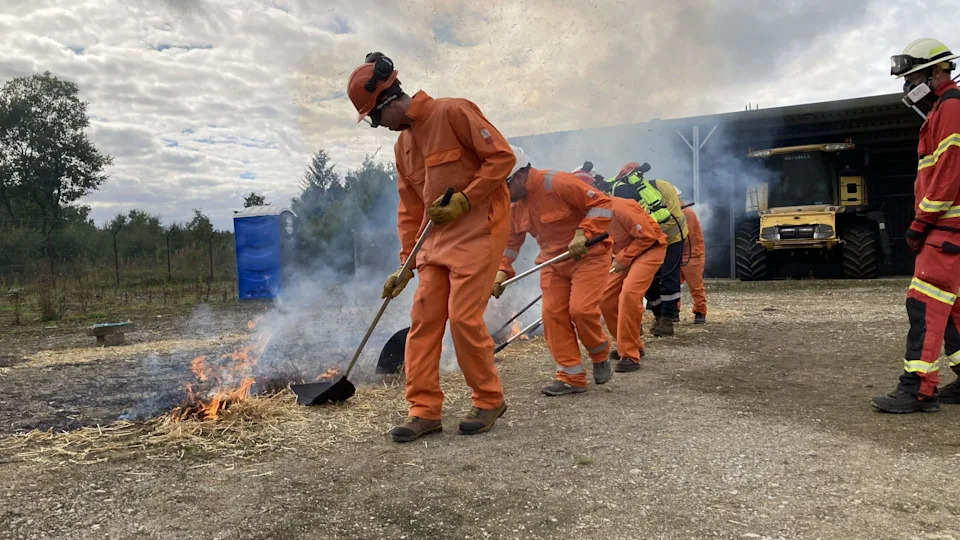
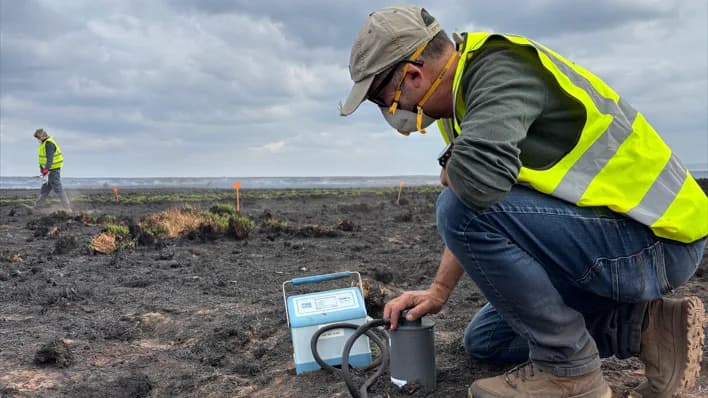
There are calls for more specialist training on how to tackle wildfires [BBC]
What Can Be Done
Experts and campaigners say a combination of measures is needed to reduce risk and improve response:
- Invest in specialist wildfire teams, equipment and aerial capabilities for rapid national response;
- Reverse cuts to firefighter and control-room staffing to ensure sufficient local capacity;
- Improve landscape and woodland planning (including firebreaks and fuel reduction) to limit fire spread;
- Expand early-warning systems, public education and community preparedness for hotter, drier summers;
- Support farmers and land managers with guidance to reduce accidental ignition risks during heatwaves.
Officials say the new funding will buy dedicated off-road vehicles and other modern kit, but senior fire officials stress that sustained, longer-term investment and national planning are required to avoid repeating the devastation witnessed in 2026.
"The warnings have been there and not enough action has been taken. I fear that lives will be lost. We need to be doing much more education and preparation," Baroness Brown said.
Further reading: independent CCC assessments and National Fire Chiefs Council reports offer detailed recommendations on preparedness, landscape management and resourcing to address the growing wildfire risk.
Help us improve.