Prime Minister Andy Burnham has dropped plans to expand judge-alone trials for offences likely to attract under three-year sentences after strong opposition from lawyers, politicians and the public. The Ministry of Justice had proposed reserving judge-alone hearings mainly for complex fraud and financial cases while moving many mid-level matters to magistrates. Justice Secretary Alex Norris reversed the policy, stressing a continued commitment to reducing a court backlog of nearly 81,000 cases. Legal bodies welcomed the decision but warned that shifting large numbers of cases to magistrates could create capacity and fairness problems.
Prime Minister Burnham Abandons Controversial Plans To Curb Jury Trials After Backlash
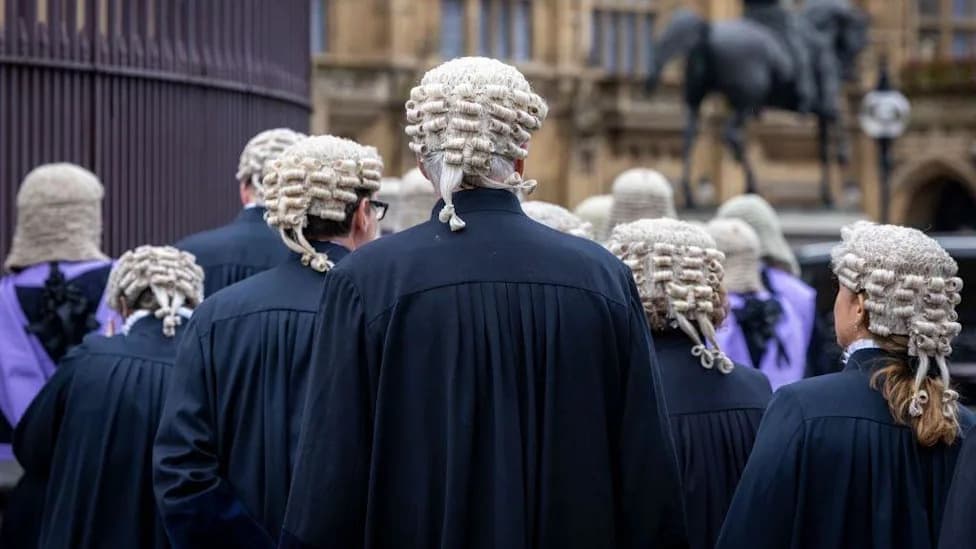
[Getty Images]
Prime Minister Andy Burnham has abandoned proposed reforms that would have reduced the use of juries in many Crown Court trials after widespread professional and public opposition.
The proposals originally published by the Ministry of Justice would have allowed judges to decide cases likely to attract sentences of under three years without a jury, while reserving judge-alone trials in practice for complex fraud and financial offences. Justice Secretary Alex Norris announced the reversal, saying he had listened to the "strength of feeling" about the plans and would change course.
What Was Proposed
Former Justice Secretary David Lammy first set out the package of reforms in December following a major review of the court system for England and Wales. The plan aimed to limit jury trials to the most serious "indictable" offences (such as murder and rape), move less serious Crown Court cases to judge-alone hearings, and keep the least serious matters in magistrates' courts — in some cases removing a defendant's right to elect a jury trial.
Why The Reforms Were Suggested
The government argued the reforms were designed to tackle record court backlogs — currently nearly 81,000 cases — which have lengthened delays for defendants and victims and contributed to pressures in the prison population. Officials say the backlog surged largely due to pre-pandemic funding cuts and court closures during national lockdowns, with projections that it could reach 100,000 before the next general election and, in a worst-case scenario, double by 2035.
Reversal And Reactions
Justice Secretary Alex Norris said the government remains committed to reducing the backlog and improving efficiency but had decided to withdraw the plans to increase judge-alone trials in the Crown Court after strong objections.
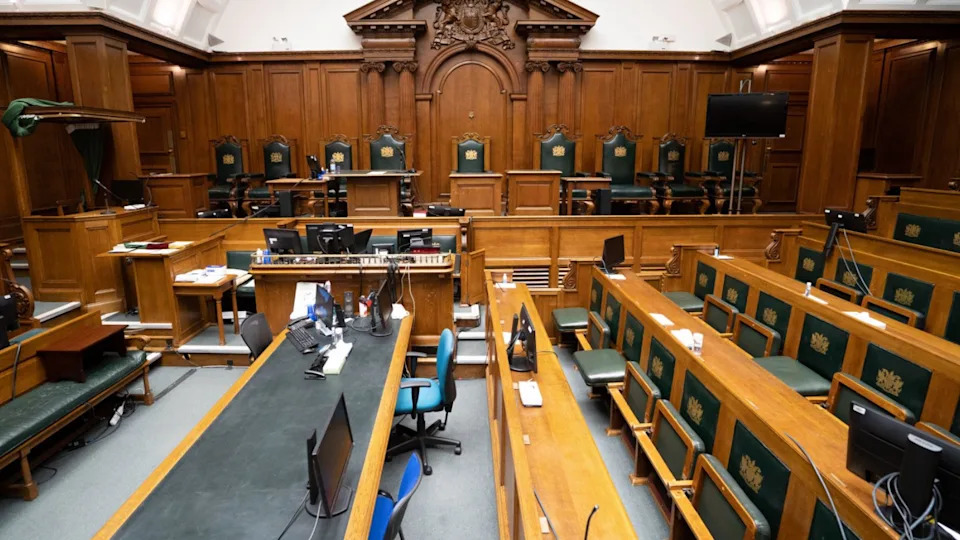
Old Bailey: All Crown Courts hear trials by jury [PA Media]
"I have heard the strength of feeling on the proposals for increasing the number of judge-alone trials in the Crown Court and have made the decision to change course," Norris said. "Justice delayed is justice denied, and I am committed to maximising efficiencies in our system alongside record investment."
Andrew Thomas KC, chair of the Criminal Bar Association, welcomed the reversal. "Justice needs juries," he said. "Nothing inspires more public trust than 12 ordinary citizens from all walks of life deciding the facts of a case together." He also praised other planned protections for victims and witnesses in the bill, including measures to limit unfair questioning about a complainant's behaviour.
However, Thomas warned that a related proposal — removing defendants' right to elect a Crown Court trial combined with doubling magistrates' sentencing powers to two years — could shift around 25,000 cases a year out of the Crown Court, including roughly 5,500 jury trials. He cautioned that volunteer magistrates are not equipped to handle complex, multi-day cases such as certain assaults, sexual offences and child-abuse trials.
Barrister Karl Turner — who faced parliamentary suspension after criticising the original plans — thanked the Prime Minister for supporting his campaign. Shadow justice figures and Conservative opponents called the U-turn a major victory for supporters of trial by jury.
Outlook
Questions remain about how to reduce the backlog sustainably. The government has committed additional funding to appoint more judges and use underused court capacity, and there are signs the backlog is stabilising. But former Justice Secretary David Lammy has warned that, without broader structural reform, the backlog could continue to rise.
The reversal preserves the historic role of juries for the most serious offences while keeping the door open to other efficiency measures — but stakeholders caution that any shift of cases into magistrates' courts must account for capacity, training and the complexity of some mid-level offences.
Help us improve.