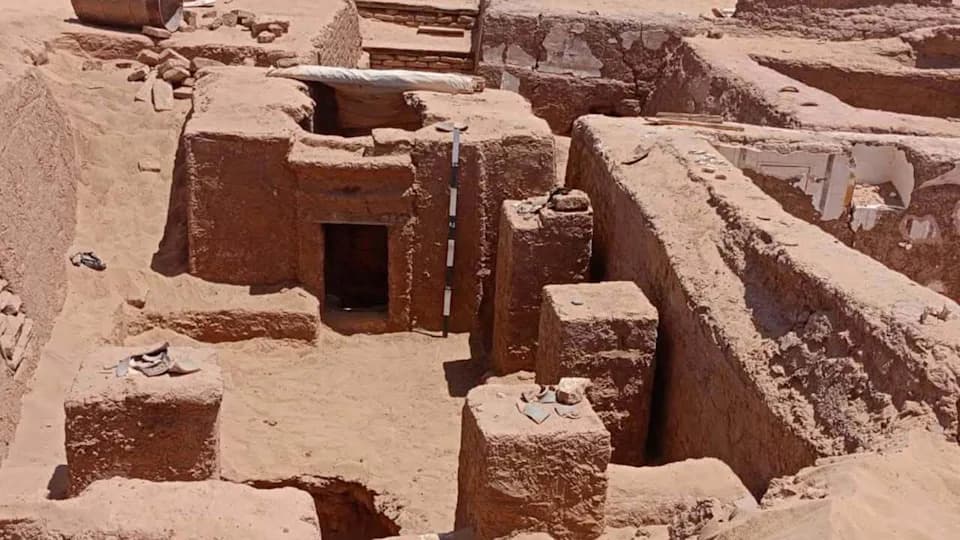
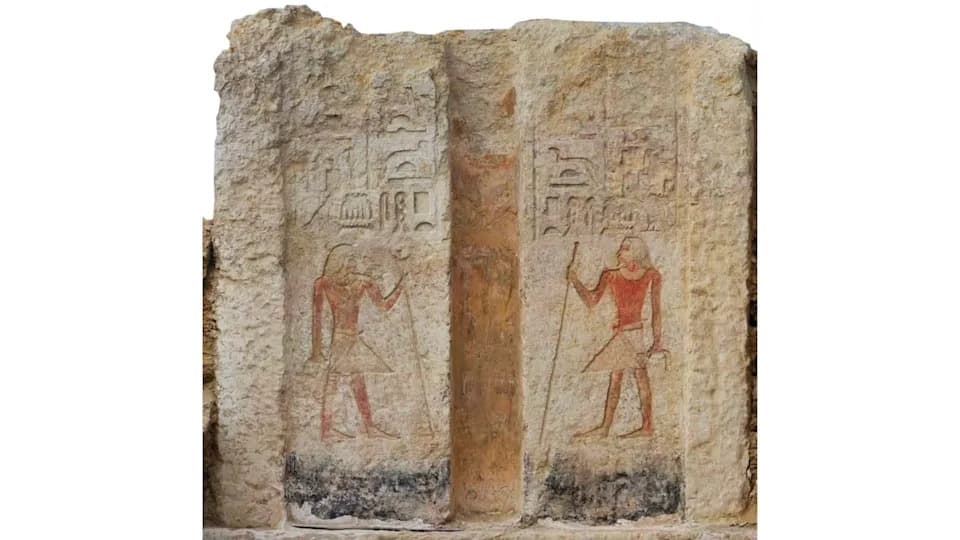
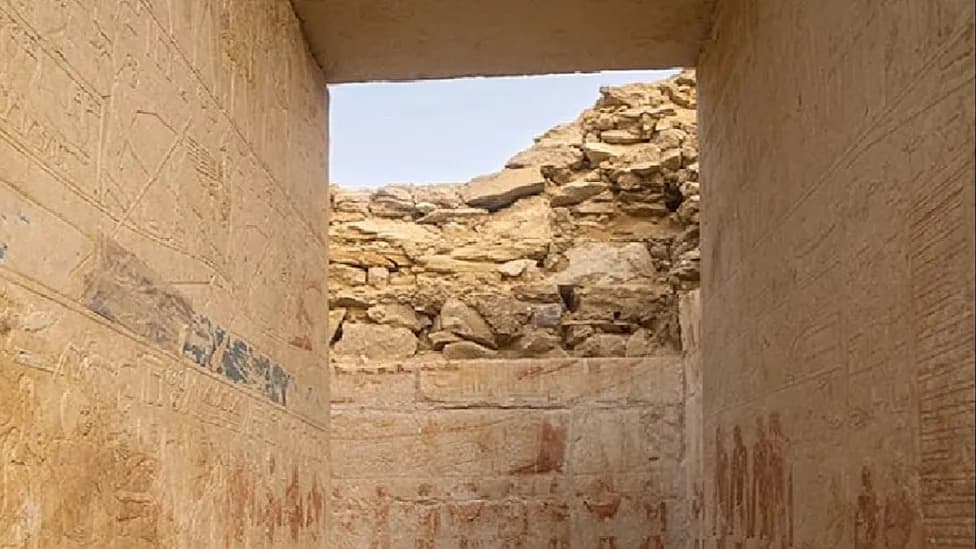
Archaeologists at Bir al-Shaghala in Egypt's Dakhla Oasis have uncovered a pyramid-shaped mud-brick tomb from the Roman period that contained a rare Greek funerary stele. The rectangular stele holds 19 lines of red-ink Greek text devoted to "Pesikhtis," who may have been a judge, and is stylistically dated to the late 3rd–early 4th centuries BCE. The sandstone entrance features unique hieroglyphic inscriptions and a scene from the Book of Amduat; additional finds include an offering table, a purification basin, pottery and a bronze coin of Emperor Constantine, suggesting later reuse.
Ancient Greek Funeral Elegy for Possible Judge Found in Dakhla Oasis Tomb
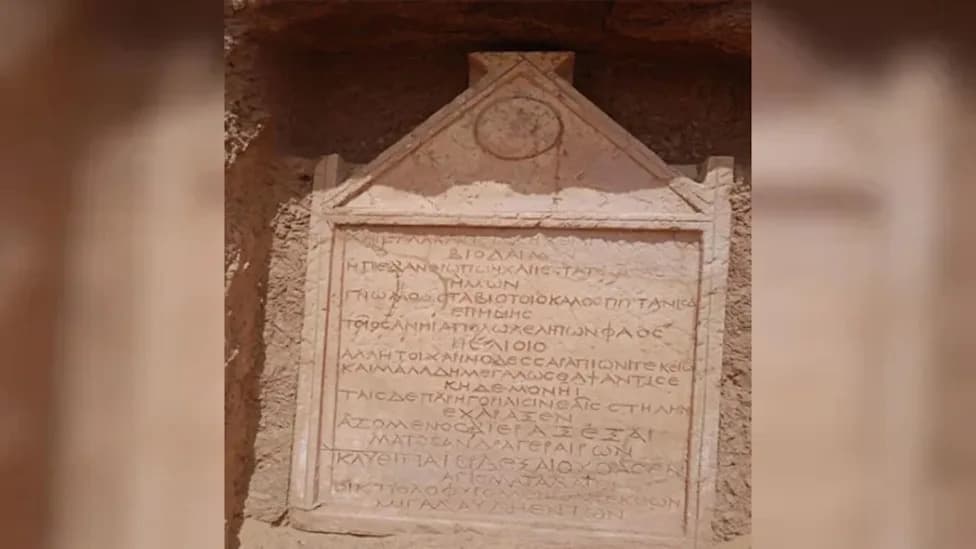
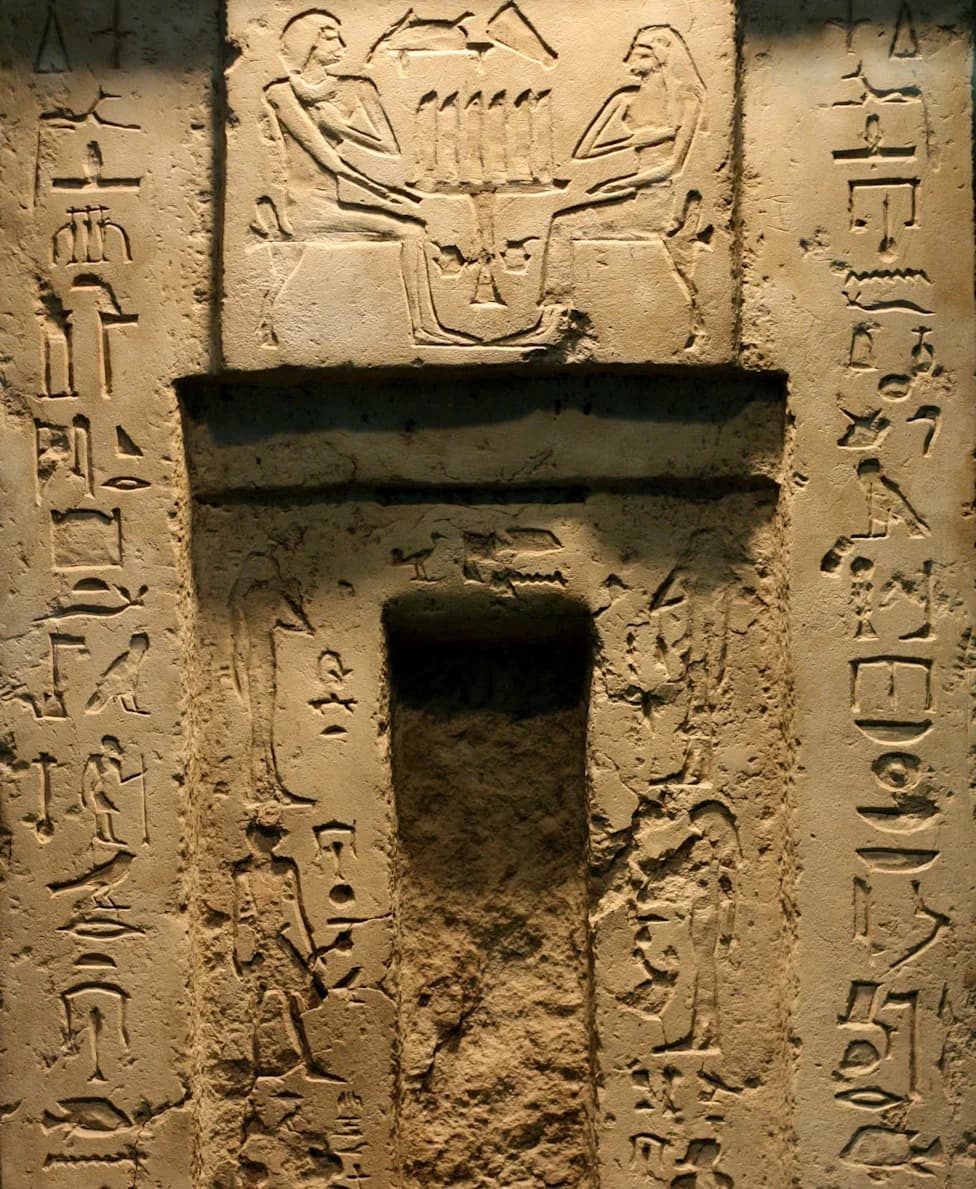
Egyptian funerary stele written in ancient Greek recently found during excavations at the Dakhla Oasis, Egypt, October 2, 2026. (photo credit: EGYPTIAN TOURISM AND ANTIQUITIES MINISTRY)
Archaeologists working at the Bir al-Shaghala necropolis in Egypt's Dakhla Oasis uncovered a pyramid-shaped mud-brick tomb that contained a rare ancient Greek funerary stele, the Egyptian Tourism and Antiquities Ministry announced in late August.
A Unique, Richly Decorated Entrance
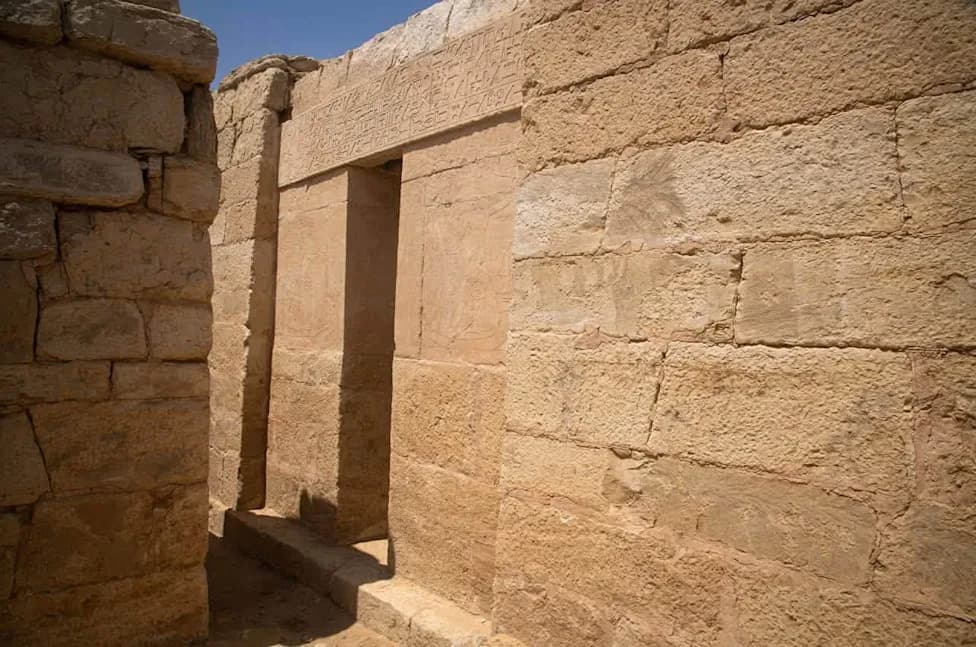
The Roman-period tomb—constructed for a man and his wife—is reached by a 14-step sandstone staircase and a finely carved stone entrance. The doorway is crowned by an Egyptian cornice bearing a winged sun disk flanked by two cobras and finished with an architectural band resembling a bundle of reeds. The lintel includes an uncommon funerary scene for the necropolis: a depiction of the seventh hour from the Book of Amduat, one of ancient Egypt's major books of the afterlife. Both sides of the lintel are inscribed with hieroglyphic texts and scenes linked to the tomb's owners.
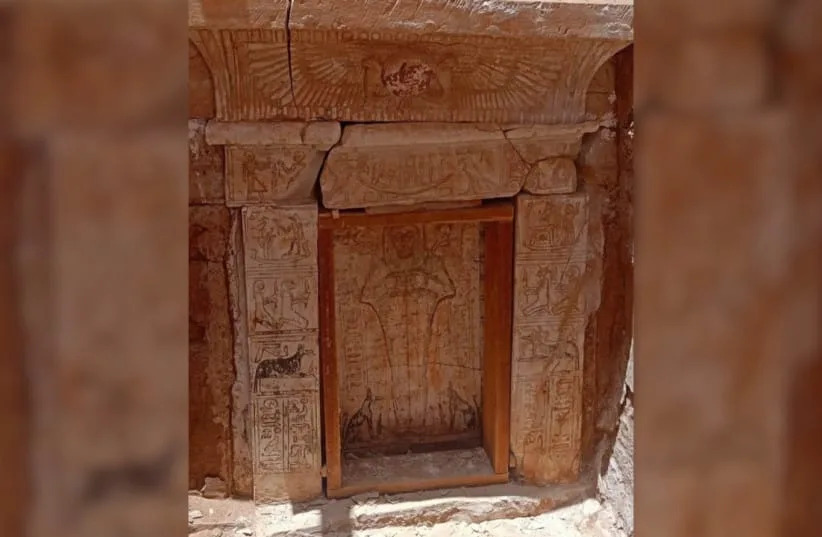
Entrance to ancient Eygptian tomb found in Egypt's Dakhla Oasis, October 2, 2026. (credit: EGYPTIAN TOURISM AND ANTIQUITIES MINISTRY)
The Stele and Its Greek Elegy
Affixed to the tomb's southern wall, researchers found a rectangular funerary stele topped with a gabled stone and a relief sun disk. The stele bears 19 lines of ancient Greek text written in red ink. The elegy is dedicated to a person named Pesikhtis, who preliminary study suggests may have served as a judge. Scholars date the inscription stylistically to the late 3rd–early 4th centuries BCE; archaeologists suggest this stele either predates the burial or reflects an earlier literary tradition that persisted into the Roman period.
Other Finds And Signs Of Later Reuse
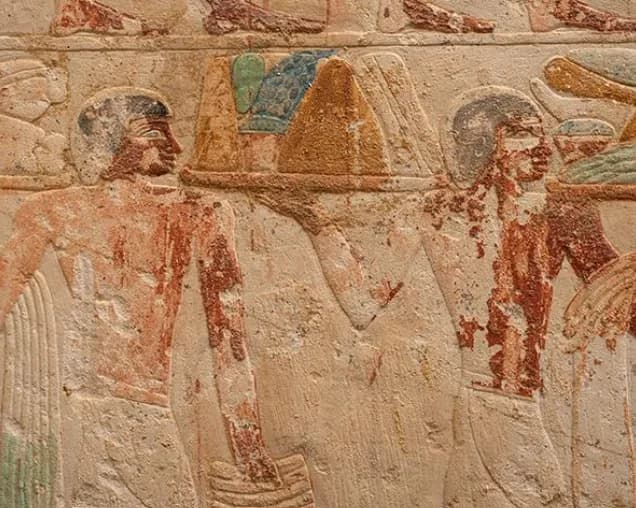
Excavators also recovered a sandstone offering table, a purification basin, several pottery vessels, and a bronze coin bearing the portrait of Emperor Constantine—evidence the tomb saw later activity or reuse during the Roman/late antique era. Director General Mohamed Ibrahim reported remains of a mud-brick chapel and a funerary shrine above the entrance, further indicating the site was reused and adapted over time.
Why it matters: The combination of an ancient Greek elegy within an Egyptian funerary setting—plus detailed inscriptions and rare iconography—sheds light on the multicultural literary and ritual life of Egypt's oases across Hellenistic and Roman periods.
The discovery underscores the Dakhla Oasis's role as a crossroads of cultures and offers new material for studying funerary practices, bilingual or cross-cultural religious expression, and local elites during a long span of Egyptian history.
Help us improve.