The Pentagon raised special combat pay effective Oct. 1, doubling Hostile Fire Pay to a $450 monthly maximum and increasing Imminent Danger Pay by $50 to a $275 cap (about $9.16 per day). The changes, detailed in a July 14 memo from Timothy Dill, are the first increases since 2002 and aim to better compensate troops serving in hazardous CENTCOM-area deployments. Hardship Duty Pay—Location was reduced from $150 to $100. Defense casualty data shows 861 wounded and 19 killed since Feb. 28.
Pentagon Raises Combat Pay: Hostile Fire Pay Doubled to $450, Imminent Danger Pay Up to $275
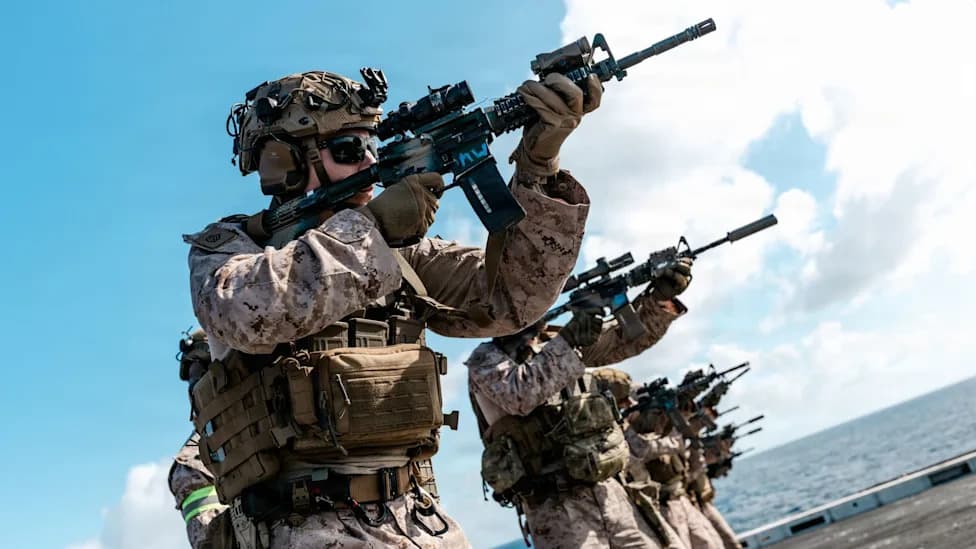
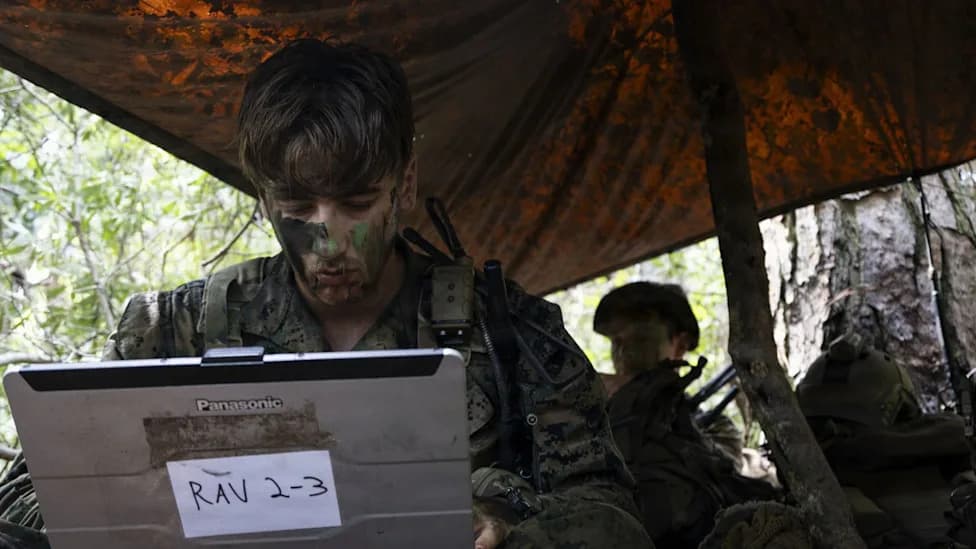
Marines from the 11th Marine Expeditionary Group conduct marksmanship training on the USS Portland in July 2026.
The Department of Defense has increased special combat pay for deployed service members, with new rates taking effect Oct. 1 at the start of the fiscal year. These are the first increases to hostile fire and imminent danger pays since 2002.
What Changed
Hostile Fire Pay has been doubled to a maximum of $450 per month. Imminent Danger Pay was raised by $50 to a maximum of $275 per month (prorated at approximately $9.16 per day under the new rates). The adjustments were detailed in a July 14 memorandum from Timothy Dill, Assistant Secretary of Defense for Manpower and Reserve Affairs.
"Those who face combat deserve higher compensation that reflects the risks that they willingly undertake on behalf of our nation," Undersecretary of Personnel and Readiness Anthony Tata said on Oct. 1. "Raising imminent danger and hostile fire pays for the first time in two decades is a step toward recognizing that sacrifice."
Eligibility, Limits and Other Pay Changes
Service members qualify for Hostile Fire Pay when their unit or base is attacked by hostile forces or when they are wounded by hostile fire or explosions; if authorized by a commander, the benefit is paid as a monthly lump sum up to $450. Imminent Danger Pay applies to personnel in areas "subject to the threat of physical harm or imminent danger based on civil insurrection, civil war, terrorism, or wartime conditions in a designated foreign area" and is prorated daily. As before, service members cannot receive both types of combat pay in the same month.
Alongside the increases in combat pays, the Pentagon reduced Hardship Duty Pay—Location from $150 per month to $100 per month, citing policy limits on maximum payable amounts.
Operational Context
Tens of thousands of U.S. personnel remain deployed across the U.S. Central Command (CENTCOM) area of responsibility as the conflict with Iran continues. The military has rotated some units out—most notably carrier strike groups on extended tours—while extending the deployments of other elements.
Soon after the conflict began, the Defense Department expanded the list of locations eligible for Imminent Danger Pay to include areas supporting Operation Epic Fury, such as the Indian Ocean, Diego Garcia, the Arabian Sea and bases in several Middle Eastern countries.
Casualty Update
According to the Defense Casualty Analysis System, since Feb. 28 there have been 861 wounded and 19 service members killed in the conflict; more than half of those wounded were injured since July 7, and the majority of casualties have been among Army personnel.
The pay changes were proposed earlier in the year and required coordination with Congress; officials have said the higher stipends are intended to help recruit and retain personnel serving in hazardous conditions.
Help us improve.