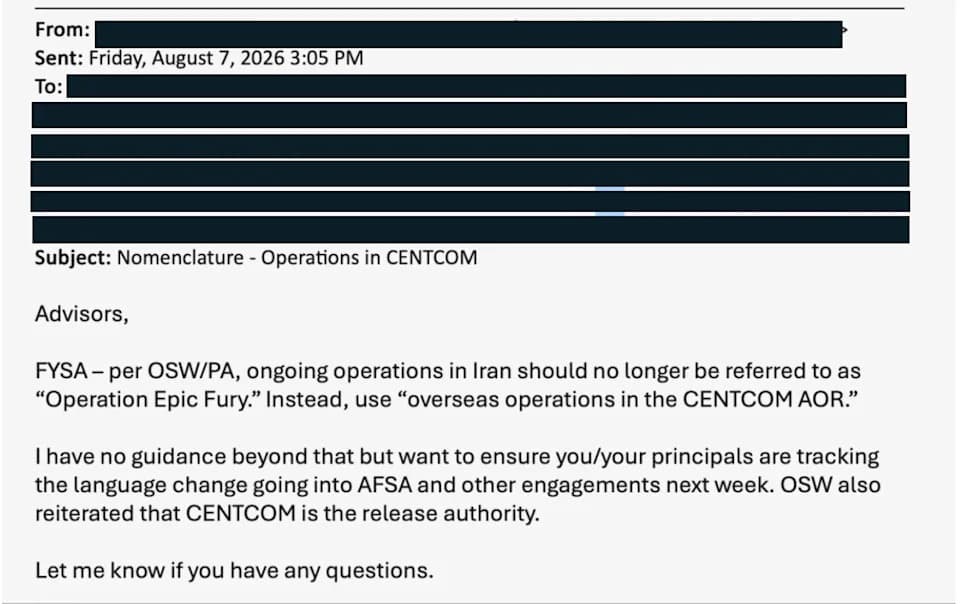
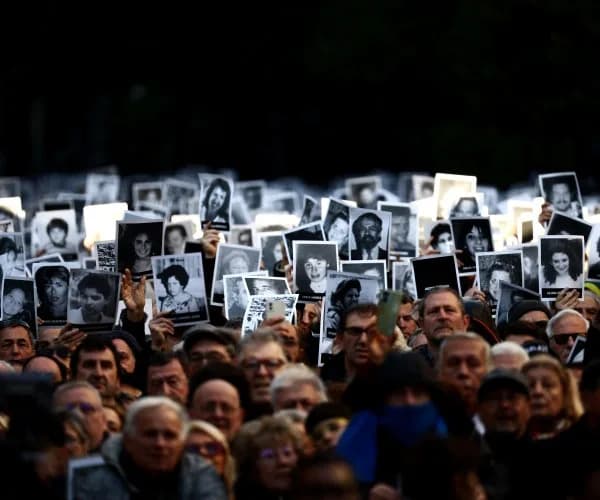
Families of US service members killed while supporting operations tied to the Iran conflict are contesting Pentagon decisions about survivors' pay and benefits. The widow of Major Alex Klinner said the Air Force initially denied extra benefits because Congress had not declared war, but officials later confirmed his final paycheck included hazard pay and combat-related tax breaks, with combat pay mislabelled as $225 a month. The case drew national attention and highlights broader confusion about casualty classifications, reporting and entitlements for grieving families.
Pentagon Calls Iran Operations Not A 'War' As Families Fight For Fallen Soldiers' Benefits
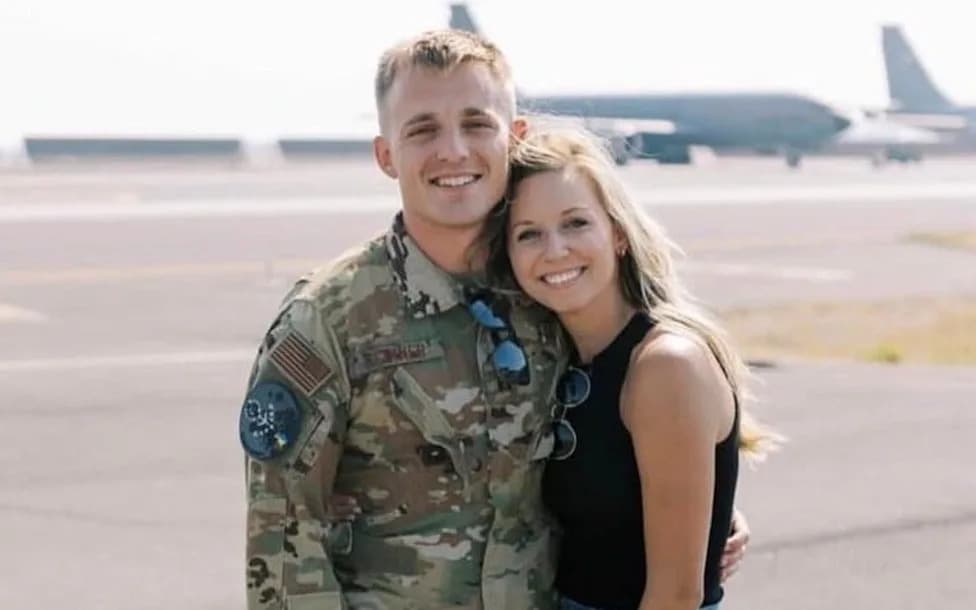
Libby Klinner, widow of Major Alex Klinner, wrote on social media that she has not received appropriate pay following his death in an aircraft crash
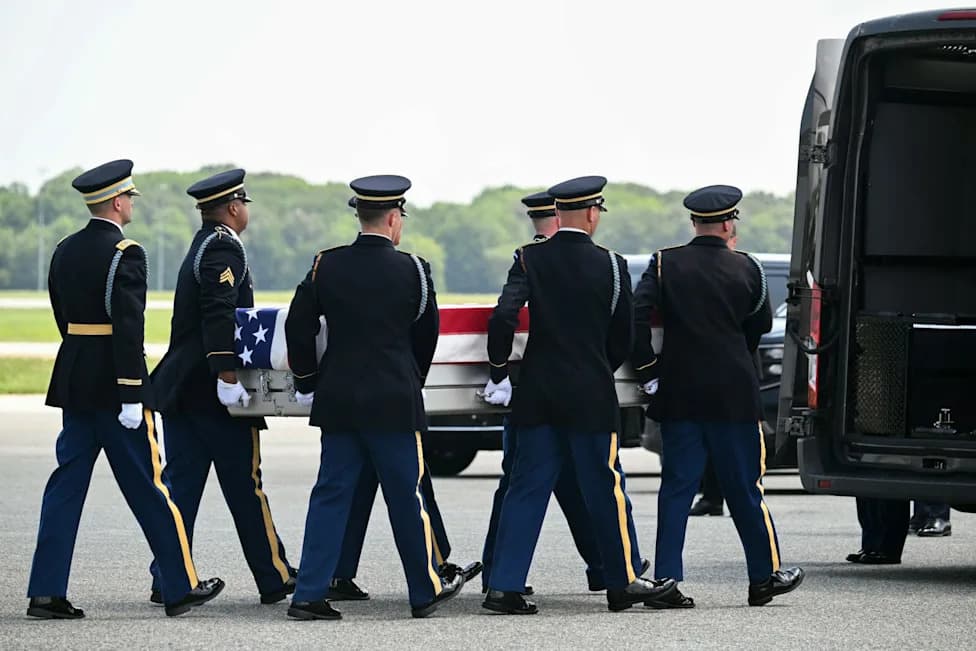
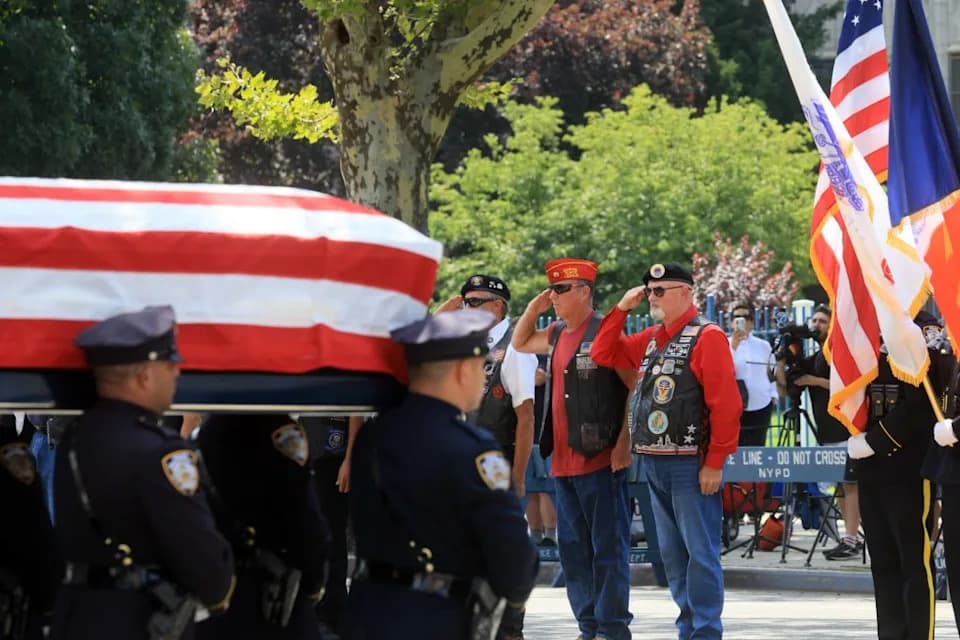
Families of US service members killed while supporting strikes related to the Iran conflict are challenging Pentagon decisions over survivors' pay and benefits, arguing their loved ones should be recognised as combat casualties regardless of whether the campaign is formally labelled a war.
Case of Major Alex Klinner
Libby Klinner, widow of Major Alex Klinner, 33, said the US Air Force initially told her she was not eligible for additional benefits after her husband died because Congress had not formally declared war. Major Klinner was one of six crew members aboard a KC-135 refuelling aircraft that crashed in western Iraq in March while supporting US strikes against Iran. He is among 18 US service members reported killed since the conflict began more than six months ago; officials say roughly 780 others have been wounded.
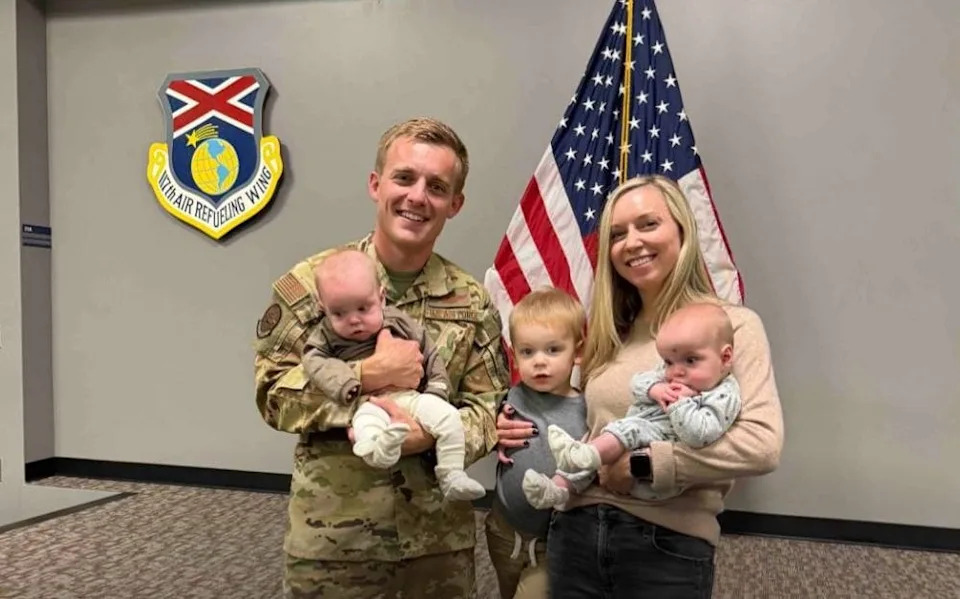
Major Alex Klinner, pictured with his wife Libby and their three children
After Ms Klinner's social media post went viral, the Air Force contacted her to clarify that Major Klinner's final paycheck did include hazard pay and combat-related tax breaks. Officials acknowledged they had provided incorrect initial information and said the combat pay had been included but mislabelled; the combat pay amounted to $225 a month and, according to the service, is not contingent on a formal declaration of war.
'What this experience made clear to me is how difficult it can be for a grieving family to navigate classifications, terminology and government processes at the very moment we are least equipped to do so,' Ms Klinner said. 'No Gold Star family should have to become an expert in government language to understand what they are entitled to. Alex understood the risks that came with his service, and he trusted that if the worst happened, his family would be taken care of.'
National Attention and Political Responses
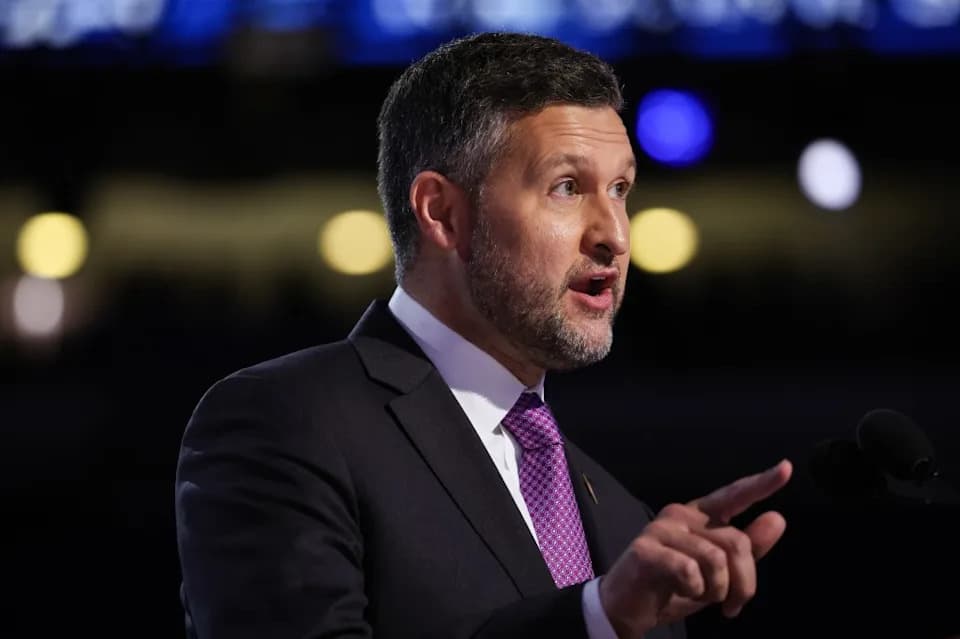
The case drew national attention during a White House briefing when Senator J.D. Vance — who spoke in support of helping the family — was asked about it. 'We want to be as helpful as we can and ensure she gets everything that she is entitled to,' he said. President Donald Trump has repeatedly referred to US military actions against Iran as a 'war' but also defended phrasing such as 'military conflict' or 'intermittent' strikes, arguing the operations are limited in scope.
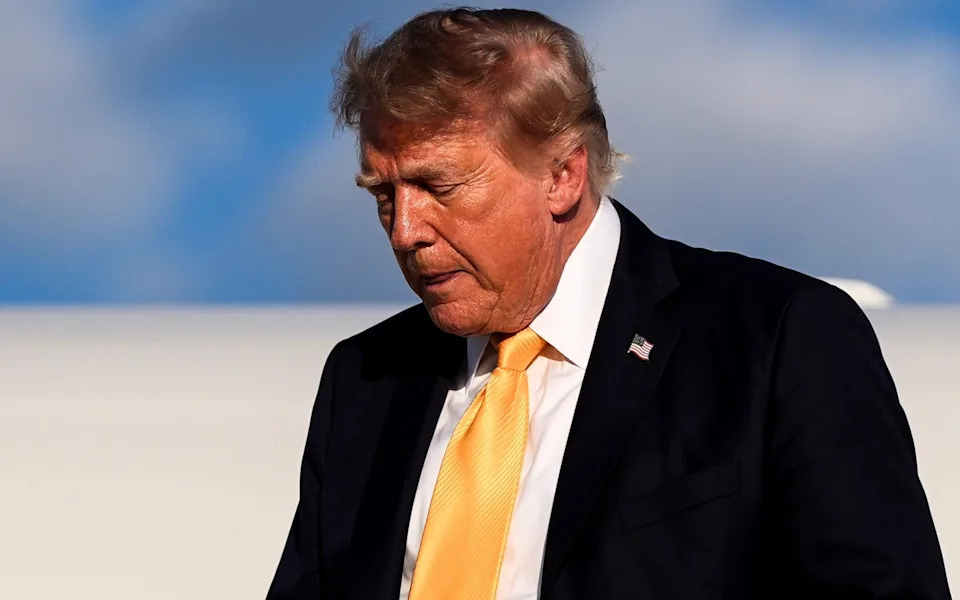
President Trump has insisted on calling the operation in Iran a 'military conflict' because strikes have been 'intermittent' - Julia Demaree Nikhinson/The Associated Press
Wider Concerns Over Casualty Reporting and Benefits
Other families have accused the Pentagon of downplaying injuries by describing them as 'minor' and of not treating some wounded personnel as combat casualties. The US Army has denied those claims. Observers note the military is often slow to disclose detailed casualty information because US Central Command is not required to publish exhaustive reports, particularly when personnel return to duty soon after treatment.
Service members' eligibility for various payments depends on multiple factors such as deployment status and duty location, and paychecks can change several times a year. That variability frequently causes confusion and increases the burden on grieving families trying to understand entitlements after a death in service.
'I want the conversation to focus on making sure every family facing an unimaginable loss has that same clarity from the start,' Ms Klinner said. 'Getting this right for the families left behind isn't a footnote – it's part of how we honour the service and sacrifice of those we lost.'
Help us improve.