President Volodymyr Zelensky said Ukraine would support reciprocal de-escalatory steps if Russia sincerely halts strikes on critical infrastructure, responding to a social media post by US President Donald Trump claiming both sides agreed to avoid energy targets. Trump blamed Ukrainian refinery strikes for diesel shortages as global oil prices rise. Meanwhile, attacks on Ukraine's rail network are intensifying and the EU delayed renewing sanctions after France pushed to delist oligarch Alisher Usmanov.
Zelensky Ready To Back De-escalation If Russia Reciprocates; Trump Says Both Sides Agreed To Halt Energy Strikes
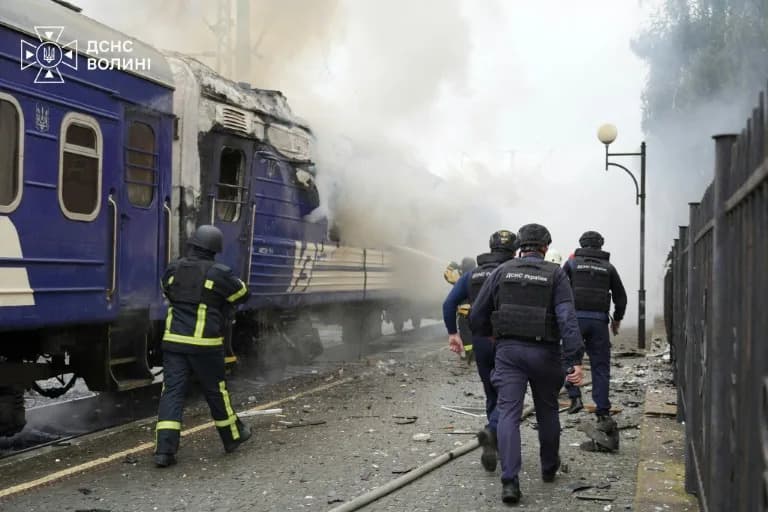
Russia has stepped up strikes on Ukrainian targets near the Polish border while Ukraine has hit Russian refineries (Handout)
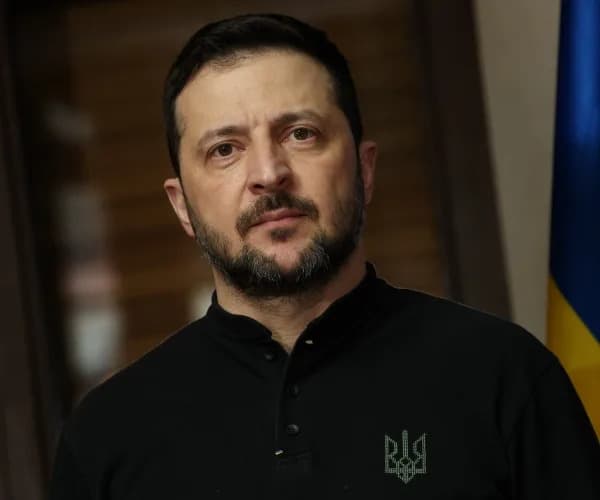
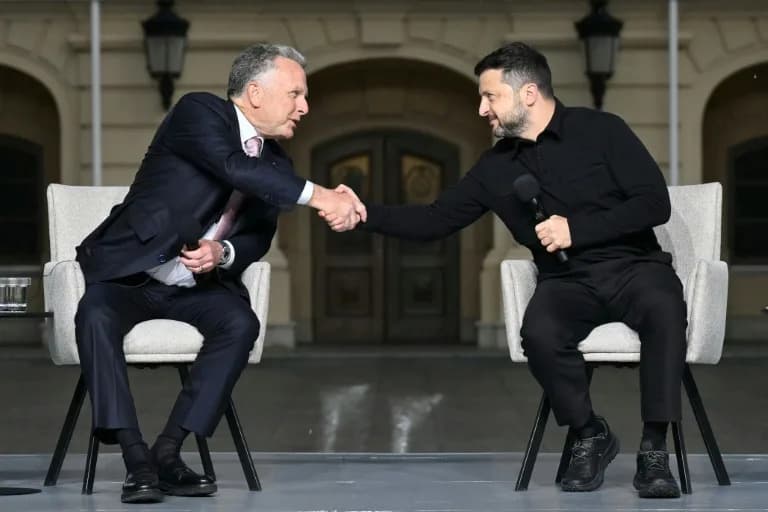
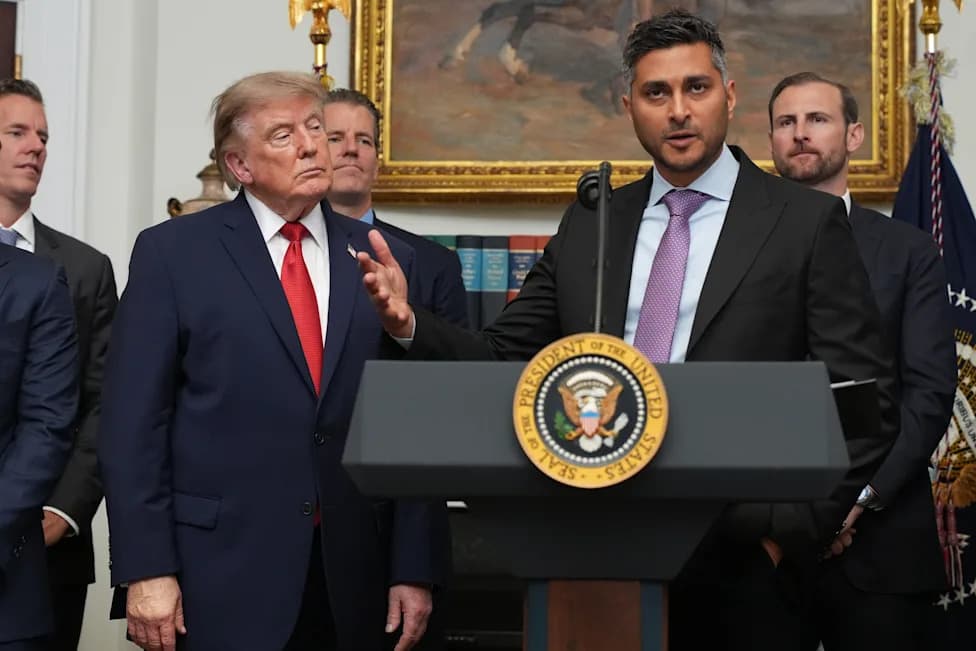
President Volodymyr Zelensky said on Monday that Ukraine is prepared to take reciprocal de-escalatory steps in the war with Russia if Moscow shows a genuine, long-term willingness to stop attacks on critical infrastructure. His comments followed an unexpected social media post from US President Donald Trump saying both sides had agreed to avoid strikes on energy targets.
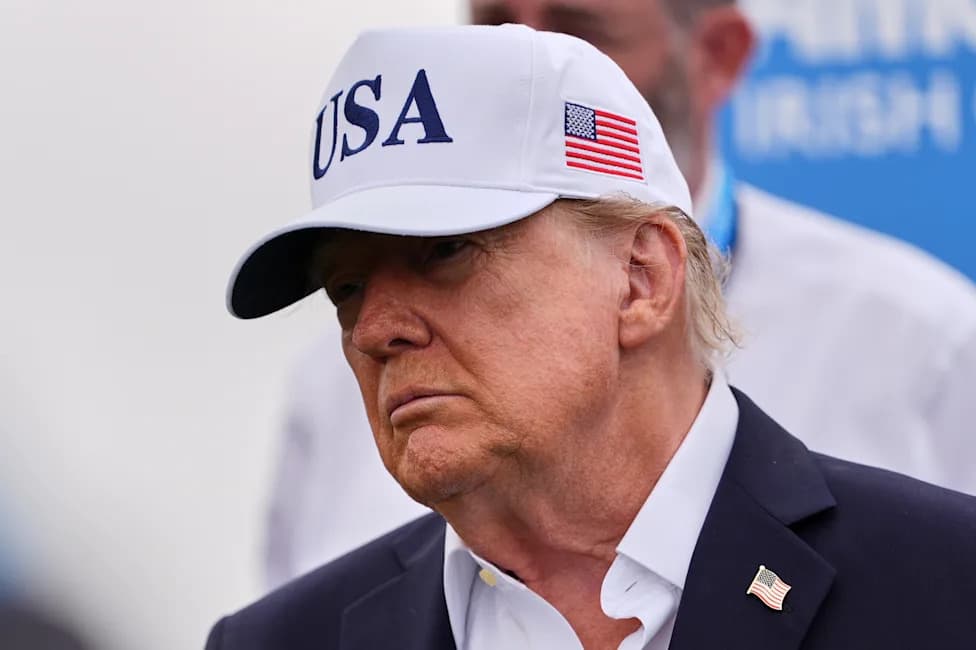
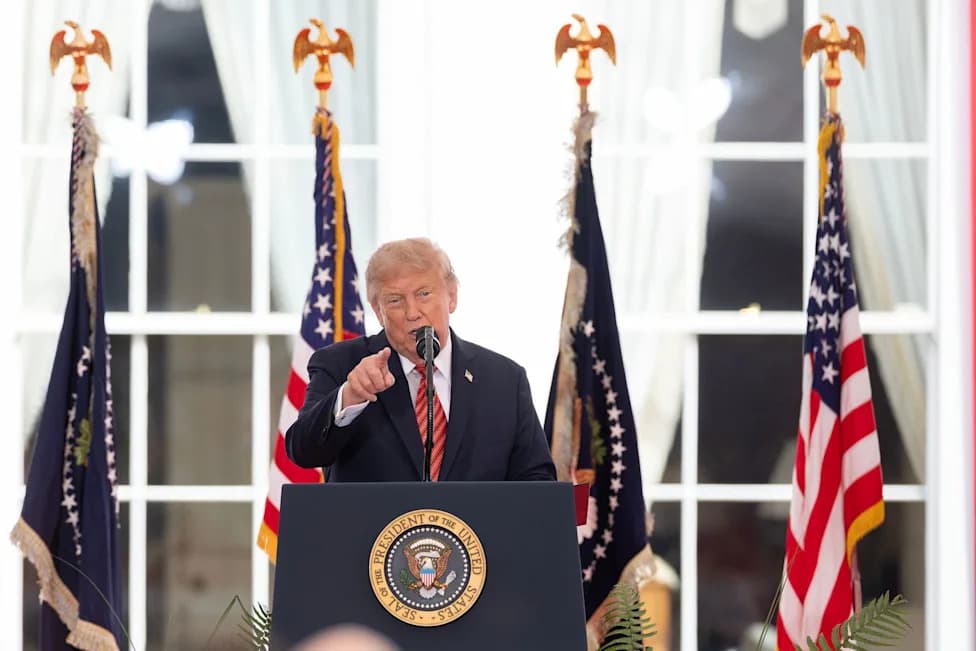
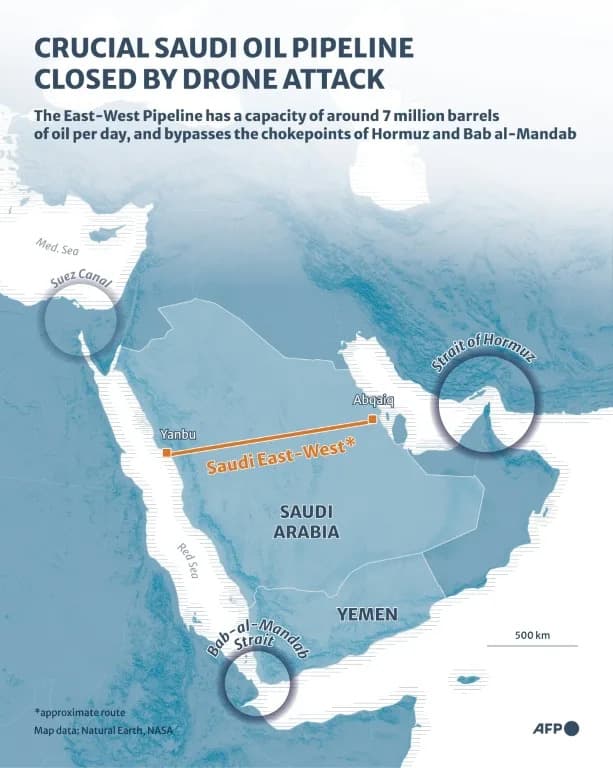
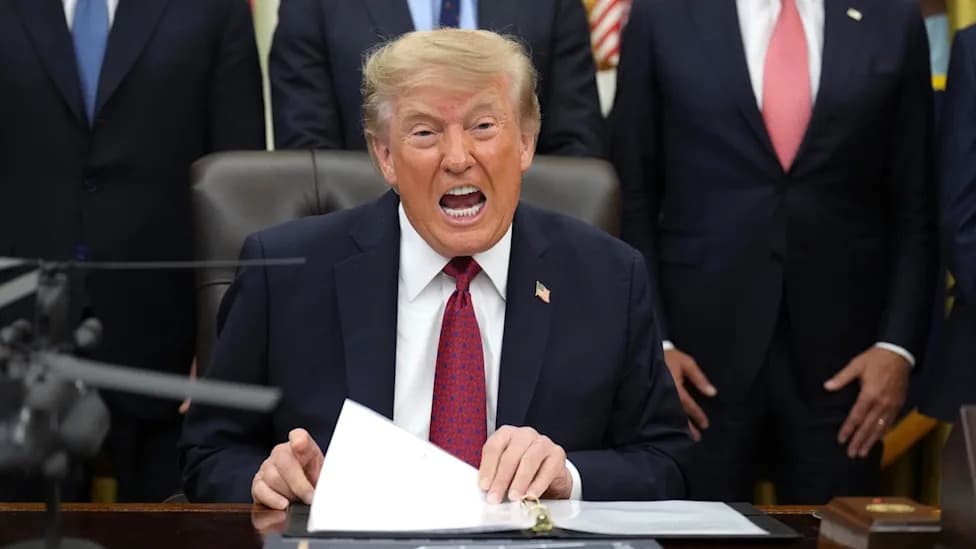
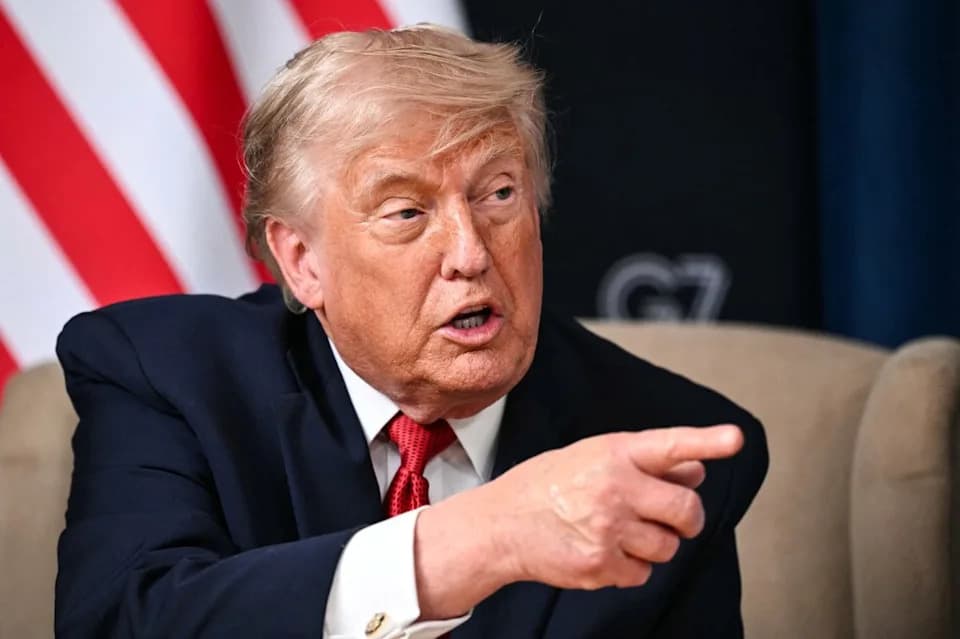
Trump, speaking amid a renewed rise in global oil prices, criticized recent Ukrainian strikes on Russian refineries over the weekend and blamed them for contributing to a diesel shortage. In a brief post, he wrote: "Ukraine has agreed not to hit Russian Energy targets. Russia has agreed to do, likewise!" Russia did not immediately comment on the claim.
In his daily address, Mr. Zelensky referenced "a strong proposal from the United States regarding a mutual halt to strikes on critical infrastructure." He said such a move "could become the first de-escalatory step — stopping Russian strikes on our critical infrastructure, and ours in response — then Ukraine is ready to support de-escalation." He added that Kyiv has so far seen "no genuine desire from Russia to move toward ending the war," but that Ukraine would act if Washington secured sincere commitments from Moscow.
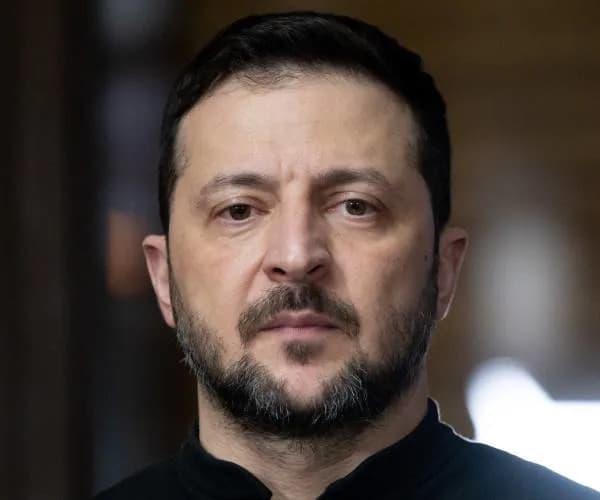
"We see that the Russians are feeling pressure because of our precise responses against Russia's war economy," Zelensky said, stressing that any unilateral move would depend on a verifiable and sustained change in Russian behaviour.
Rail Network Attacks Intensify
Ukrainian Railways' CEO Oleksandr Pertsovsky told AFP that Russian strikes on the country's rail network are worsening week by week, saying: "It's growing exponentially. Each month, each week is generally worse than the previous one." The comment came after a weekend strike hit a train frequently used by diplomats near the Polish border.
Poland, a NATO member, reported a train was struck about two kilometres from the Polish-Ukraine border. Kyiv officials also said in recent days that road crossing checkpoints on the Moldova border had been targeted. Polish Prime Minister Donald Tusk said Warsaw had intelligence suggesting Moscow might plan further attacks on border crossings.
EU Postpones Sanctions Renewal Amid Usmanov Dispute
European Union governments agreed to delay for one week the deadline to renew an EU sanctions list of almost 3,000 individuals and entities after France pushed late attempts to remove Uzbek-Russian metals tycoon Alisher Usmanov from the blacklist. Usmanov, once a major Arsenal shareholder, was added to the list in 2022 over alleged close ties to the Kremlin.
The French move reportedly surprised several EU capitals. An Irish government spokesman, speaking for the country holding the EU presidency, said: "Renewal of the listings is essential to continue undermining Russia's war machine, and keeping the pressure on those individuals and entities supporting, enabling and benefiting from it." The Financial Times reported that France's push may be linked to a prisoner-release arrangement involving French nationals held in Azerbaijan.
Context And Diplomatic Efforts
U.S. envoys recently travelled to Moscow and Kyiv seeking progress, but returned without announcing any breakthrough. The broader push for de-escalation has been complicated by the separate US-Israeli tensions with Iran, now in their seventh month, which have complicated U.S. diplomatic bandwidth on the Russia-Ukraine conflict.
The situation remains fluid: Kyiv continues to press allies for more anti-missile defenses as Russian strikes on critical infrastructure intensify, while diplomatic efforts aim to convert proposals into verifiable commitments that could reduce civilian harm and energy-market disruptions.
Help us improve.