The Trump administration has begun sending $500 refunds to nearly 1 million ACA enrollees across 30 states, saying surplus user fees collected by CMS were passed to consumers through higher premiums. Payments—primarily aimed at enrollees above 400% of the federal poverty line—will arrive by check or direct deposit and include a letter from President Trump. Critics, including Sen. Chuck Schumer and several health policy experts, say the one-time payments are insufficient to offset rising premiums and call for restoring expired subsidy enhancements.
Trump Administration Sends $500 ACA Refunds to Nearly 1 Million Enrollees — Why the Payments Are Going Out
Various denominations of US dollar bills, including one, five, ten, twenty, fifty, and one hundred, fan out over an American flag. (Credit: Image via Shutterstock)
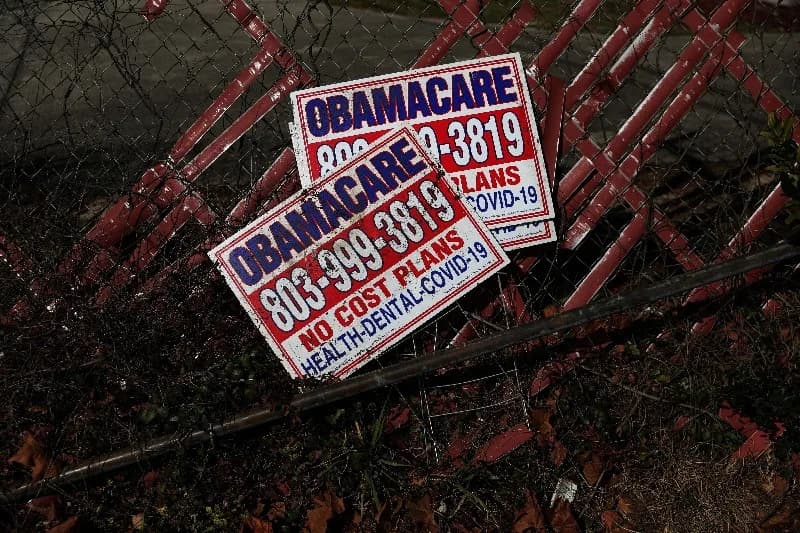
The Trump administration has begun sending $500 refund payments to nearly 1 million people enrolled in the Affordable Care Act (ACA) across 30 states, saying those enrollees were overcharged under the previous (Biden) administration.
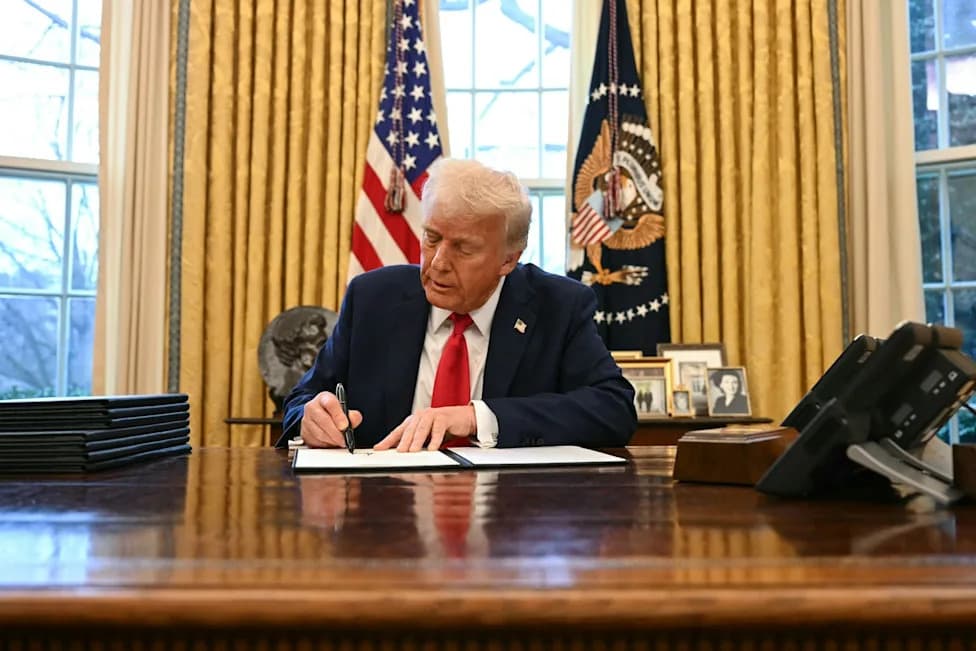
Officials said many recipients will receive the money by check or direct deposit, and some households with multiple eligible enrollees could receive more than one payment. Each payment will be accompanied by a letter from President Donald Trump explaining the payout. In the letter, the president wrote:
"For years, the Biden Administration overcharged you to fund the operation of HealthCare.gov. That money belongs to hard-working Americans, not the Government, and now, I am returning it to you!"
Why the Refunds?
Administration officials say the refunds come from surplus user fees that the Centers for Medicare and Medicaid Services (CMS) collected from insurers on the federal exchanges. The administration contends those surplus fees were effectively passed on to consumers through higher premiums and describes the payouts as a correction for what it calls prior mismanagement of the federal Marketplace platform.
Who Gets the Money
An administration official told CBS News that the payments are primarily being sent to enrollees with incomes above 400% of the federal poverty line. The program targets nearly 1 million enrollees across 30 states, with amounts paid as single $500 checks per eligible enrollee.
Responses and Context
The refunds arrive as many ACA enrollees face rising premiums after Congress allowed enhanced subsidy provisions to expire last year. A March KFF poll found that about half of respondents said their premiums or other costs were "a lot higher" than the prior year, highlighting growing financial pressure on marketplace enrollees.
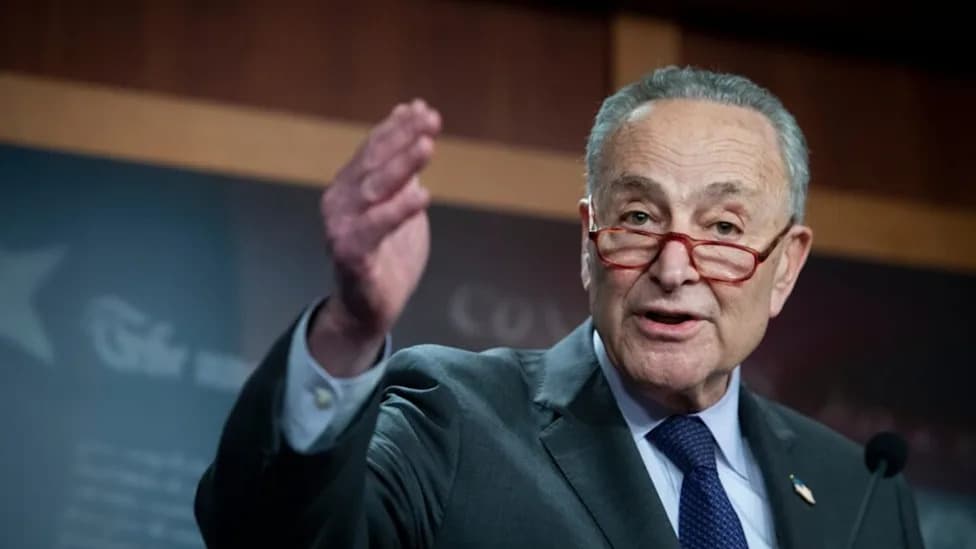
Senator Chuck Schumer (D-N.Y.) criticized the $500 payout as inadequate, calling it a "complete slap in the face" because it covers only a small portion of typical medical bills. Health policy experts also questioned the move's effectiveness: Jonathan Oberlander, a professor at the University of North Carolina, described the payments as an ineffective stopgap, and Raymond James analyst Chris Meekins said the checks will not offset the double-digit premium increases that many of the roughly 20 million ACA marketplace enrollees are expected to face.
What It Means
Administration officials maintain that returning surplus user fees is appropriate because those funds were collected from insurers and, in practice, passed through to consumers. While the one-time payments provide immediate, direct cash to some enrollees, critics argue the measure does not address the larger policy question of how to make health coverage more affordable, nor does it restore the expired subsidy enhancements that reduced premiums for many enrollees.
The distribution of refunds underscores ongoing debates over ACA implementation, premium subsidies, and how best to provide affordable coverage to millions of Americans who rely on the marketplaces for health insurance.
Help us improve.