Generational Divide: Older Black voters remain wary of the DSA’s pragmatic prospects while younger Black voters increasingly back DSA-aligned candidates focused on housing, healthcare and economic justice. Pew finds only 21% of Black Democrats view democratic-socialist candidates positively. Recent primaries show sharper support among younger Black voters, while DSA membership has surged from ~24,000 (2017) to over 120,000 (2026). The DSA has been pressured by Black members to prioritize racial-justice policies like reparations and tribal sovereignty.
Generational Rift: Why Older Black Voters Distrust the DSA While Younger Voters Embrace Riskier Politics

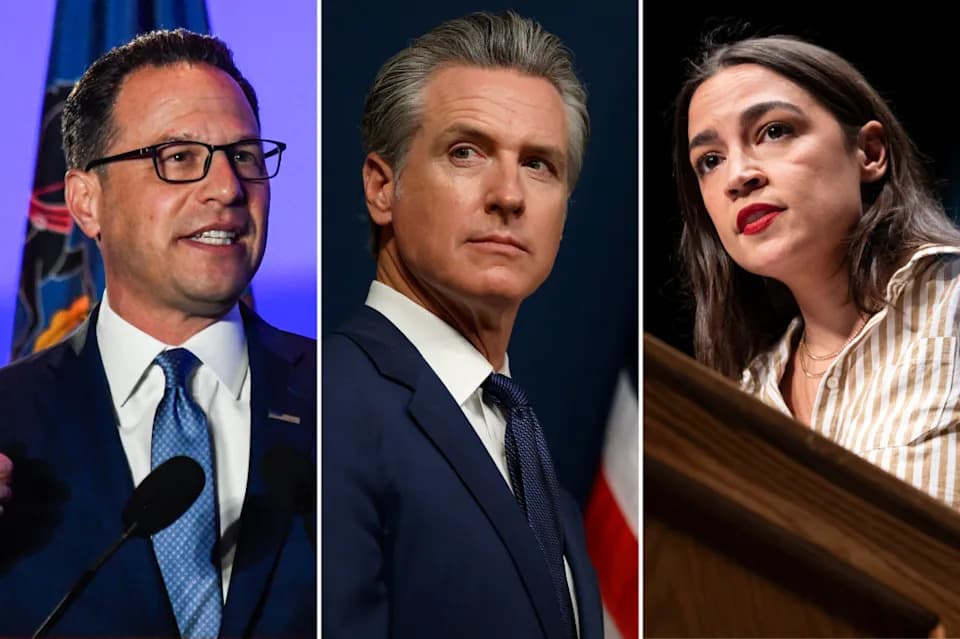
Founded in Detroit in 1982, the DSA advocates for a working-class democracy with public-funded education, as well as housing and healthcare paid for by excessively taxing the rich and corporations.Composite: The Guardian/Getty Images
The Democratic Socialists of America (DSA) faces a credibility gap with older Black voters even as younger Black Americans increasingly back DSA-aligned candidates and ideas. A mix of polling, recent primary results and interviews with Black activists and voters reveals a clear generational divide over strategy, priorities and pragmatism.
Polling and the Picture on the Ground
A Pew Research Center survey finds that just 21% of Black Democrats say they are likely to view candidates aligned with democratic socialism positively — well below the share among white Democrats (40%) and slightly below Asian Democrats (30%). These attitudes help explain why the debate over how far left the Democratic Party should move often overlooks the views of one of its most consequential constituencies.
Evidence of a Generational Split
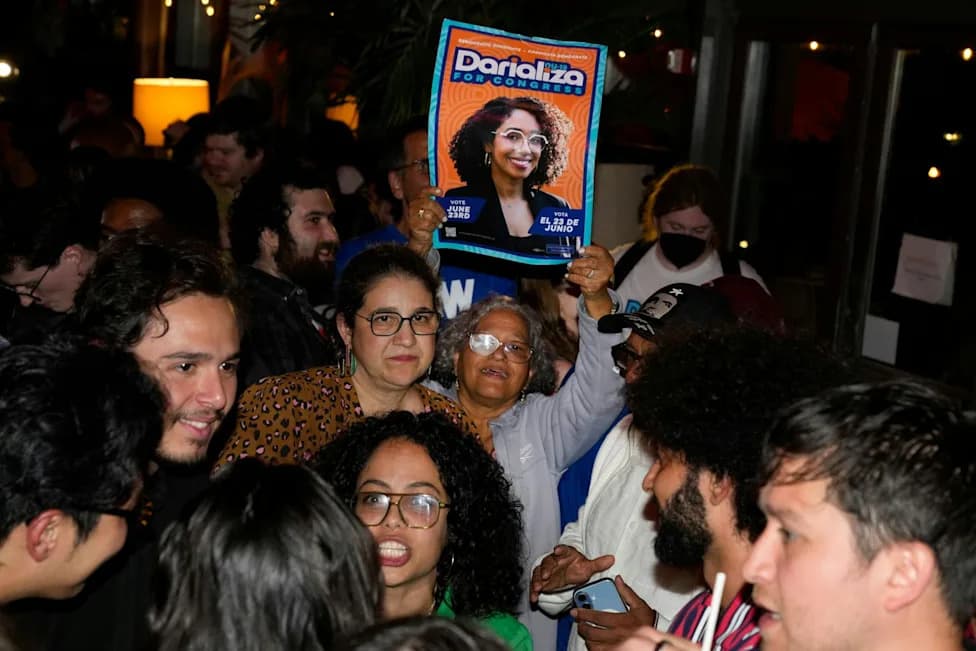
Recent primaries illustrate the divide. In New York, DSA-linked Claire Valdez won 59.6% of the young Black vote in her congressional primary but only 39.9% of Black voters over 50 (analysis by Michael Lange). Darializa Avila Chevalier received 52.8% of Black voters under 50 compared with 46.4% from older Black constituents.
Organizers and candidates tied to the DSA have also recorded gains in majority-Black precincts: Eon Huntley, a Black DSA-endorsed candidate for the New York State Assembly, raised his vote share in majority-Black precincts from 44.9% in 2024 to 57.8% in 2026. In Florida, Angie Nixon — who only joined the DSA in June and was not formally endorsed — won counties with the highest Black populations by about 30 points over retired Lt. Col. Alexander Vindman in the Democratic Senate primary.
How Black DSA Members Describe the Organization
Young Black DSA members and organizers say the group offers an accessible, member-driven political home. Sid Carlson White, a 27-year-old DSA national committee member, emphasized the organization's Afrosocialists and Socialists of Color caucus and local outreach work. John Lewis, a 34-year-old organizer, described how chapters that began small grew to include many Black members within a year.
"We want people to understand that these issues around racial justice, economic equality, job discrimination, police brutality, democracy for Black America are things that we fight for and things that we can deliver on many levels of politics," said Carlson White.
DSA’s Platform and Growth
Founded in Detroit in 1982 from a merger of the Democratic Socialist Organizing Committee and the New American Movement, the DSA operates as an anti-capitalist, member-driven network with local chapters across the country. Its program includes ambitious proposals — from publicly funded education, housing and healthcare to controversial institutional changes such as abolishing the Senate and the Electoral College and ending certain forms of aid to Israel — positions that can divide establishment Democrats.
Interest in the DSA surged after Bernie Sanders’s 2016 campaign and Alexandria Ocasio-Cortez’s 2018 win. The late-2025 election of New York City mayor Zohran Mamdani was described as a major DSA municipal victory. Between July 2017 and July 2026, reported DSA membership rose from about 24,000 to over 120,000.
Why Older Black Voters Are Skeptical
Older Black voters tend to prioritize electability and pragmatic progress. As Shirley Sowell, a 66-year-old Philadelphia churchgoer, put it, she supports some policy goals like free childcare but doubts a more progressive congressional delegation could deliver results amid partisan gridlock. Analysts say older voters often weigh both policy preferences and perceived chances of winning when choosing candidates.
What’s Changing and What’s Not
Millennial and Gen Z organizers are pushing both the Democratic Party and the DSA leftward on issues such as housing, reparations and tribal sovereignty. A DSA survey shared with The Guardian indicated that among dues-paying members who joined within the past two years, the racial composition was roughly 66% white, 11% Latino, 6% Black and 4.6% Asian. By comparison, Pew Research Center data from 2023 shows registered Democrats are about 56% white, 18% Black, 16% Latino and 6% Asian.
Experts note history shapes current divisions: youth-driven socialist currents have long animated progressive movements, while older Black voters’ political pragmatism reflects experience and an emphasis on electability. The net effect is a mixed picture for the DSA: genuine organizing gains and newer Black participation, but continued skepticism among older Black voters who remain pivotal in many general elections.
Conclusion
The DSA’s future influence within Black communities will depend on whether the organization can broaden its appeal beyond younger, activist constituencies by combining bold policy proposals with strategies that reassure pragmatic voters about electability and achievable gains. The generational divide — rooted in differing assessments of risk, history and political strategy — will shape both intra-party debates and electoral outcomes in coming cycles.
Help us improve.