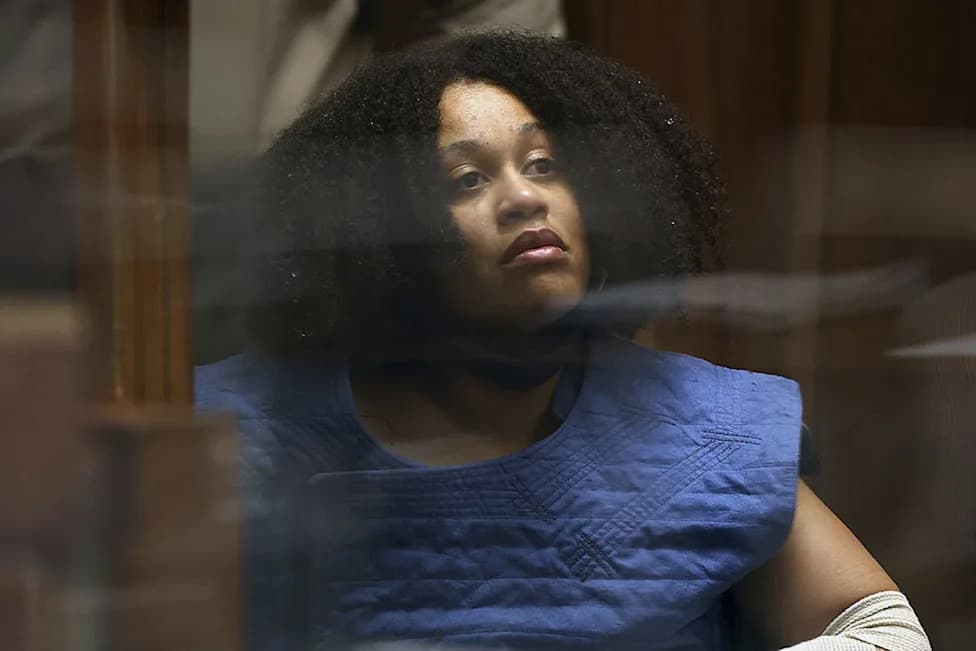
Patrick Byrne, the former Overstock CEO, warned a Trump-appointed federal judge that continuing to enforce a protective order could expose the judge to criminal liability. Judge Carl Nichols refused to lift the protective order, finding Byrne and his counsel had "flagrantly violated" it. Byrne's lawyer, Peter Ticktin, labeled Byrne a "federal whistleblower," invoked alleged whistleblower protections tied to Byrne's intelligence-community work, and warned the court that continued enforcement could constitute obstruction of justice or misprision of a felony. Liberty Vote asked the court to reinstate a motion for default judgment, saying Byrne's conduct is escalating.
‘Federal Whistleblower’ Warning: Ex-Overstock CEO Tells Trump-Appointed Judge He Could Face Criminal Exposure
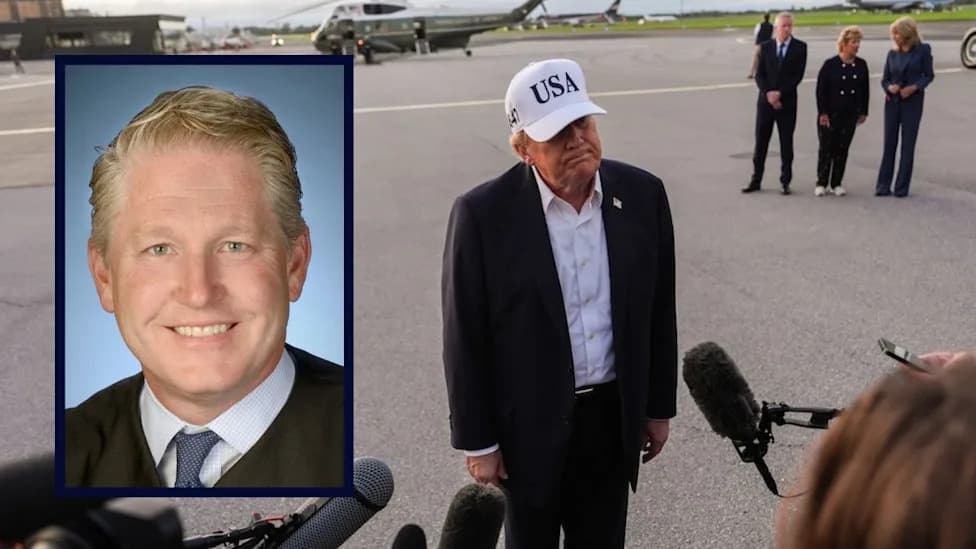
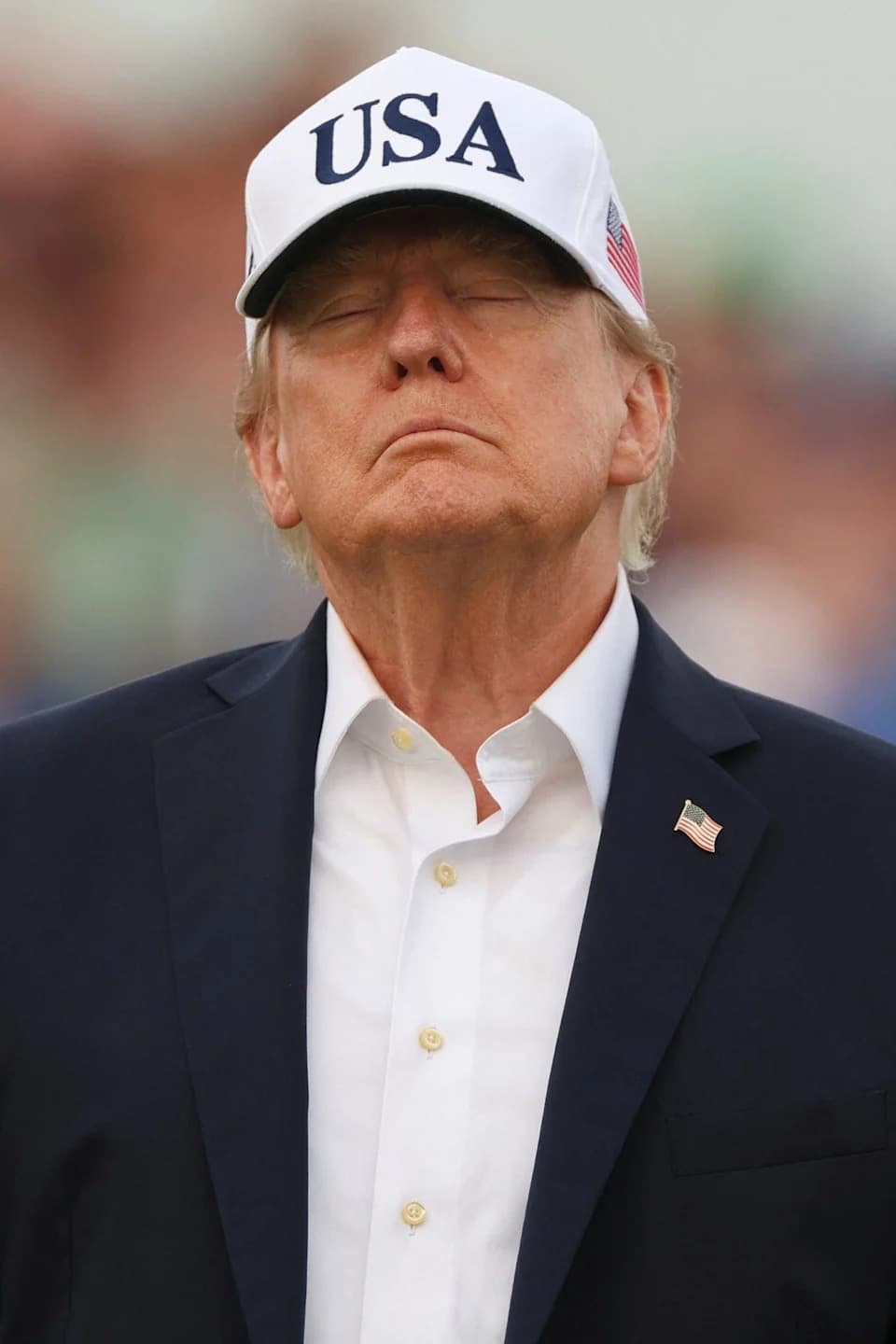
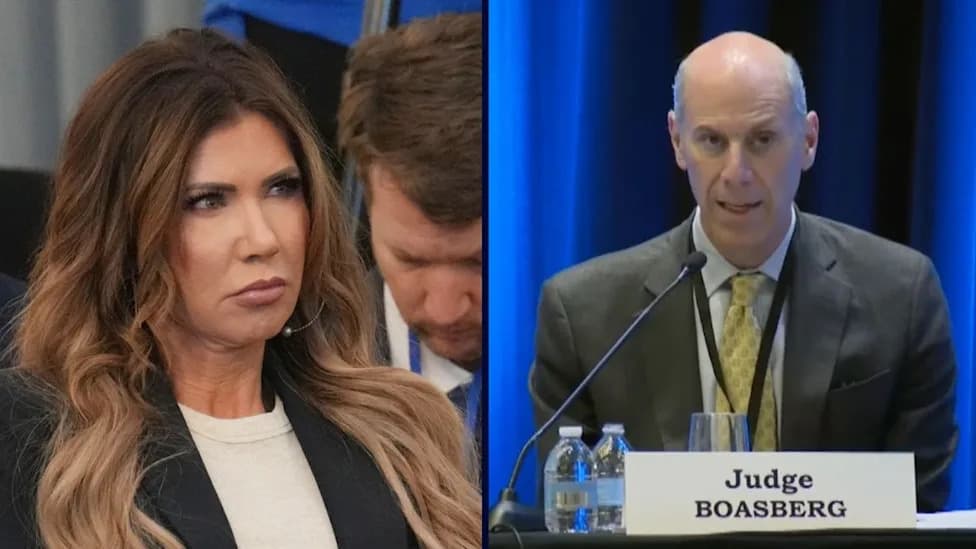
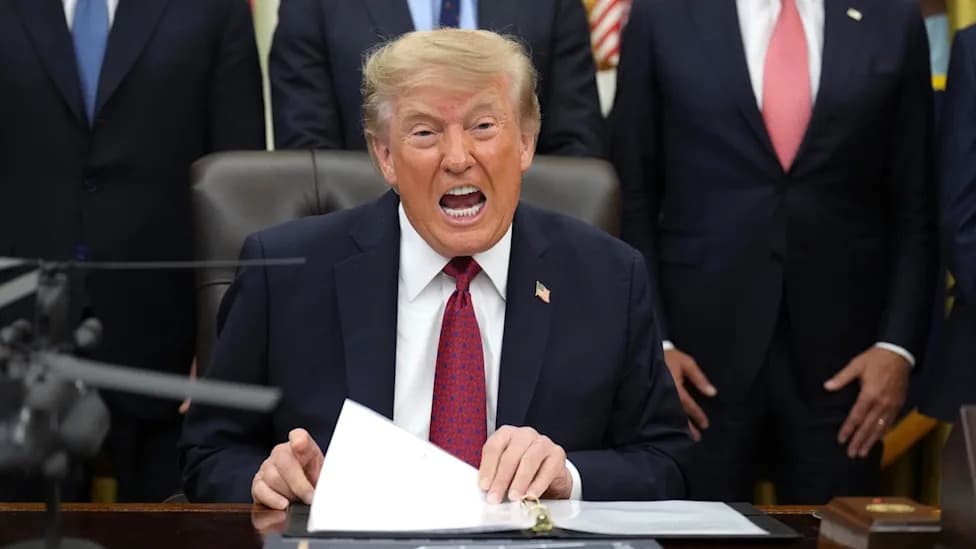
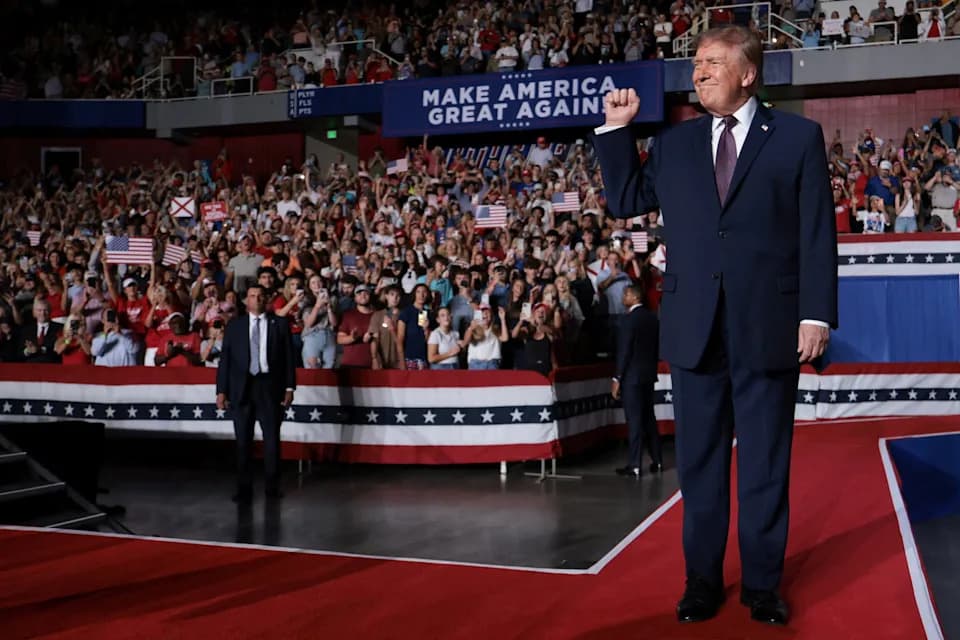
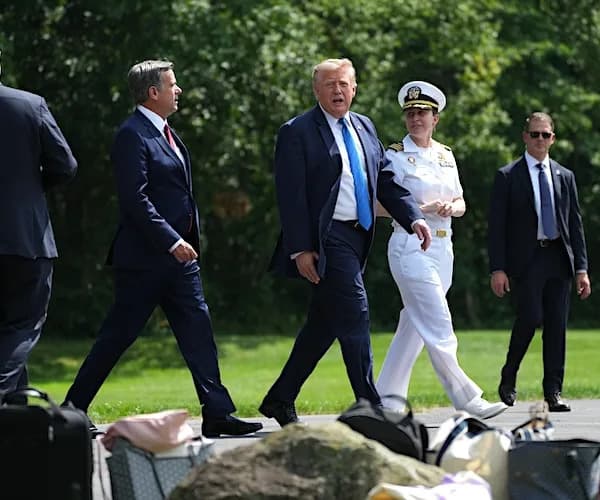
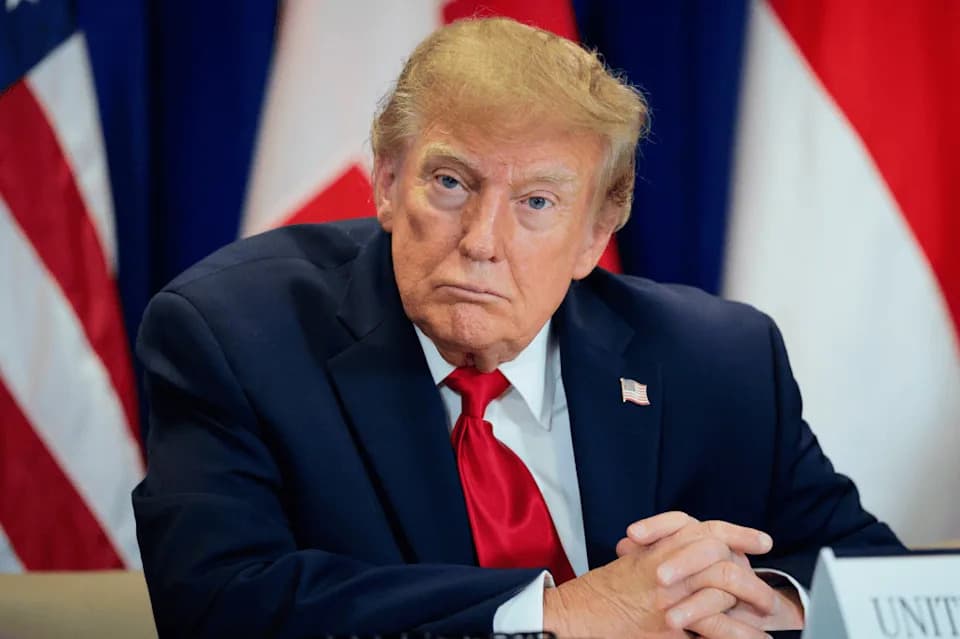
Main: President Donald Trump speaks with reporters before boarding Air Force One at Shannon Airport, Sunday, Sept. 13, 2026, in Shannon, Ireland. (AP Photo/Julia Demaree Nikhinson). Left inset: U.S. District Judge Carl Nichols (U.S. District Court photo).
One day after a federal judge described Patrick Byrne and his lawyers' conduct as an "abuse of the court system" and "frivolous," the former Overstock CEO filed new papers effectively warning the judge that continuing to enforce a protective order could expose the jurist to criminal liability.
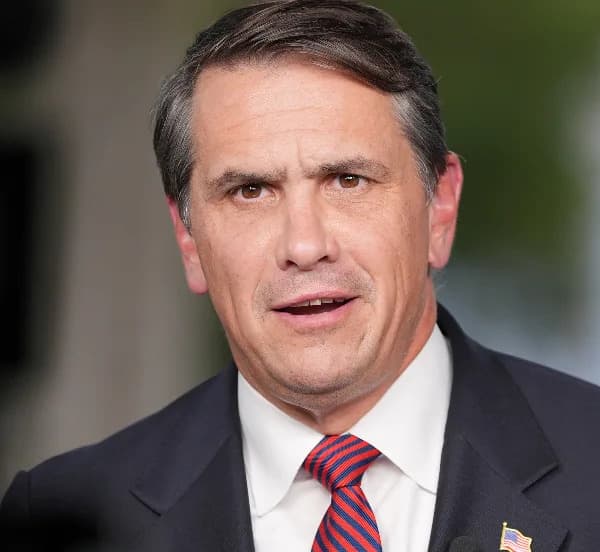
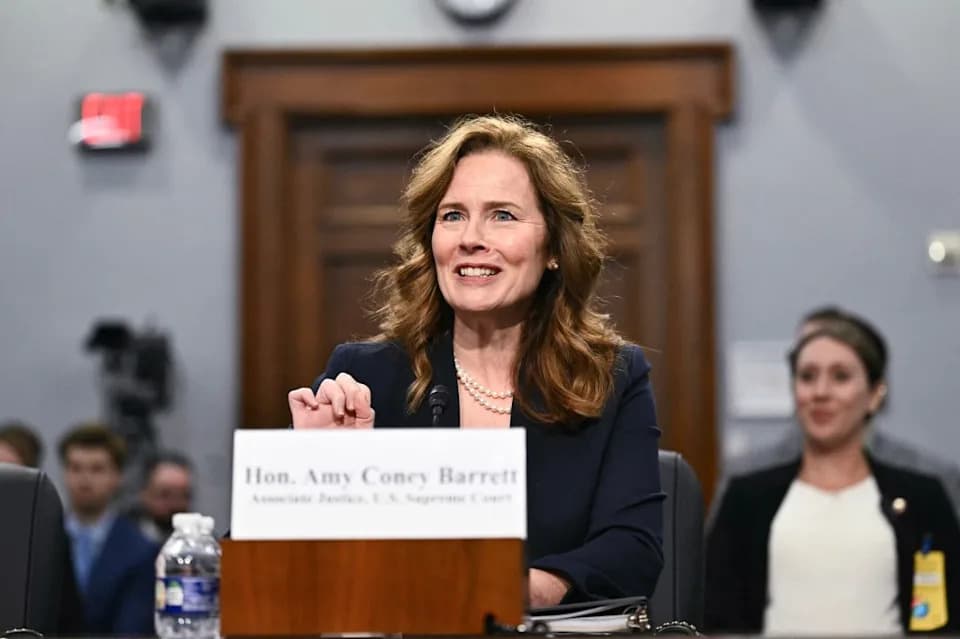
U.S. District Judge Carl Nichols, a Donald Trump appointee in Washington, D.C., has presided over the long-running defamation action that began with Dominion Voting Systems and — after a transfer and sale — now proceeds under the name Liberty Vote, owned by Republican election official Scott Leiendecker's company.
The lawsuit follows Byrne's public and private statements after the 2020 election alleging that an international corporate conspiracy deprived Donald Trump of victory. Dominion sued for defamation in 2021, and the case has produced contentious discovery battles and high-profile filings ever since.
In 2024, a magistrate judge took the rare step of disqualifying Byrne's then-attorney, Stefanie Lambert (the so-called "Kraken" lawyer), citing "intentional, dangerous, and relentless misconduct." That move followed a major discovery breach in which username-and-password access to the entire repository of Dominion's discovery materials was provided to a non-party — a sheriff who has publicly denied the 2020 election results.
Byrne and Lambert defended the disclosure by saying the discovery included emails in "Serbian and foreign languages" that they believed showed criminal conduct by Dominion employees allegedly directing foreign nationals to access U.S. voting machines during the November 3, 2020 election.
After the U.S. Supreme Court declined to intervene to preserve Lambert's role, attorney Peter Ticktin renewed a bid to lift the court's protective order in the Liberty Vote case. Judge Nichols rejected that motion, saying Byrne and his counsel had "flagrantly violated" the protective order and calling the motion "frivolous and an abuse of the court system."
The day after Nichols' ruling, Ticktin filed new papers labeling Byrne a "federal whistleblower" and arguing that Byrne could not be silenced as the 2026 midterm elections approached. The filing asserts Byrne has protections under federal whistleblower laws because of prior work for the intelligence community and contends that only classified materials should be off-limits from disclosure.
"The Department of Homeland Security and the Department of War announced their directives to pursue evidence of foreign interference of the federal election, and to secure the election. Every patriotic citizen, especially judges who have taken their oaths to protect the Constitution of the United States are required to provide any and all evidence they possess…"
Ticktin accused Judge Nichols of an "apparent dereliction of duty" for refusing to reconsider the protective order in chambers and warned that continued enforcement of the order could amount to criminal obstruction or misprision. The filing specifically cites 18 U.S.C. § 1512 (obstruction of justice) and 18 U.S.C. § 4 (misprision of a felony) as possible offenses the court should avoid committing.
Liberty Vote's attorneys quickly responded, telling the court Byrne's misconduct is escalating rather than abating and asking the court to restore their motion for default judgment — including setting a schedule for a reply and a hearing "as soon as practicable."
The dispute highlights a broader tension between defendants' efforts to publicize discovery they characterize as evidence of wrongdoing and courts' obligations to protect sensitive materials and preserve the integrity of litigation. The case remains active; further hearings and filings are expected as the parties press their competing claims.
Help us improve.