Key developments: Sami Abu Shehadeh, leader of the Balad party, withdrew from the upcoming election after the Supreme Court warned he faced likely disqualification over comments about the Gaza war. Critics and rights groups say Arab politicians face harsher scrutiny while far-right figures such as Itamar Ben-Gvir and Bezalel Smotrich remain on the ballot despite incendiary rhetoric. The episode has revived concerns about a two-tier application of the law that could undermine Palestinian citizens' political representation.
Israel Election Controversy: Arab Leader Withdraws Amid Claims Of Double Standard As Far-Right Figures Remain On Ballot
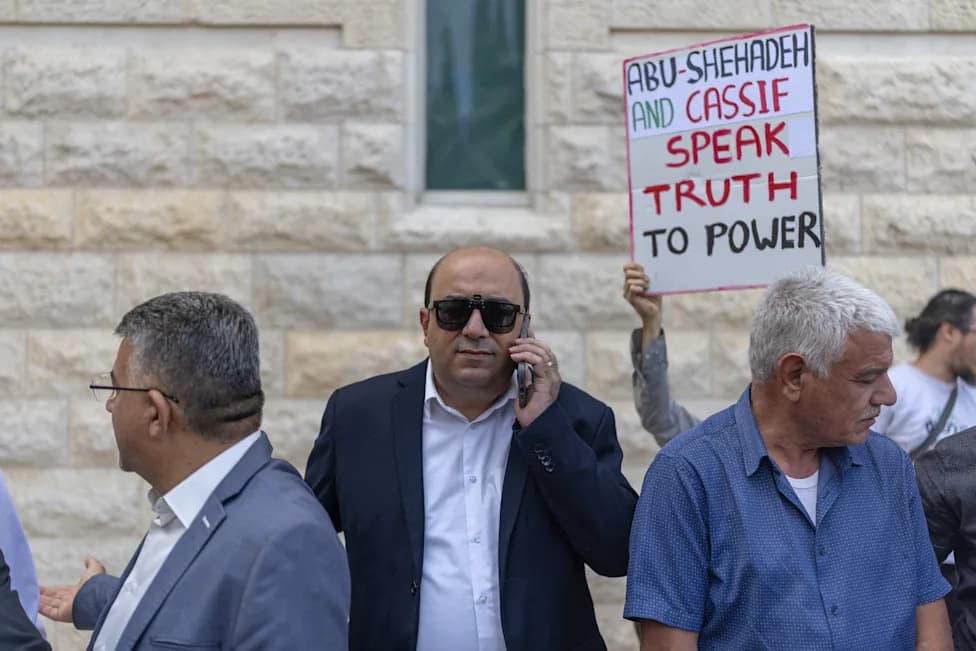
Sami Abu Shehadeh, leader of the Balad party, arrives at the Supreme Court in Jerusalem on October 1, 2026 [AFP]
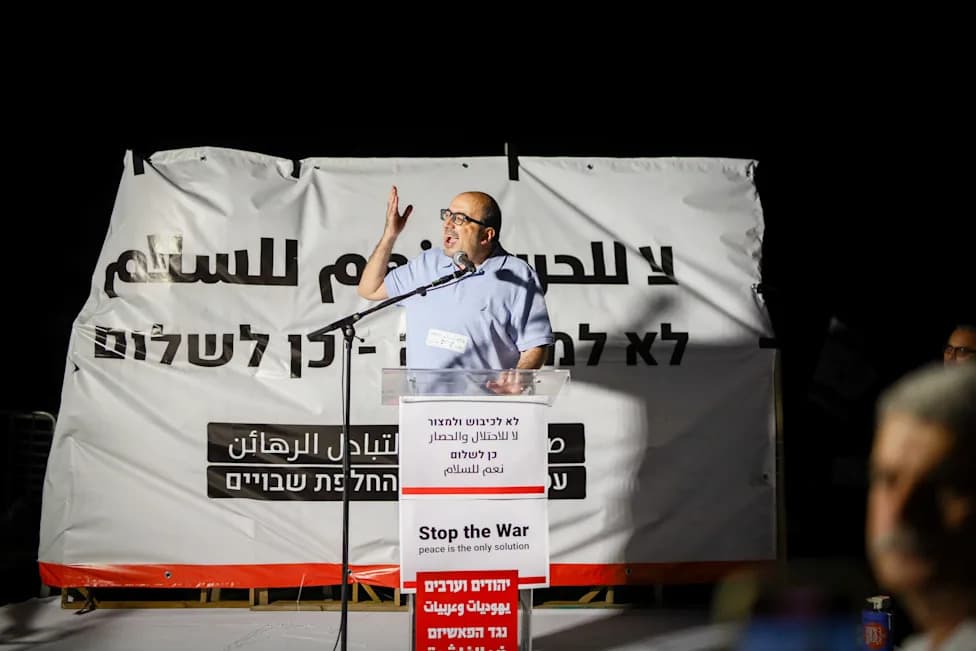
A high-profile dispute over Israel's election process has reignited debate about unequal treatment of Palestinian Arab politicians and far-right Jewish figures. Sami Abu Shehadeh, leader of the Palestinian nationalist Balad party, withdrew his candidacy after the Supreme Court warned he faced likely disqualification over comments he made about the war in Gaza. Critics say electoral authorities have applied a double standard by targeting Arab politicians while allowing far-right leaders accused of incendiary rhetoric to remain on the ballot.
What Happened
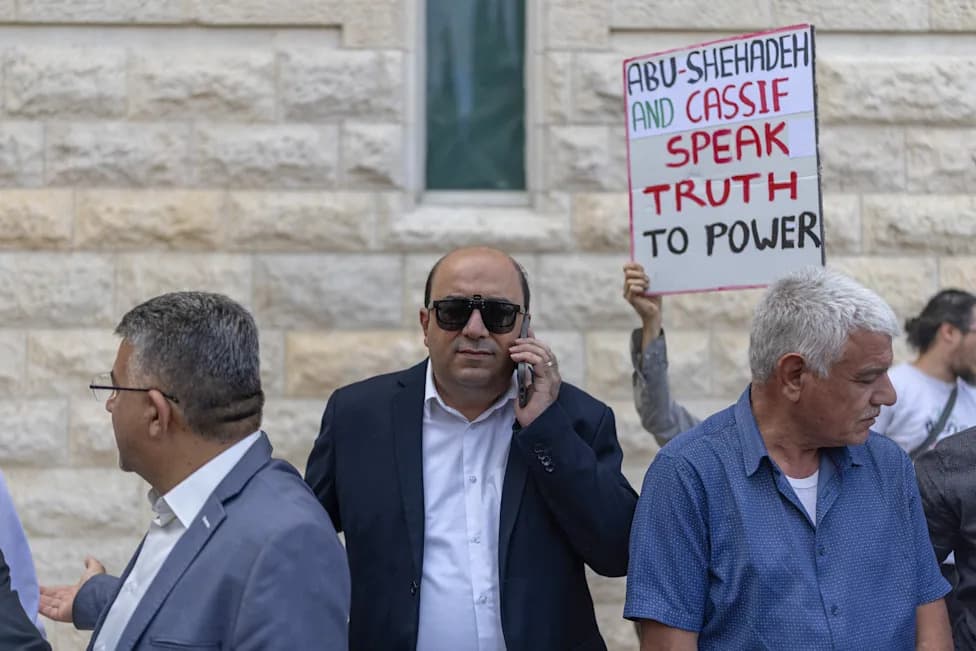
Abu Shehadeh, a historian from Jaffa who served in the Knesset from 2019 to 2022, pulled his name from the race after an advisory from the Supreme Court that he could be disqualified. The Central Elections Committee originally voted to bar him following a challenge by National Security Minister Itamar Ben-Gvir over an article Abu Shehadeh wrote on 8 October 2023—one day after Hamas-led attacks—calling that day "an important historical event." Attorney General Gali Baharav-Miara supported scrutiny of the article, saying some language could be interpreted as endorsing armed struggle.
Legal Battles And Outcomes
Last month the Central Elections Committee also voted to bar Hadash politician Ofer Cassif and the two main Arab-majority lists—the Joint List (including Balad, Hadash and Ta'al) and Ra'am (the United Arab List). The Supreme Court later overturned the bans on the two lists and on Cassif, but Abu Shehadeh withdrew before the court reached a final ruling on his case.
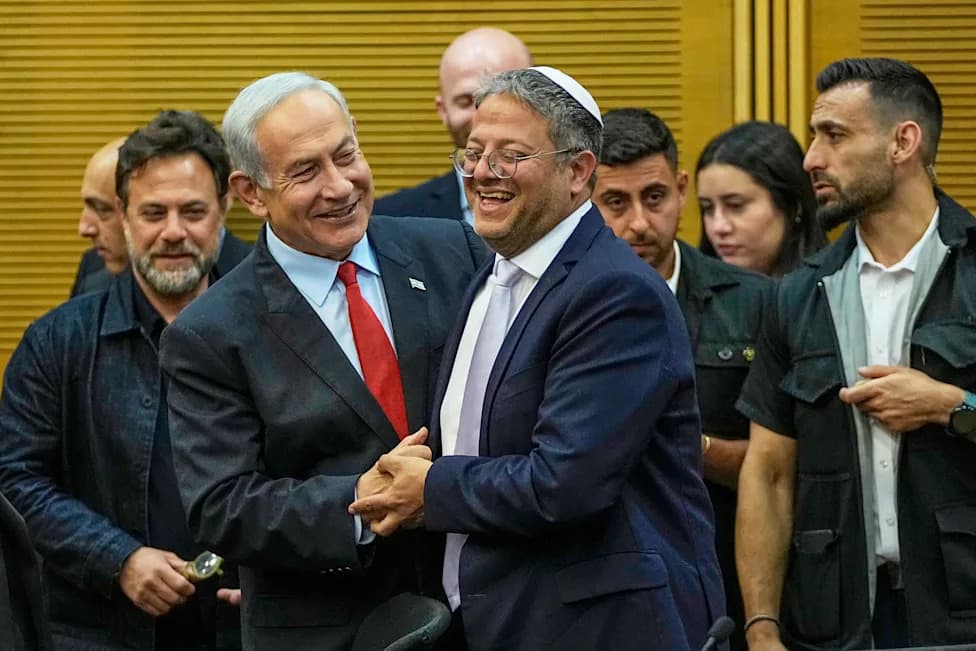
Petitions asking to disqualify the parties of far-right ministers Itamar Ben-Gvir and Finance Minister Bezalel Smotrich were rejected by the Central Elections Committee, and the attorney general said there was insufficient legal basis to exclude those parties under Section 7A of Israel's Basic Law on the Knesset. Section 7A permits barring candidates or lists for rejecting Israel's nature as a "Jewish and democratic state," promoting racism, or backing an armed campaign against Israel.
Accusations Of A Two-Tier System
"Someone [Ben-Gvir] who was calling for starving people to death in Gaza, for preventing medicine, water and food, and supports the occupation and ethnic cleansing in the [occupied] West Bank … was able to disqualify me, a human rights activist for three decades," Abu Shehadeh told Al Jazeera.
Adalah, the legal rights group representing Abu Shehadeh, called his withdrawal "a severe blow" to Palestinian citizens' political representation and said the process was aimed at delegitimising Arab parliamentarians and turning racism into election campaign material. Palestinian analysts and rights groups argued the case exposed a persistent pattern: Arab political speech is more readily treated as an existential threat, while Jewish extremist rhetoric is often accommodated within the political system.
Far-Right Figures And International Reactions
Ben-Gvir and Smotrich have repeatedly drawn criticism for inflammatory remarks about Palestinians. The article reports that in 2025 several Western countries imposed sanctions on the two ministers, accusing them of repeated incitement to violence in the occupied West Bank. Ben-Gvir has proposed what he described as a seven-year plan encouraging "voluntary emigration" from Gaza, telling supporters: "Instead of illusions of peace now, we need actions of emigration now… it's time to pack suitcases." Smotrich has similarly advocated displacement from Gaza and the annexation of parts of the occupied West Bank—positions that have alarmed Palestinian communities and human-rights advocates.
Broader Context And Implications
Observers note this episode is part of a longer history of legal challenges to Arab candidates and lists. Adalah has documented attempts to disqualify Arab parties or candidates across multiple election cycles (2003, 2013, 2015, 2020 and 2022). The Central Elections Committee is made up of representatives of parties from the outgoing Knesset, and the Supreme Court has frequently overturned its decisions.
Palestinian citizens make up roughly 20 percent of Israel's population, yet their turnout has traditionally lagged behind Jewish Israelis. The 3.25 percent electoral threshold to enter the Knesset incentivizes smaller Arab parties to run on joint lists to avoid losing representation entirely. Analysts warn that selective legal pressure and political intimidation risk further marginalising Palestinian voices in Israeli democracy.
What To Watch
- Whether the Supreme Court issues a final ruling on Abu Shehadeh's eligibility.
- How public debate and international attention affect treatment of candidates accused of incitement.
- The impact of this controversy on Palestinian voter turnout and representation in the upcoming election scheduled for October 27.
Help us improve.