Tens of thousands protested across Spain after parliament rejected tenant-protection bills, extending unrest sparked by the eviction of 87-year-old Maricarmen Abascal. The defeated measures would have introduced automatic lease renewals and tightened eviction limits for vulnerable renters. Protesters have occupied a tent city in Madrid, called for a general strike, and intensified pressure on Prime Minister Pedro Sánchez’s fragile minority government.
Mass Protests Grip Spain After Parliament Rejects Tenant-Protection Bills

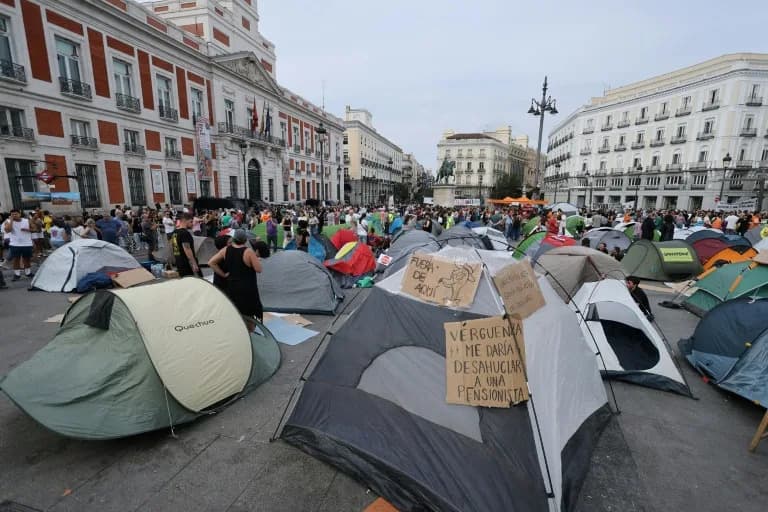
The rejection of housing relief measures infuriated protesters who marched in Madrid and other cities (JAVIER SORIANO)
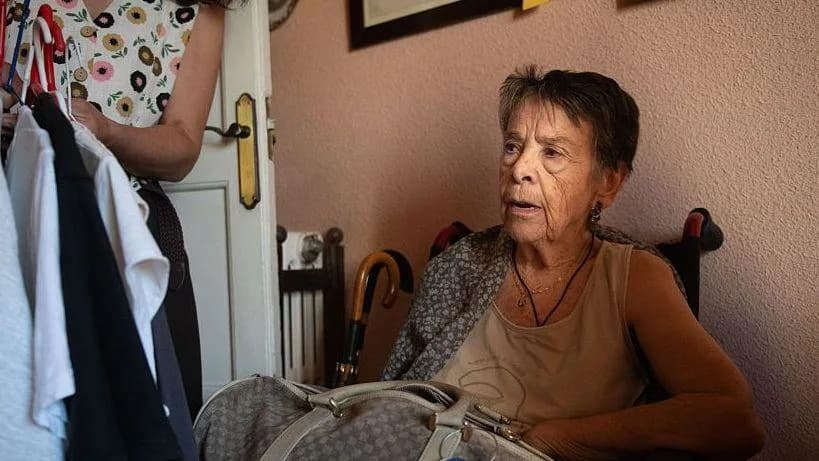
Tens of thousands of people marched in Madrid and other Spanish cities on Saturday to demand stronger protections for renters, a day after parliament rejected proposed tenant-relief measures. The demonstrations follow more than a week of unrest sparked by the forced eviction on Sept. 23 of 87-year-old Maricarmen Abascal from her longtime Madrid home.
What Happened
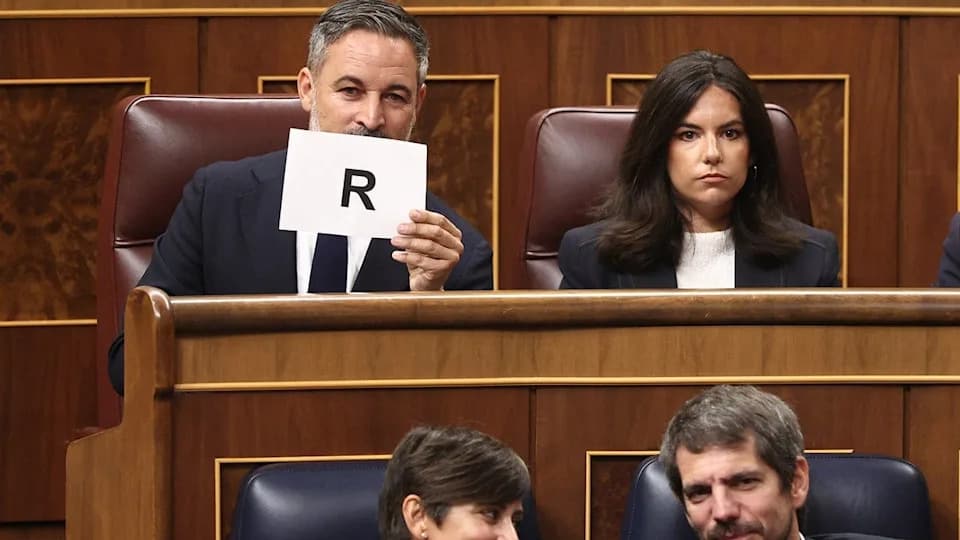
Prime Minister Pedro Sánchez’s minority government proposed laws that would have included automatic renewal of tenancy contracts and limits on evicting vulnerable renters. The bills were defeated after the Catalan party Junts — on whose support Sánchez depends — joined the main opposition Popular Party (PP) and the far-right Vox in voting them down.
Protests, Tent City and Rising Anger
Hundreds of activists have been living in a tent city in central Madrid set up to press for urgent housing reform. Authorities estimated about 70,000 people took part in Saturday’s demonstrations in the capital; organisers put the figure as high as 500,000. Protest leaders, including spokespeople from the Tenants' Union, have renewed calls for a general strike and continued street pressure.
“Now begins real politics — politics which has always belonged to the people and which will return once and for all to the streets,” said Valeria Racu of the Tenants' Union, urging sustained action.
Voices From the Streets
Young renters described soaring costs as unsustainable. Marcos Sainz, 26, said he once shared a two-bedroom for €900 a month but now finds one-bedrooms often list for around €1,000 — roughly half the median monthly salary in Madrid. Javier, a 31-year-old solar-panel installer, said he spends half his wages on a tiny room and called decent housing “a fundamental right.”
Wider Context
Housing affordability has been a growing concern across Spain: average rents have nearly doubled over the past decade and asking prices for homes have risen about 90%, according to real-estate site Idealista. Abascal’s eviction — after an investment firm bought her building and sought a 275% rent increase — crystallised long-running frustration and prompted a broader public backlash that pressured the new owners to allow her to return at a reduced rent.
Political Fallout
The parliamentary defeat is a setback for Sánchez and has intensified questions about whether his minority coalition can last until the next scheduled general election in 2027. PP leader Alberto Núñez Feijóo immediately called on Sánchez to call early elections, arguing the government lacks support both in the streets and in parliament. Recent polls generally show the PP ahead of the Socialists.
What To Watch Next: whether tenant groups sustain pressure with strikes and occupations, if the government revises its proposals, and whether the political crisis prompts new negotiations or an early election call.
Help us improve.