Spain's socialist government has proposed allowing local councils to impose escalating surcharges on vacant properties: 50% after two years and 100% after three, with a 150% cap for owners of multiple homes. The draft also targets short-term holiday lets with higher council tax powers and a new 10% VAT on holiday rentals. The measures are part of a broader package that includes anti-eviction protections and support for first-time buyers, introduced after high-profile evictions and widespread protests.
British Expats Could Face 100% Tax Penalty If Spanish Homes Remain Empty for Three Years
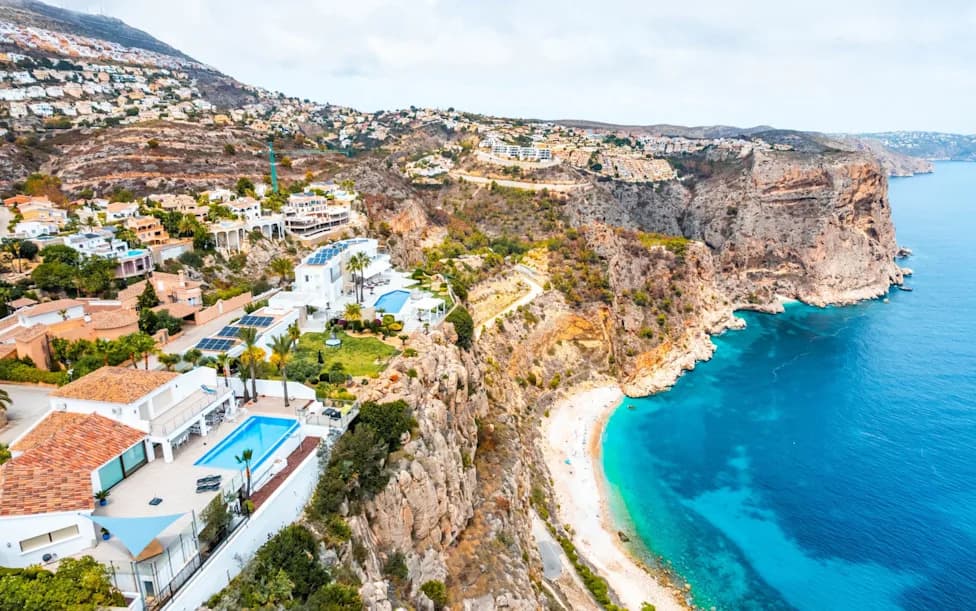
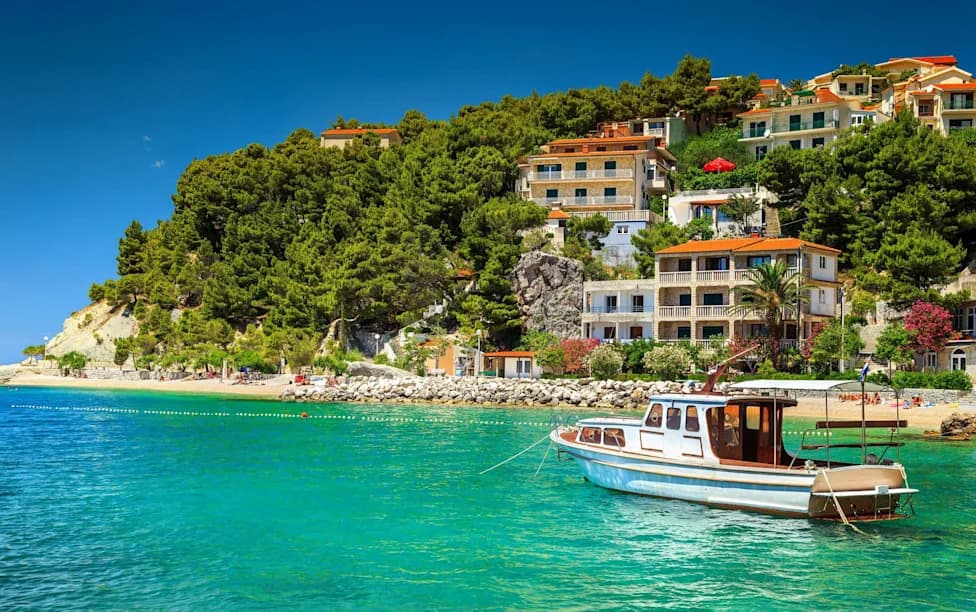
Spain is tightening rules around foreign-owned property as it tackles a housing shortage - Artur Debat
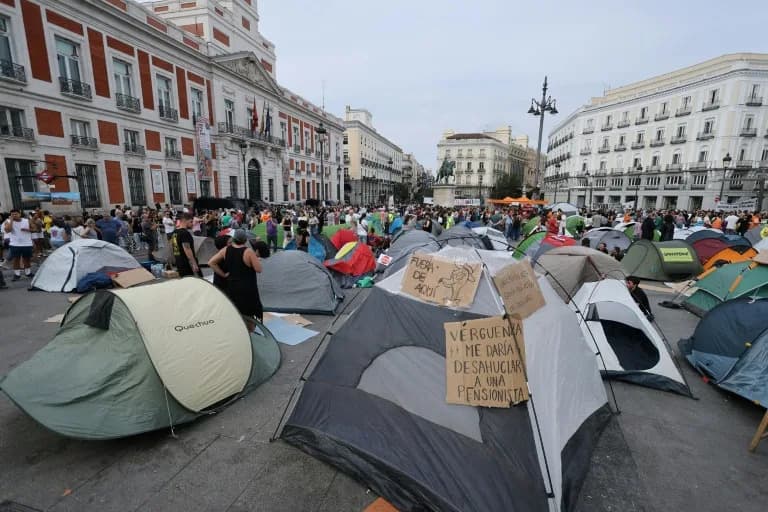
British nationals who own property in Spain could face steep new penalties under a draft law that lets local councils surcharge annual property tax for vacant homes. The proposal, announced by Spain's socialist government, is part of a wider package of housing measures introduced after nationwide protests over evictions and rising rents.
What the Proposal Would Do
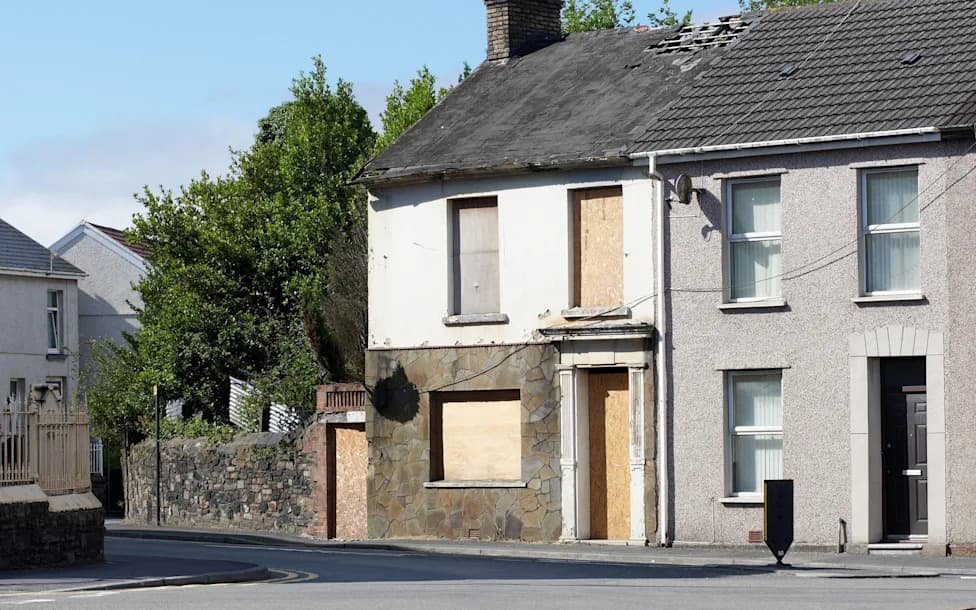
Under the draft legislation, municipalities would be permitted to add a 50% surcharge to the annual property tax (IBI) on homes left empty for two years, rising to a 100% surcharge after three years. For owners of two or more properties, the maximum surcharge could reach 150%, according to official documents.
IBI (Impuesto Sobre Bienes Inmuebles) is Spain's annual property tax, broadly comparable to council tax in the UK. The charge is calculated from a central government valuation and multiplied by local rates, which typically range from 0.4% to 1.3%.
Measures Targeting Holiday Lets
The draft law would give town halls in overtourism-affected areas powers to raise local taxes on short-term holiday rentals and would introduce a 10% VAT on holiday lets. Alex Radford, a lawyer at My Lawyer In Spain, told The Telegraph this gives councils room to penalise tourist rentals but described the change as a stopgap:
"This is a plaster. Spain needs to build more properties and make the planning permission process more efficient and quicker."
Other Proposed Protections and Incentives
The package also includes proposals for stronger anti-eviction measures, automatic renewal of rental contracts and support for first-time buyers. These measures must still be approved by Congress.
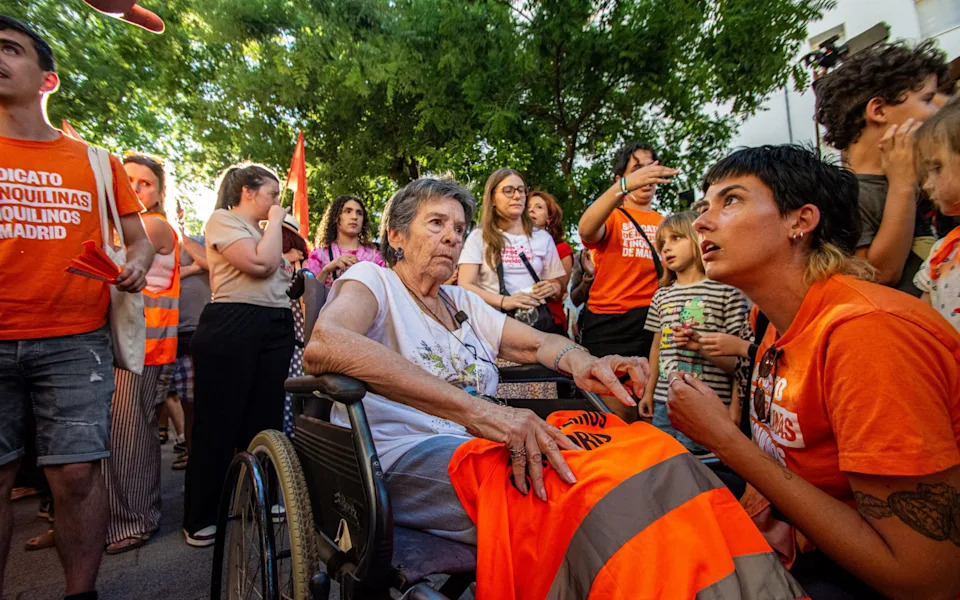
Maricarmen Abascal was evicted from her home, in which she had lived for 70 years - Francesco Militello Mirto/NurPhoto/Getty
As part of an incentive to return empty homes to use, owners who sell vacant properties to the Spanish authorities would pay no capital gains tax on sales under €200,000, with reduced charges for sales on properties valued below €800,000.
Context: Protests and a High-Profile Eviction
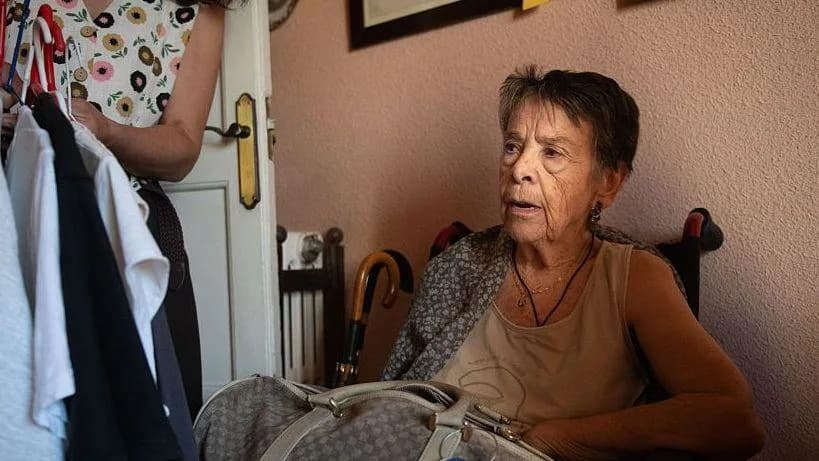
The proposals followed public anger after the eviction on Sept 23 of 87-year-old Maricarmen Abascal, who was removed from the flat where she had lived for seven decades after failing to meet rent demands exceeding €1,500 — reportedly more than three times her previous rent. Ms Abascal later returned after agreeing a new deal with property company Urbagestión, which bought the flat in 2018.
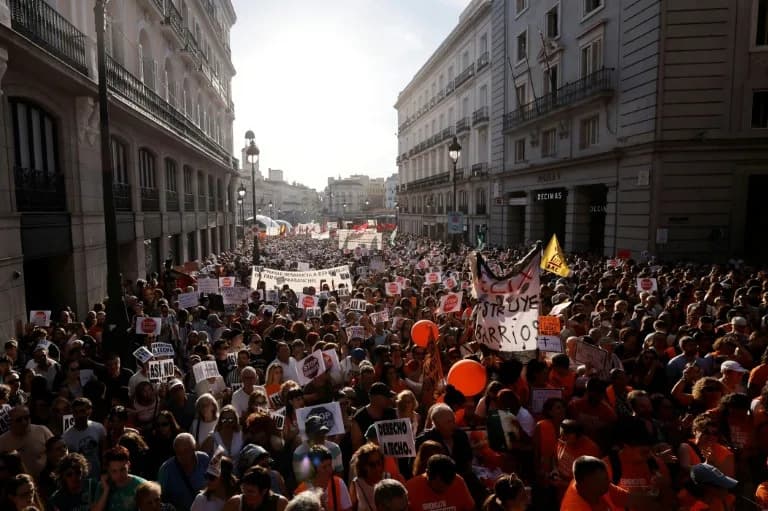
Wider protests over the housing crisis and the growth of short-term holiday lets began in April 2024 in cities including Barcelona, Málaga and San Sebastián and in parts of the Canary Islands.
Additional Tax Notes for Buyers and Sellers
Buyers in Spain typically pay a transfer tax of up to 9% on property purchases, plus stamp duty and VAT where applicable. The draft rules on surcharges and sale incentives aim to steer vacant stock back into the market and to curb the impact of tourist rentals on local housing supply.
Political Reaction
Isabel Rodríguez, Spain's housing minister, framed the legislative package as a response to public concern and a way to honour the case of Ms Abascal:
"Congress has the opportunity to tell Maricarmen that her suffering was worth it ... and that many people will benefit from her battle."
These proposals remain subject to parliamentary approval and could be amended before becoming law.
Help us improve.