Spain's parliament rejected emergency housing decrees aimed at banning evictions for vulnerable tenants, extending a rent freeze and tightening short-term rental rules, prompting renewed protests and an encampment in central Madrid. The measures fell after Catalan party Junts joined the opposition, undermining Prime Minister Pedro Sánchez's fragile coalition. The eviction of 87-year-old Maricarmen Abascal has galvanized activists and the Tenants' Union, which has vowed further rallies and raised the prospect of a general strike.
Parliament Rejects Housing Decrees as Protests Grow — Madrid Encampments and Calls for General Strike

A demonstrator holds a sign with the slogan 'Fair rents now' during a protest at Puerta del Sol square after a parliamentary vote on two government decrees approved by the cabinet this week containing a package of social and housing measures, including protections against evictions of vulnerable tenants until 2030, in Madrid, Spain, October 2, 2026. REUTERS/Alejandro Martinez Velez
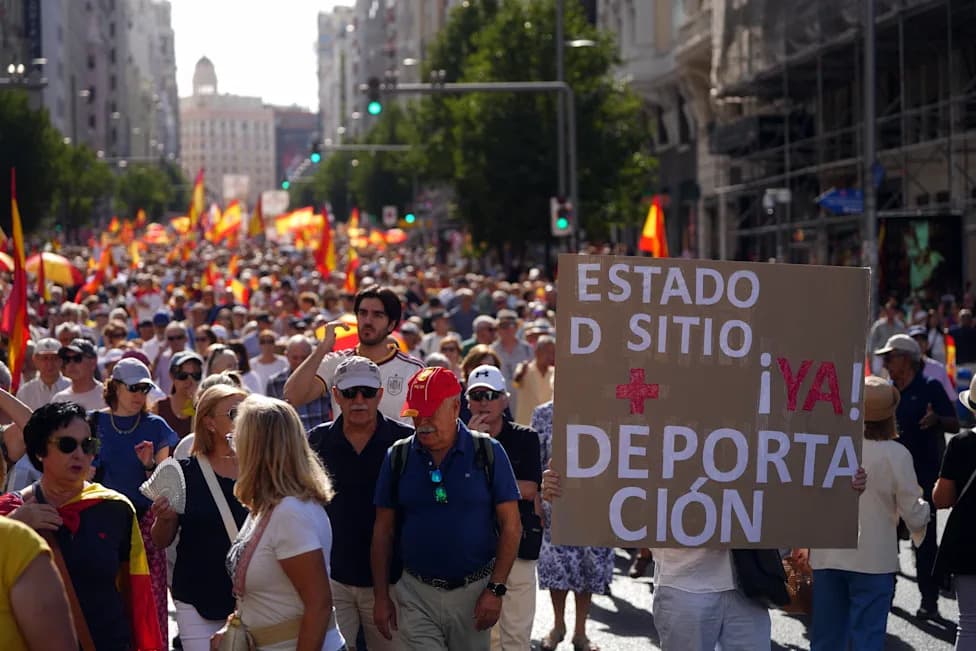
Protesters vowed to stay on the streets nationwide and maintain an encampment in central Madrid after lawmakers on Friday rejected emergency government measures designed to ease a mounting housing crisis.
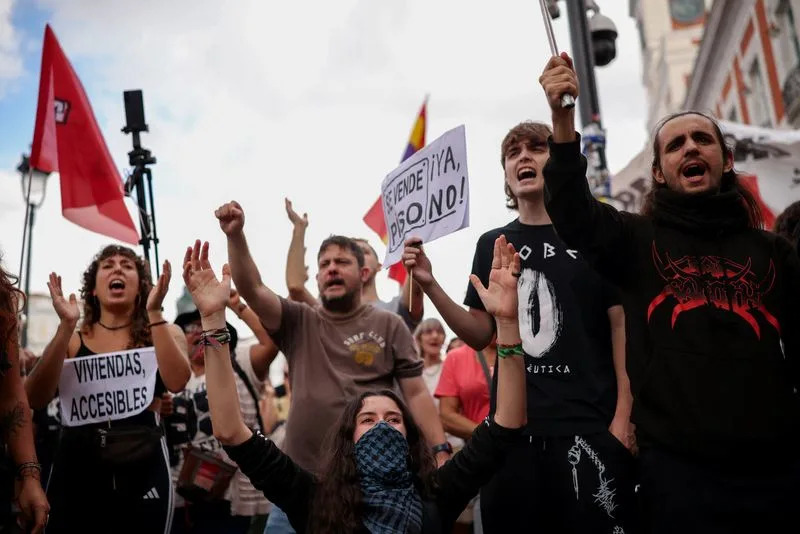
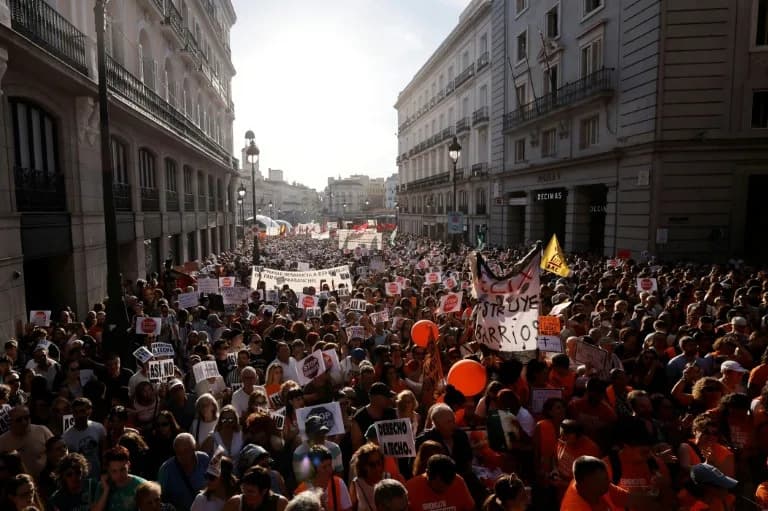
Demonstrators protest after a parliamentary vote on two government decrees approved by the cabinet this week containing a package of social and housing measures, including protections against evictions of vulnerable tenants until 2030, in Madrid, Spain, October 2, 2026. REUTERS/Alejandro Martinez Velez
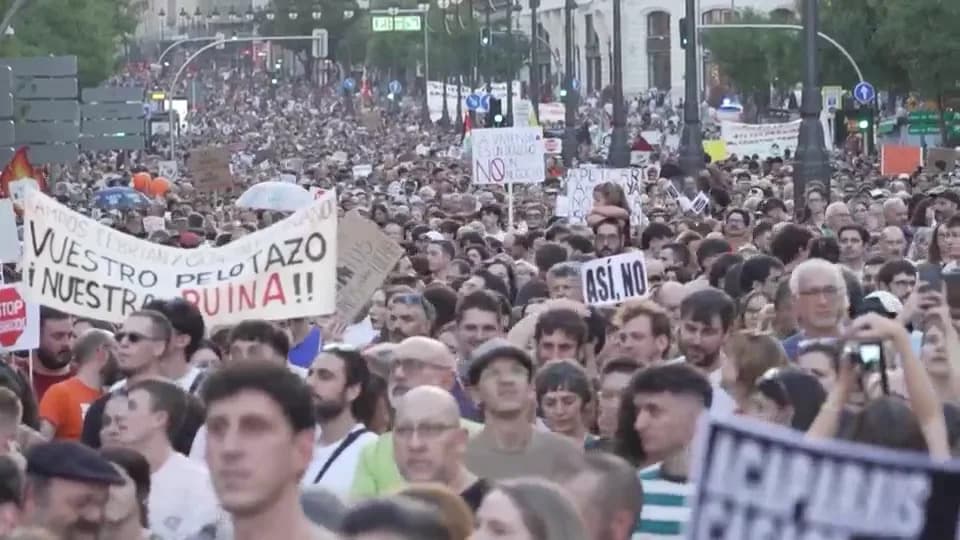
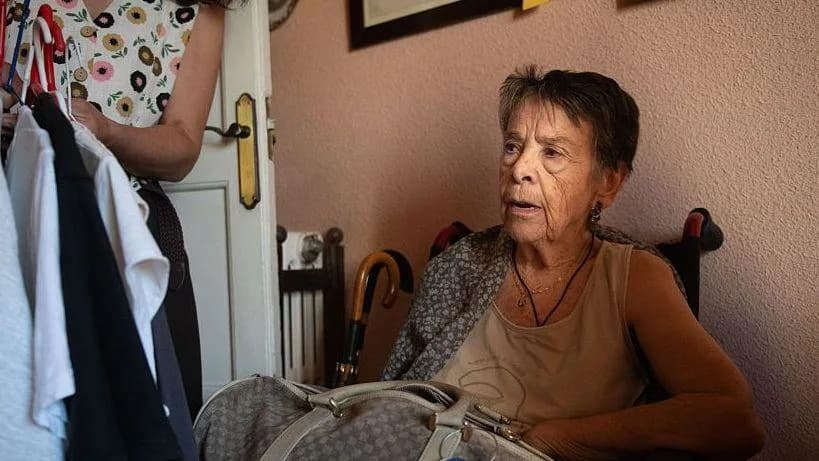
Outside the parliament, demonstrators chanted "your profits, our misery" as the minority government's decree — drafted in response to outrage over the eviction of an 87-year-old woman, Maricarmen Abascal — failed to win approval.

Protesters take part in a demonstration, during a vote in the Spanish parliament on housing decrees, as thousands of demonstrators camp in Madrid's main square and other Spanish cities, demanding that lawmakers swiftly approve new measures to protect tenants and tackle the country's housing crisis, in Madrid, Spain, October 2, 2026. REUTERS/Violeta Santos Moura
What Was in the Decrees
The blocked legislation would have banned evictions of vulnerable tenants until 2030, extended a two-year rent freeze for existing leases and introduced tighter rules for short-term holiday rentals. A second proposed decree that would have allowed automatic, indefinite renewal of rental contracts was also defeated.
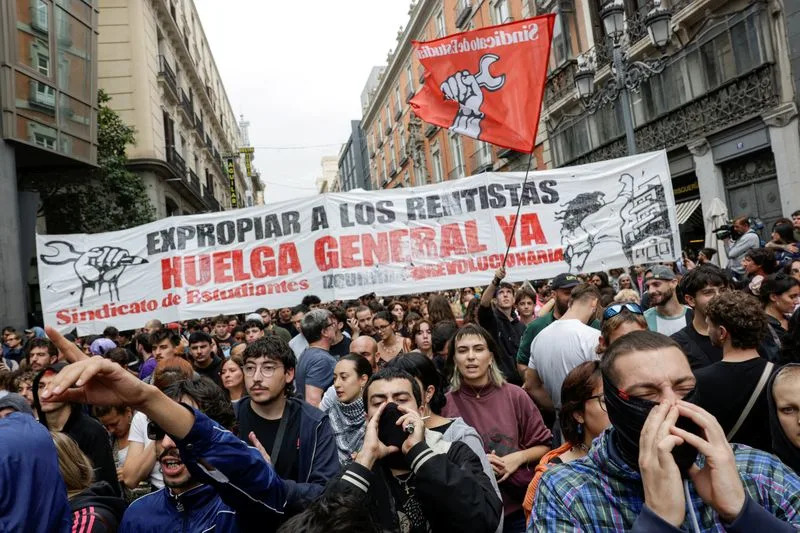
Protesters gather outside the Spanish parliament during a vote on housing decrees, as thousands of demonstrators camp in Madrid's main square and other Spanish cities, demanding that lawmakers swiftly approve new measures to protect tenants and tackle the country's housing crisis, in Madrid, Spain, October 2, 2026. REUTERS/Violeta Santos Moura
Why the Measures Failed
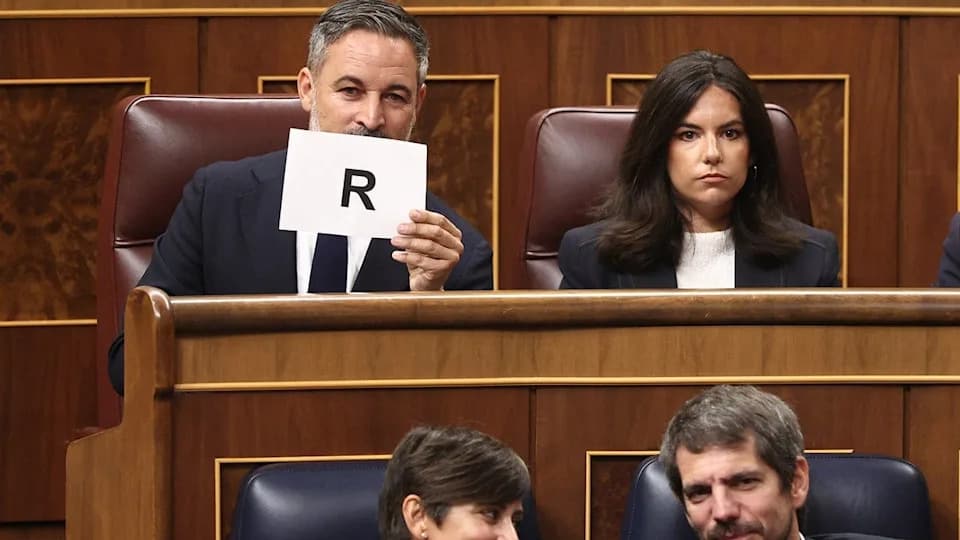
Lawmakers from Catalan separatist party Junts — a sometime supporter of the left-wing coalition — sided with the opposition, arguing that the decrees would reduce housing supply and ultimately make the problem worse. That withdrawal of support deprived Prime Minister Pedro Sánchez's coalition of the backing it needed to pass the emergency measures; the coalition holds 147 seats in the 350-seat chamber and relies on smaller parties to govern.
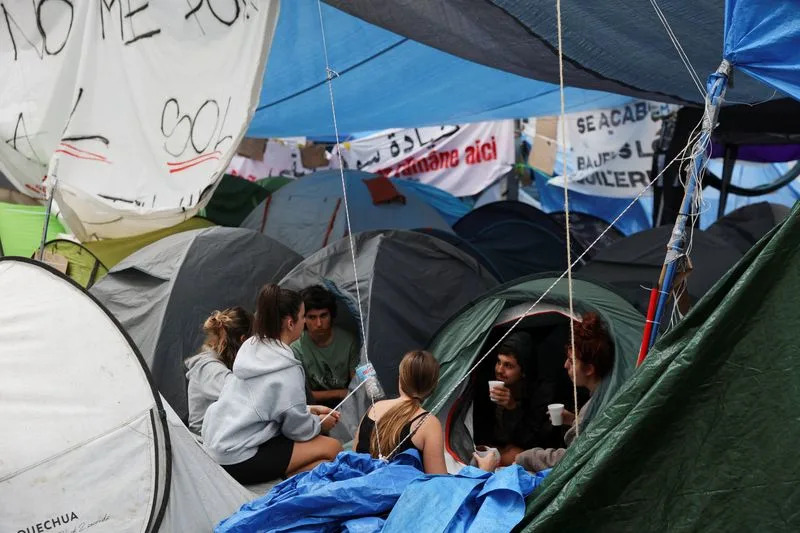
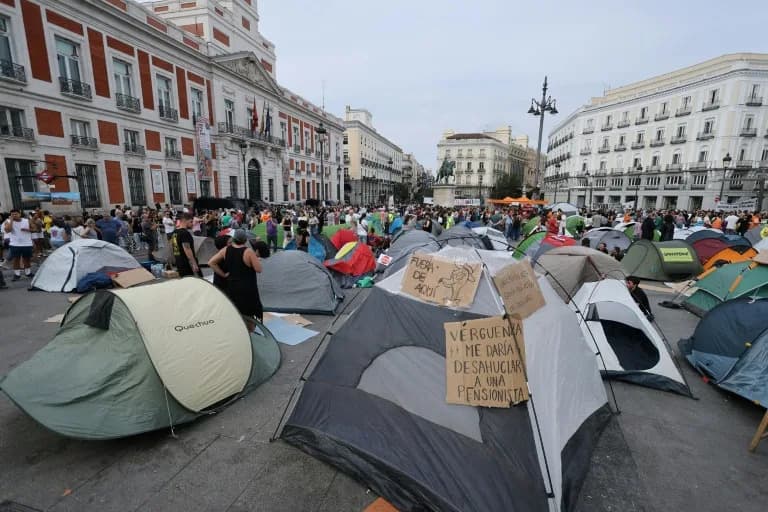
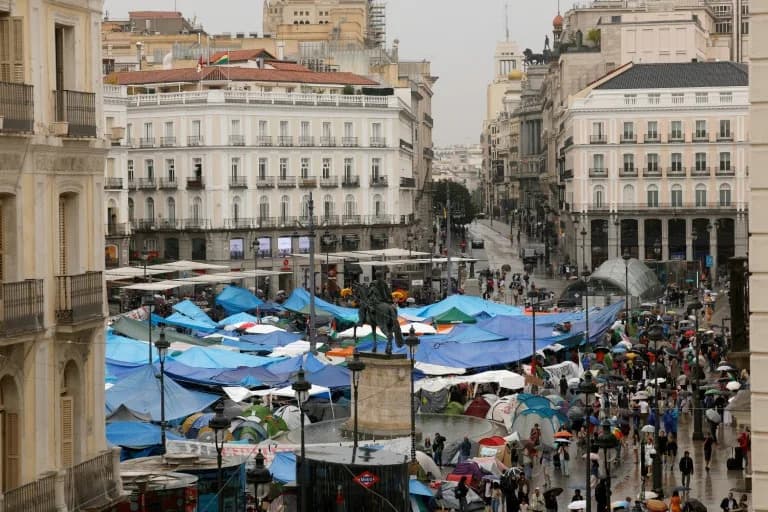
Demonstrators drink while camping in Puerta del Sol square, demanding political action to stop evictions and address the housing crisis, following the eviction of an 87-year-old woman from her home, in Madrid, Spain, October 2, 2026. REUTERS/Juan Medina
"Finding housing will become more difficult every day. Our responsibility is to provide certainty, not uncertainty," said Junts spokesperson Miriam Nogueras.
Public Reaction and Protests
The eviction of pensioner Maricarmen Abascal last week has reignited nationwide anger at rising housing costs. Young people pitched tents in Madrid's central square and in other cities for nearly a week, evoking memories of the anti-austerity occupations after the 2008-12 financial crisis. The Tenants' Union said the encampment would expand and pledged further mass rallies, with a spokeswoman saying, "We're aiming for a general strike."
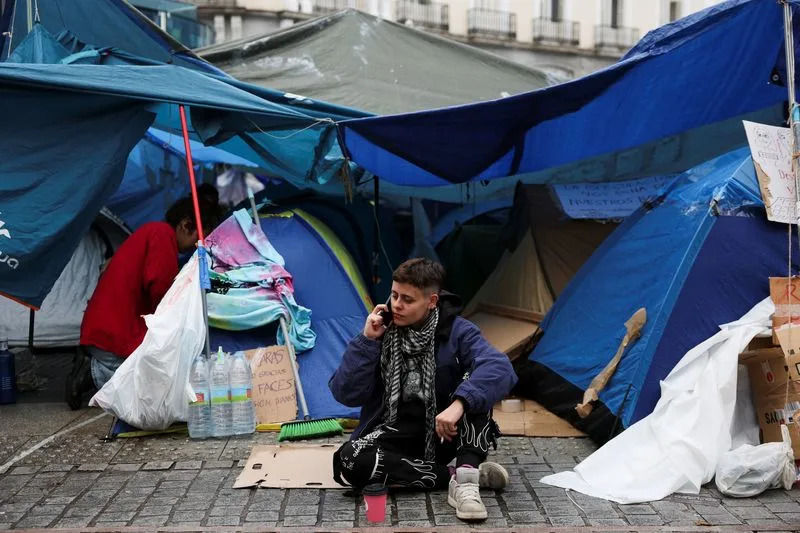
A demonstrator uses phone while camping in Puerta del Sol square, demanding political action to stop evictions and address the housing crisis, following the eviction of an 87-year-old woman from her home, in Madrid, Spain, October 2, 2026. REUTERS/Juan Medina
Political Fallout
Opposition parties, including the main centre-right People's Party (PP), also opposed the measures. PP lawmaker Juan Bravo argued that affordability comes from building more housing rather than emergency decrees. Analysts say the episode increases the possibility of a snap election; Spanish media reported Prime Minister Sánchez might call a November vote if the legislation failed, though his office declined to comment.
Context And Data
The eviction has tapped into broader frustration: rents have roughly doubled over the past decade in many areas, with average monthly rents reported at €1,176 — about $1,323 — which the Youth Council of Spain says amounts to approximately 98.7% of the average salary for a young person. Many young adults now live with their parents into their thirties, and housing affordability has become a defining social and political issue.
The debate reflects a wider dilemma for Spanish policymakers: balancing tenant protections and short-term relief with incentives for landlords and builders to increase supply. With small-party alliances proving decisive, further negotiations — or potentially an early election — appear likely as politicians respond to public anger on the streets.
Exchange Rate: $1 = 0.8890 euros.
Help us improve.