The University of Cambridge has seen a near threefold increase in students awarded exam adjustments for ADHD, rising to 865 in Easter term 2025 from 320 in 2022. Overall, almost one in four students (3,507) received Examination Access Arrangements in 2024–25, including extra time, rest breaks and the use of computers. The university attributes the rise to increased diagnosis and a 2023 neurodiversity screening service, while critics warn of potential abuse and long-term academic consequences.
Cambridge Sees Nearly Threefold Rise In Exam Adjustments For ADHD — Concerns And Causes
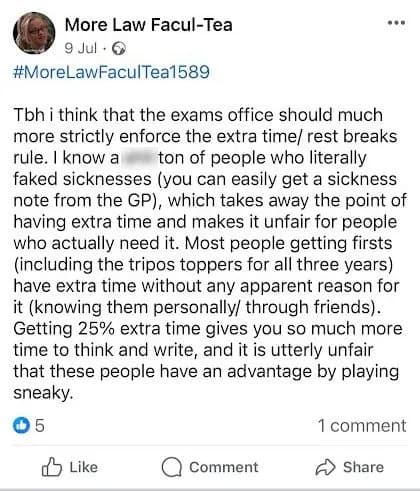
Cambridge students have been anonymously complaining about their peers who receive extra time topping their law classes
The University of Cambridge has recorded a sharp increase in students receiving formal exam adjustments for ADHD and other conditions, with 865 students granted "reasonable adjustments" in the Easter term of 2025 compared with 320 in the same term in 2022.
What Changed?
The university report shows that almost one in four students — 3,507 in total — received Examination Access Arrangements (EAAs) in the 2024–25 academic year, up from 2,075 in 2021–22. EAAs can include a blanket 25% extra time for examinations, scheduled rest breaks, and permission to use a computer for otherwise handwritten papers.
Drivers Of The Increase
Cambridge says the rise reflects a combination of factors: a growing recognition of non-visible disabilities such as neurodivergence and mental-health conditions, an expansion of diagnostic and screening services, and the university's legal duty to provide reasonable adjustments to disabled students. The university introduced a neurodiversity screening service in 2023 that it says has helped identify previously undetected learning differences, ADHD and autism and has contributed evidence supporting EAA applications.
Which Subjects Are Affected?
Data obtained under a freedom of information request indicate that law has the highest proportion of students receiving EAAs: more than one in three undergraduate law students were awarded adjustments in 2024–25. English literature and natural sciences also report high numbers of adjustments. Students and peers have raised concerns about the strict timing of certain exams — notably three-hour law papers — and whether extra time can alter classroom rankings.
Numbers And Trends
Specific increases include awards related to ADHD, anxiety and similar conditions rising from 473 in Easter term 2022 to 616 in Easter term 2025. Adjustments for obsessive-compulsive disorder rose to 112 in Easter 2025 from 52 in 2022. Overall EAAs increased to 3,507 in 2024–25 from 2,075 in 2021–22.
Perspectives And Concerns
“Exams are meant to be unpleasant... they are important in testing both knowledge and character,” said Douglas Hedley, Professor of the Philosophy of Religion at Clare College, reflecting worries that accommodations may change the nature of assessment.
“It's now normal for people to ask for extra time,” added Frank Furedi, Emeritus Professor of Sociology, warning that widespread reliance on adjustments could reduce students' ability to work under timed pressure.
Other voices — including student posts seen by the press — have alleged abuse, with some claiming peers exaggerate or fabricate symptoms to secure an advantage. The university and medical professionals caution against assuming widespread fraud and emphasise the role of medical evidence and formal assessment procedures.
Context And Policy
Officials point to broader social and medical trends: rising awareness of mental health and neurodivergence, increased diagnosis rates, expanded specialist clinics (including private assessment services), and public discussions about potential overdiagnosis. At the same time, policymakers have expressed concern about diagnostic trends; a review into possible overdiagnosis of mental health conditions was ordered in response to national rises in diagnoses.
University Response
A Cambridge spokesperson stressed the university's legal duty to ensure equality of opportunity and improved outcomes for disabled students, noting that students requesting EAAs must provide evidence of a disability. The university said its neurodiversity screening service helps identify students who may benefit from support and provides documentation that can underpin EAA applications.
Bottom line: The number of students receiving exam adjustments at Cambridge has risen substantially in recent years. The increase reflects a mix of greater diagnosis and screening, legal and institutional responsibilities, and broader social trends — alongside ongoing debate about fairness, academic standards and potential misuse.
Help us improve.