Greek Prime Minister Kyriakos Mitsotakis used a Thessaloniki ceremony to reiterate that the Parthenon Sculptures must be reunited to preserve the monument’s integrity and cannot be considered spoils of war. The event accompanied a historic bilateral exchange: remains attributed to Tsar Samuel will return to Bulgaria, while Greece receives 48 ecclesiastical artefacts taken in 1917. The artefacts will be displayed at the Museum of Byzantine Culture until 5 November 2026 before final repatriation.
Mitsotakis: Greece Will Not 'Borrow' Its Treasures — Pushes Reunification of Parthenon Sculptures During Historic Exchange With Bulgaria
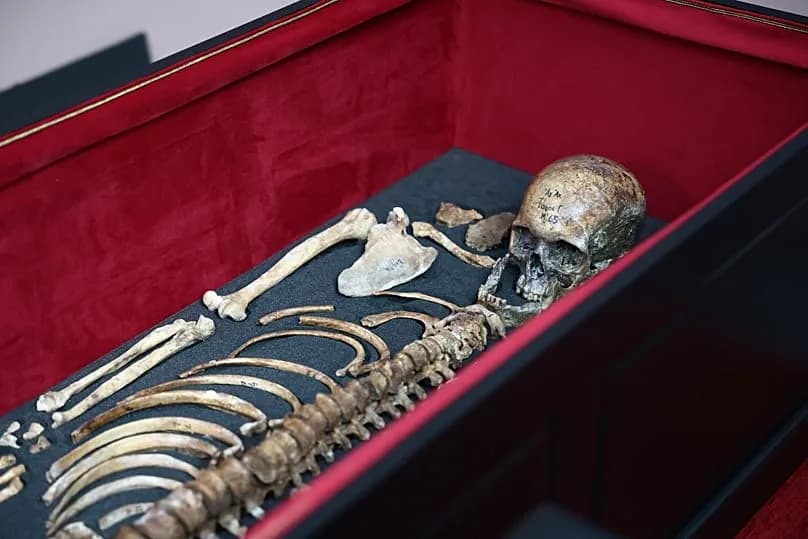
The remains of Tsar Samuel (997-1014), during the protocol-signing ceremony - ΑΠΕ-ΜΠΕ/ΑΠΕ-ΜΠΕ/ΑΧΙΛΛΕΑΣ ΧΗΡΑΣ
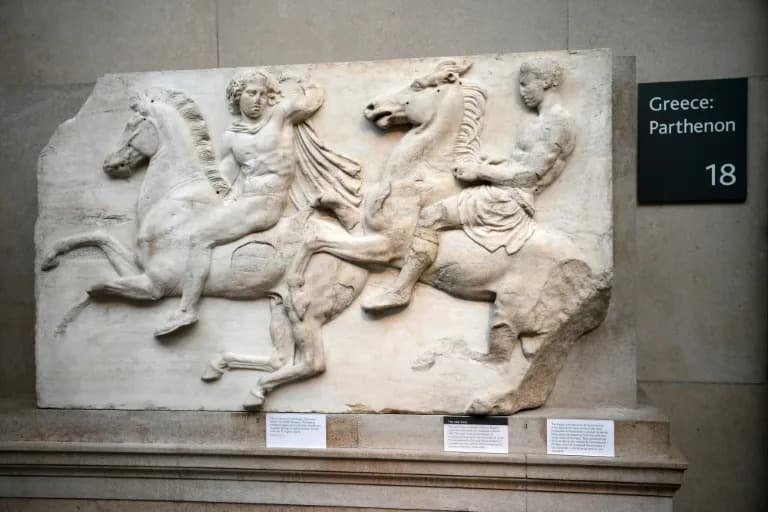
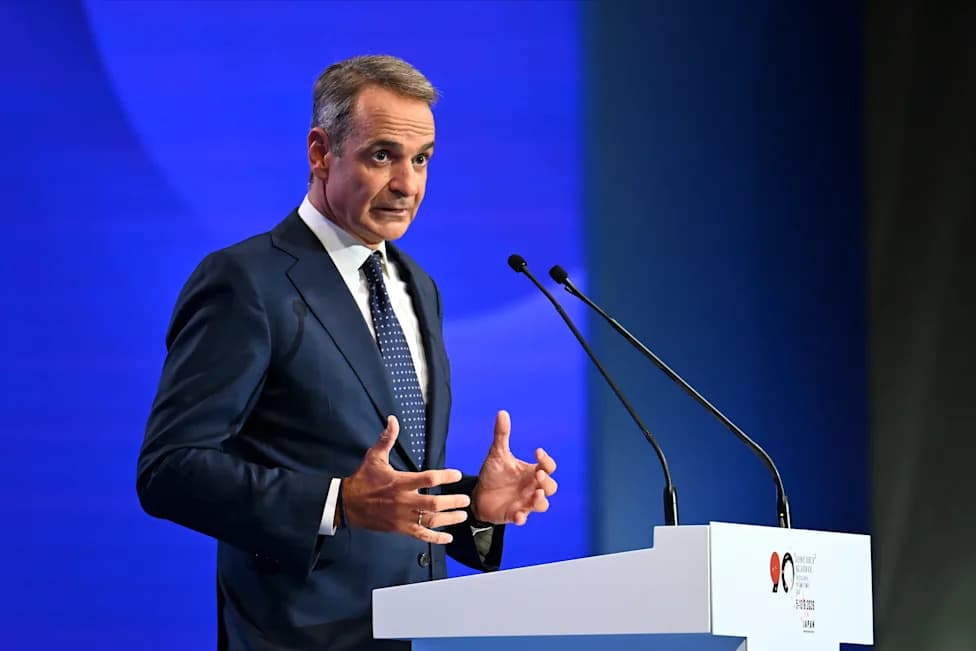
Greek Prime Minister Kyriakos Mitsotakis used a ceremony in Thessaloniki marking a bilateral exchange of historic relics with Bulgaria to reiterate Greece’s firm position on the Parthenon Sculptures: they cannot be treated as spoils of war and must be reunited to restore the monument’s integrity.
Monumental Integrity and Moral Claims
"Monuments and historic artefacts cannot be treated as spoils of war, nor as victims of circumstances that arose after their creation and their inherent nature as unified works," Mitsotakis said.
He stressed the Parthenon’s uniqueness and argued that legal or technical arguments should not prevent restoring the aesthetic and semantic unity of the monument. "My country will not accept arrangements that imply recognition of foreign ownership, nor will it borrow, supposedly, its own treasures," he added at the Museum of Byzantine Culture.
A Historic Exchange Between Greece and Bulgaria
The ceremony also formalised a long-negotiated exchange between Greece and Bulgaria. Bulgaria will receive remains attributed to Tsar Samuel — a major ruler of the First Bulgarian Empire who died in the early 11th century — while Greece will regain 48 ecclesiastical artefacts taken from northern Greek churches and monasteries by Bulgarian troops in 1917.
About the Artefacts and Repatriation
The 48 items, originating from the Holy Monastery of Panagia Eikosifoinissa, the Holy Monastery of Timios Prodromos of Serres and the Holy Metropolis of Serres and Nigrita, will be exhibited at the Museum of Byzantine Culture in Thessaloniki until 5 November 2026 before their planned return to their original religious homes.
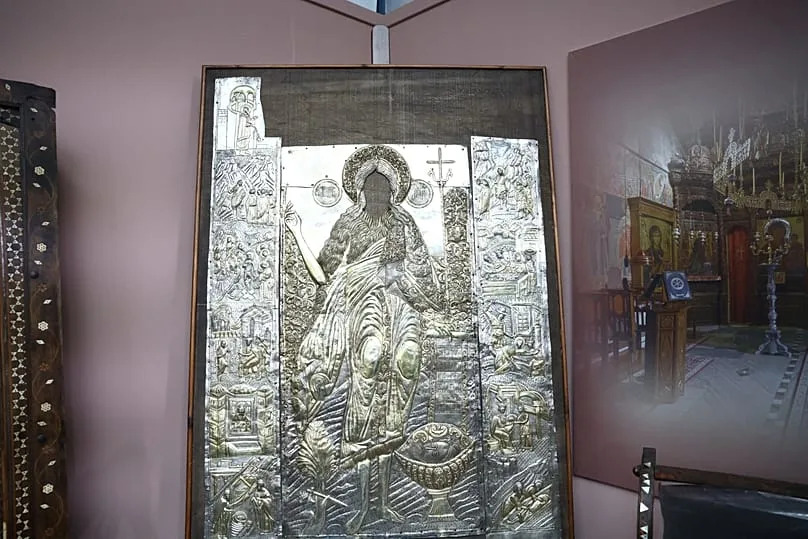
Ecclesiastical artefacts returning to Greece on display at the Museum of Byzantine Culture - ΑΠΕ-ΜΠΕ/ΑΠΕ-ΜΠΕ/ΑΧΙΛΛΕΑΣ ΧΗΡΑΣ
Remains of Tsar Samuel
The remains attributed to Tsar Samuel (ruled 997–1014) were linked to excavations at the Basilica of Saint Achilleios in Prespa, where Professor Nikolaos Moutsopoulos discovered four sarcophagi and associated anthropological material in 1965. Bulgarian officials described the repatriation as a transfer of historical significance.
Historical Context
Samuel expanded control over large parts of the Balkans until Byzantium, under Emperor Basil II, gained the upper hand in the early 11th century. After a decisive defeat in 1014 and the reported blinding of thousands of prisoners by Basil II — an episode that tradition links to Samuel’s death soon afterwards — the Bulgarian state fell under Byzantine rule in 1018.
Diplomacy and Implementation
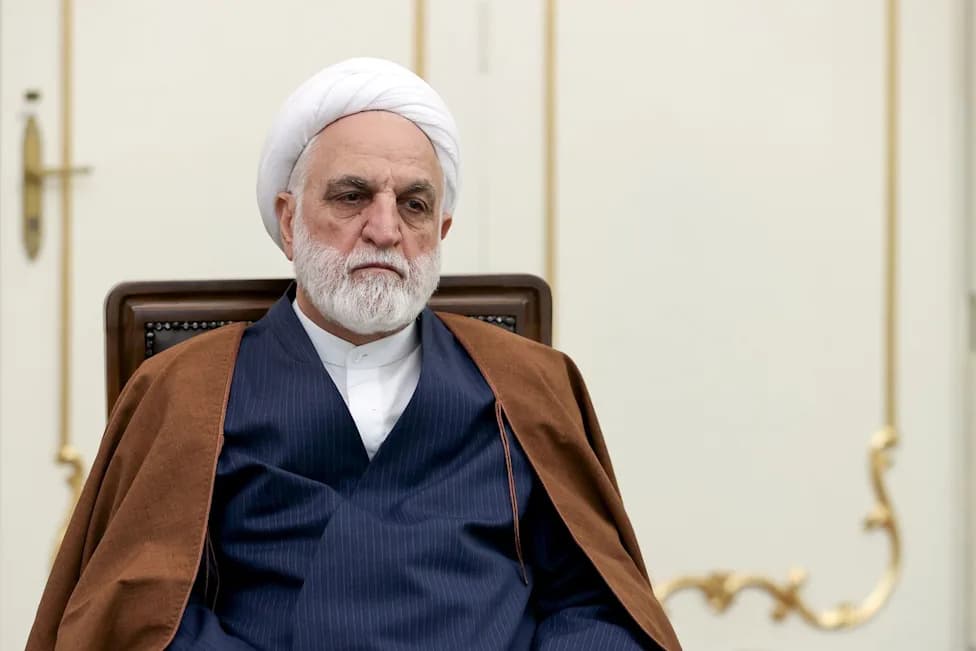
The formal handover, witnessed by Mitsotakis and Bulgarian Prime Minister Rumen Radev, implements a memorandum of understanding signed by culture ministers Lina Mendoni and Eftim Miloshev following years of negotiations and regular diplomatic contact. Radev described the exchange as a symbol of improved bilateral relations and said it strengthens a strategic axis of cooperation between the two countries.
What Happens Next: The artefacts will remain on public display in Thessaloniki until November 2026, after which they are due to be repatriated to the religious institutions from which they were removed. The Parthenon Sculptures issue, meanwhile, remains a central diplomatic and cultural priority for Greece.
Help us improve.