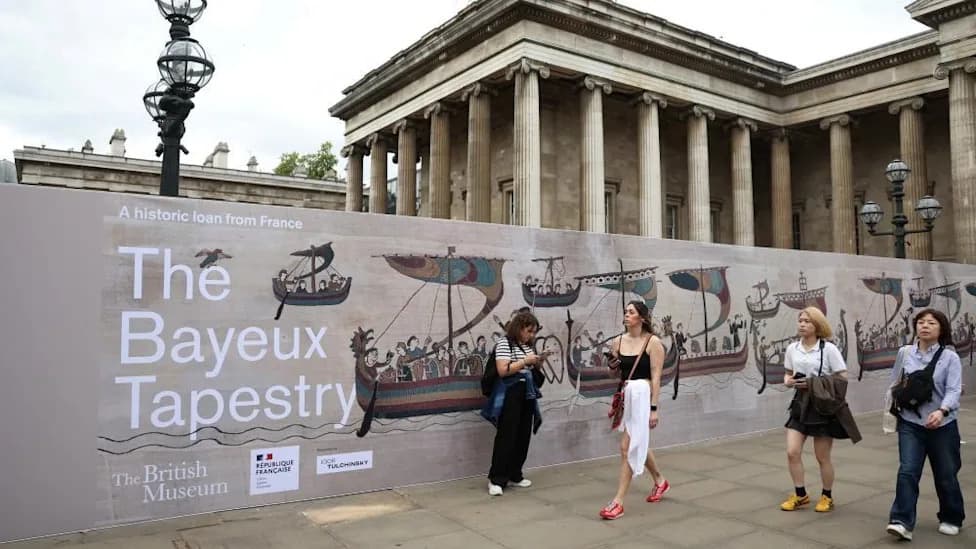
Greek Prime Minister Kyriakos Mitsotakis has called for "political will and courage" to reunite the Parthenon Marbles in Athens, urging a shift from decades of stalemate to an act of cultural cooperation. His appeal follows renewed attention after the British Museum lent the Bayeux Tapestry to France, a move that raised hopes for high-profile cultural agreements. Legal limits on the museum's power to transfer objects and disagreements over provenance complicate any permanent return. Both sides — Athens and the British Museum — continue to negotiate amid public and political debate.
Mitsotakis Calls for 'Political Will and Courage' to Reunite Parthenon Marbles in Athens
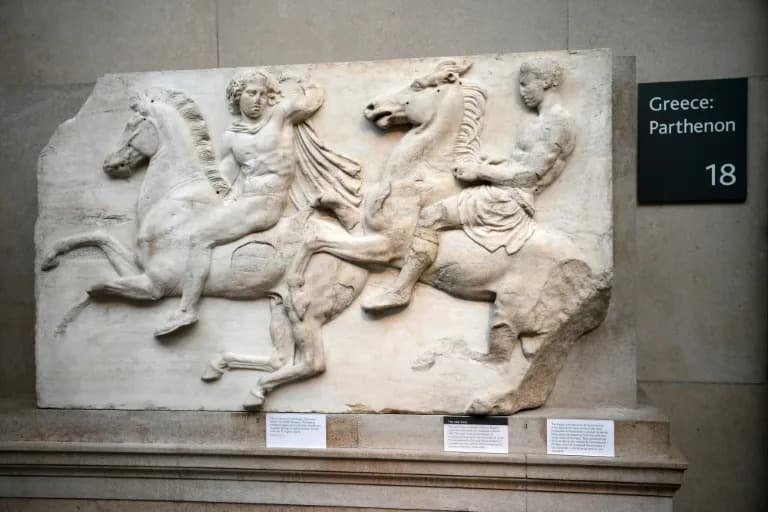
Greece has long called for the return of the ancient Parthenon Marbles (Daniel LEAL)
Greece's prime minister, Kyriakos Mitsotakis, on Thursday appealed for "political will and courage" to resolve the long-standing dispute with Britain over the Parthenon Marbles and reunite the sculptures in Athens.
Context
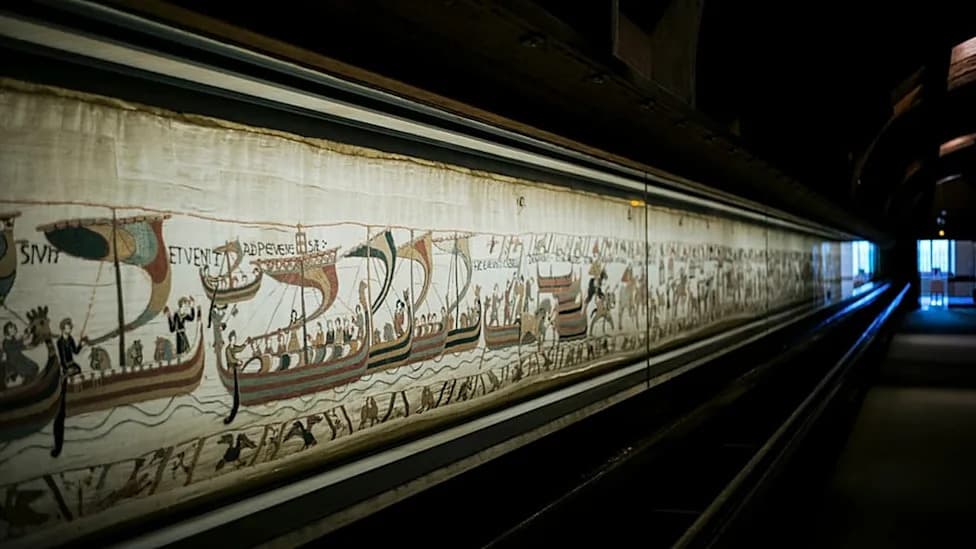
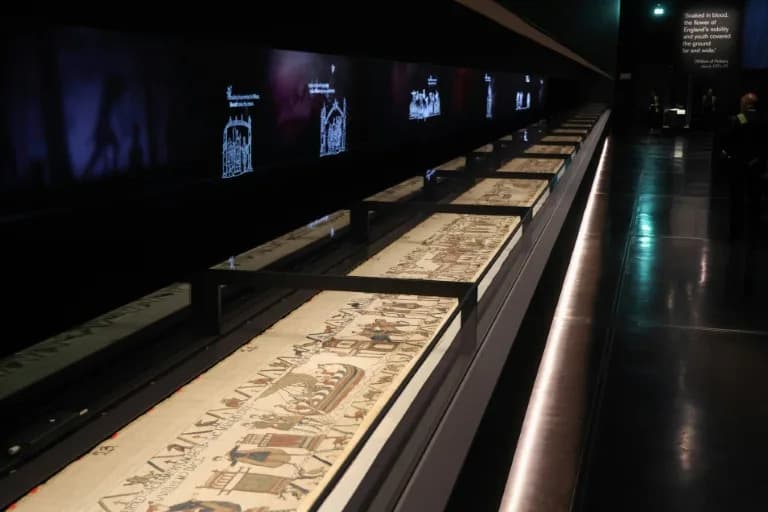
The plea follows years of negotiations with the British Museum, which has displayed the ancient friezes for more than two centuries, and comes in the wake of the museum's recent loan of the Bayeux Tapestry to France — a move some saw as a sign that high-profile cultural loans between countries are possible after Brexit.
Mitsotakis's Case
"What is needed now is the political will and courage to take the decisive step, to reunite the sculptures and transform a historic dispute into a unique act of cultural friendship," Mitsotakis wrote in an opinion piece for The Guardian.
Mitsotakis rejected arrangements that would treat Greece as if it were "borrowing" pieces of its own heritage. He argued the friezes should be displayed together in the Acropolis Museum in Athens, which opened in 2009 and includes a dedicated space for the Marbles.
Political And Legal Hurdles
The British Museum's ability to permanently transfer items is constrained by a 1963 law that prevents the sale or disposal of objects in its care; any permanent handover would likely require an act of Parliament. The museum's trustees must also consider any formal loan requests.
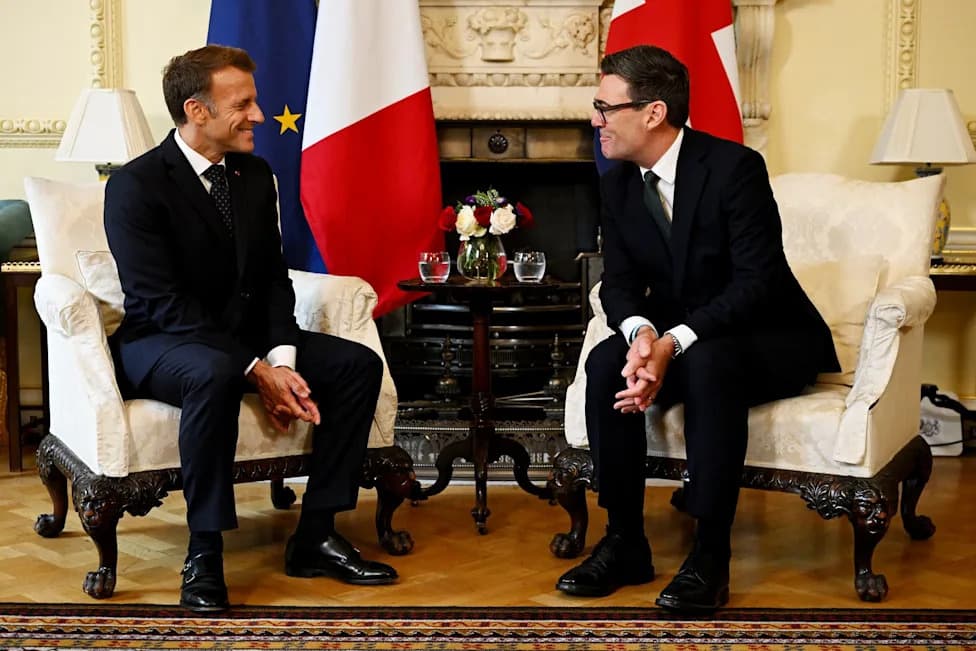
Mitsotakis noted that some British politicians, including Andy Burnham, have previously expressed support for the sculptures' return "with no strings attached," though others in government have emphasized the British Museum's institutional role and legal constraints.
Recent Talks And Responses
The Daily Telegraph reported that Greek negotiators had stepped away from protracted talks out of frustration with the pace of progress. A British Museum spokesperson told AFP that the institution's "openness to a deal is unchanged," while museum director Nicholas Cullinan said the Bayeux loan demonstrated that "some tangible progress can happen." On its webpage about the marbles, the museum said it has not received a formal loan request but that "The Trustees will consider any loan request for any part of the collection."
Historical Background
The Parthenon Marbles, also known as the Elgin Marbles, have been contested for over two centuries. Greek authorities maintain the sculptures were "chiselled away and illegally removed" by Lord Elgin in the early 19th century; the British government and the museum say Elgin acquired them legally and that they were subsequently purchased and added to the museum's collection.
The Parthenon itself is a fifth-century BC temple on the Acropolis in Athens, built in honour of the goddess Athena.
Help us improve.