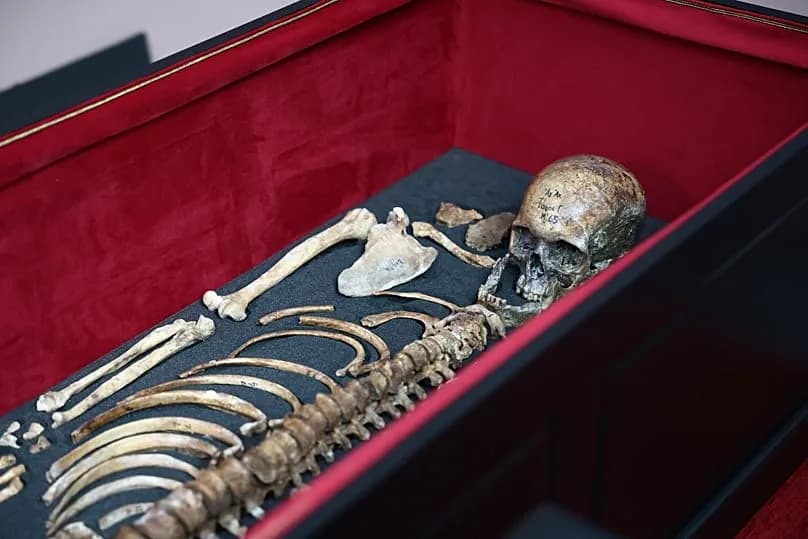
More than a millennium after his death, remains believed to be those of Tsar Samuel were returned to Bulgaria after an agreement with Greece. The coffin was escorted through Sofia amid cheers, a flypast and a 21-gun salute and was laid in state at the Church of Saint Sofia. In exchange, Greece will receive 48 religious objects taken from northern Greek sites during World War I. The bones, unearthed in the 1960s on Saint Achilleios, are attributed to Samuel on the basis of burial context and clothing, but the identification remains debated and politically sensitive in the region.
After a Millennium: Tsar Samuel’s Remains Repatriated to Bulgaria in Historic Exchange
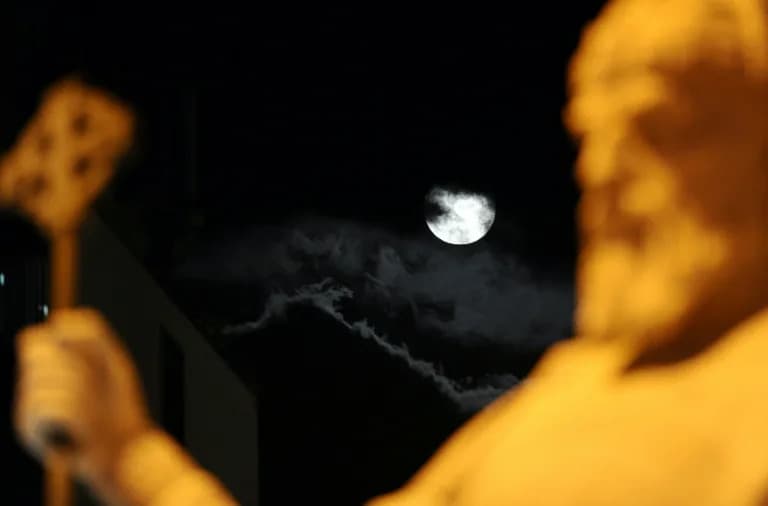
Disputed leader: the statue of Tsar Samuel in the North Macedonian capital, Skopje (ROBERT ATANASOVSKI)
More than 1,000 years after his death, the remains believed to be those of Tsar Samuel — one of the last major rulers of the First Bulgarian Empire — were returned to Bulgaria following a formal handover from Greece.
Ceremony in Sofia
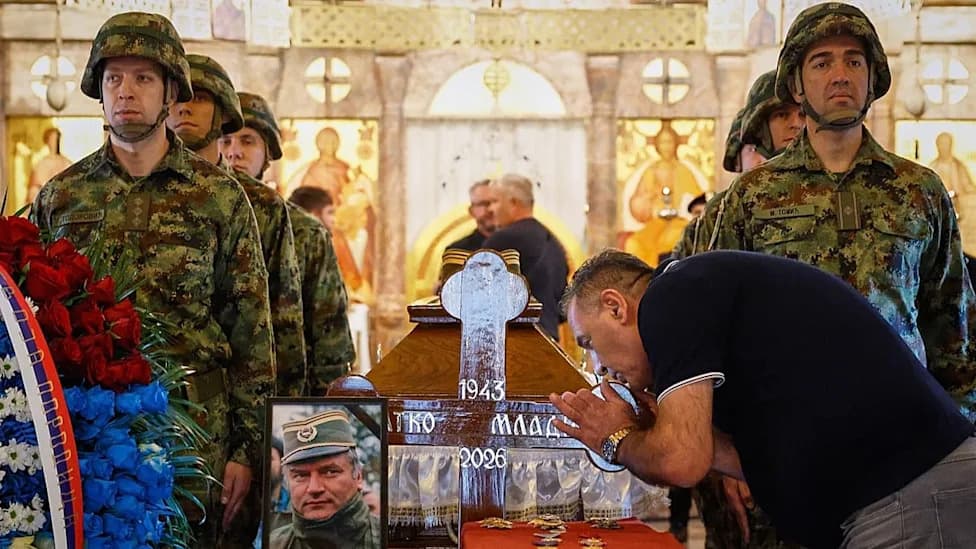
After a handover ceremony in Thessaloniki, the flag-draped coffin arrived in Sofia and was escorted through the capital by a guard of honour. Crowds cheered as fighter jets performed a flypast and a 21-gun salute accompanied the procession to the Church of Saint Sofia, a sixth-century basilica where the remains were laid in state.
"My deepest gratitude to Kyriakos Mitsotakis for the wisdom and courage that led to this historic agreement," Bulgarian President Rumen Radev told the assembled crowd.
What the Agreement Entails
Under the terms of the deal, Greece will receive 48 objects that were taken from churches and monasteries in northern Greece by Bulgarian troops during World War I. Bulgarian officials portrayed the exchange as a step toward strengthening bilateral ties and mutual trust.
Who Was Tsar Samuel?
Samuel ruled from 997 to 1014 and extended his domain across much of the central Balkans, with a powerbase around Lake Prespa and Lake Ohrid. He fought a prolonged series of campaigns against the Byzantine Empire. Contemporary accounts say Samuel died of shock after seeing thousands of his soldiers return blinded on the orders of Byzantine emperor Basil II, who became known as the "Bulgar Slayer." Samuel's realm fell to Byzantium in 1018.
Discovery and Attribution
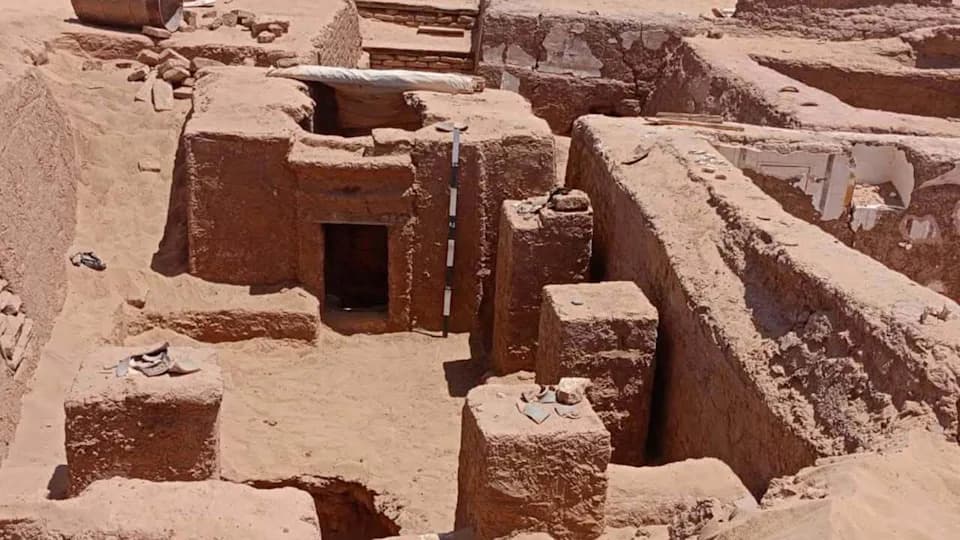
The bones were discovered in the 1960s by Greek archaeologist Nikolaos Moutsopoulos during excavations on the island of Saint Achilleios in Little Prespa Lake, near the borders with Albania and North Macedonia. Excavators found a skeleton of an adult male about 1.6 m tall accompanied by fragments of richly decorated silk edged with gold and bird motifs. Scholars attribute the burial to Samuel based on the tomb's prestigious location, the sumptuous clothing, the estimated age and an old healed fracture in the skeleton, though definitive scientific certainty remains limited.
Regional Sensitivities and Political Impact
The repatriation is politically and culturally sensitive in the Balkans. North Macedonia also claims Samuel as part of its national heritage, and his legacy has been a recurring diplomatic and symbolic issue among the three countries. The return has also reverberated in Bulgarian domestic politics: talks over the remains date back to 2007 and the topic featured in the country’s presidential campaign this month.
Context: In 2022 a bilateral commission recommended presenting Samuel as the head of a state that most contemporary historiographers consider the First Bulgarian Empire, whose territory overlaps parts of present-day North Macedonia. The identification of the remains remains described in cautious terms — "believed to be" or "attributed to" Samuel — reflecting scholarly debate.
Help us improve.