Doctors and pediatric groups warn that energy drinks — often containing 80–300 mg of caffeine per serving — can cause dangerous effects in children, including abnormal heart rhythms, high blood pressure and seizures. A physician coalition has urged the Big 12 and the NCAA to review energy drink marketing after three child deaths, including 16‑year‑old Davis Cripe. Experts and agencies recommend that children avoid energy drinks, parents monitor all caffeinated beverages, and schools educate students about the difference between energy drinks and sports drinks.
Doctors Warn: Energy Drinks Pose Serious Risks To Children As Big 12-Monster Deal Draws Scrutiny
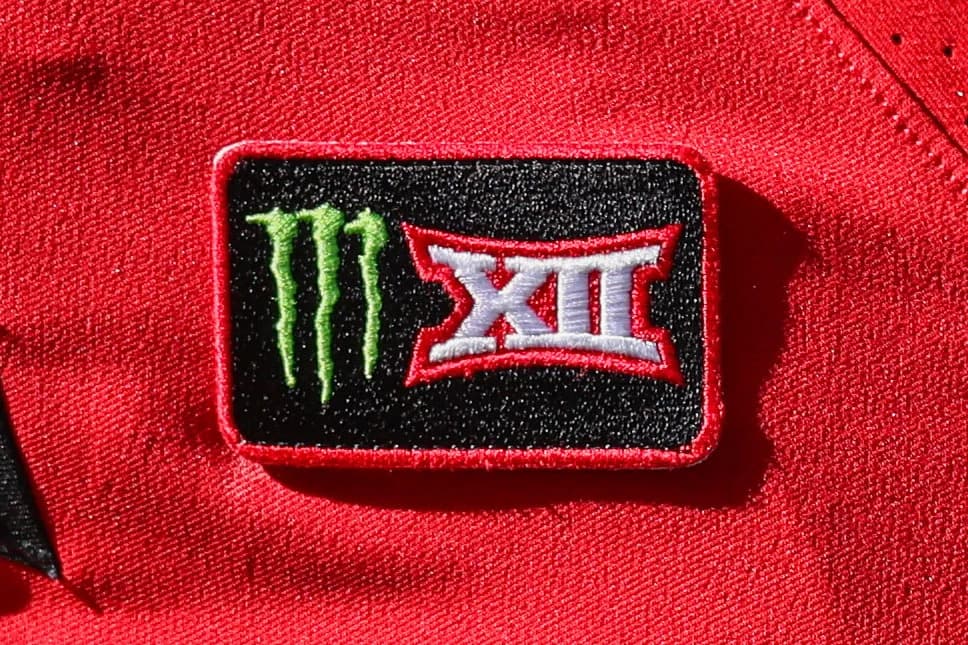
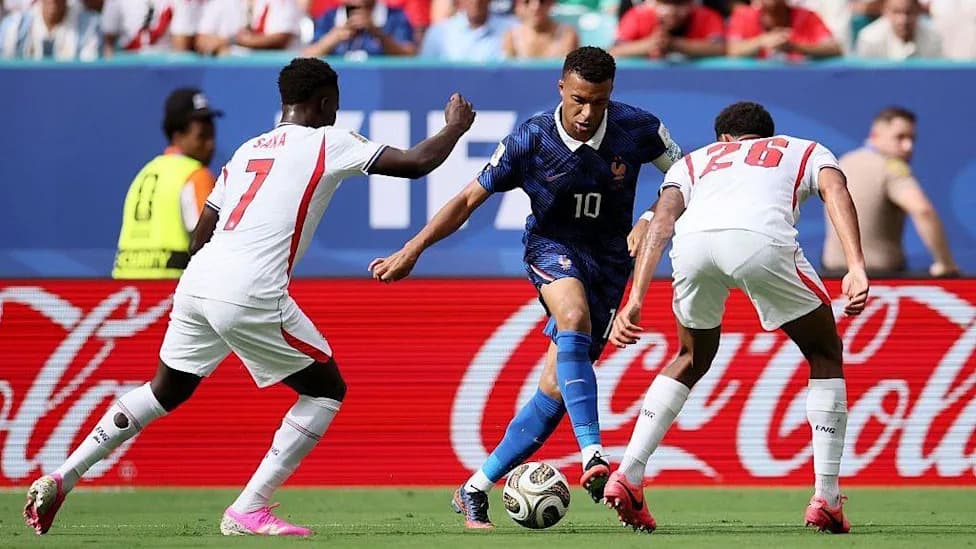
FILE - A Texas Tech player wears a Monster/Big 12 patch on his jersey during an NCAA college football game against Sam Houston State, Sept. 26, 2026, in Lubbock, Texas. (AP Photo/Chase Seabolt, File)
Sean and Heidi Cripe still remember the phone call from their son’s high school nearly a decade ago: their 16-year-old, Davis, was being rushed to the emergency room. "He chugged an energy drink — like, just trying to be cool," Sean recalled. Within hours Davis experienced a life‑threatening arrhythmia and later died. While such deaths are uncommon, physicians and public health groups say the episode highlights real risks energy drinks can pose to children and teens.
Why Doctors Are Concerned
Energy drinks frequently contain very high amounts of caffeine and other stimulants — roughly 80–300 mg per serving depending on the brand. By comparison, an 8-ounce cup of coffee typically contains about 80–100 mg of caffeine, and many sodas contain 50 mg or less. The American Academy of Pediatrics recommends that ages 12–18 limit caffeine to 100 mg per day and discourages caffeine for younger children.
Caffeine and related stimulants can raise heart rate, increase blood pressure and heighten nervous-system reactivity — effects that may trigger abnormal heart rhythms, dehydration, sleep disruption, agitation and, in rare cases, seizures. "Caffeine and other stimulants raise heart rate and increase how reactive the nervous system is — basically how fast things run in the body — which can overload the system," said Dr. Tamara Hannon, chair of the American Academy of Pediatrics nutrition committee. She compared it to running a blender until the motor overheats.
"The heart can wear out, the nervous system can go haywire and you can have really serious consequences." — Dr. Tamara Hannon
Marketing And The Big 12 Sponsorship
A newly formed coalition of physicians has called attention to these risks amid a sponsorship agreement between Monster Energy and the Big 12 Conference. The coalition urged conference leaders to pause the deal and asked the NCAA to review energy drink marketing aimed at young people, citing the deaths of three children, including Davis Cripe. The Monster-Big 12 agreement would include a co-branded logo on football and basketball jerseys, on playing surfaces and across digital and social channels.
"Kids are going to see energy drinks now promoted by the universities and the athletes that they admire and want to emulate," said Dr. Matthew Nelson, an Idaho cardiologist involved in the effort. "The kids will think of them as sports drinks, which they're not." Medical groups, including the American Academy of Pediatrics, advise that children and teens avoid energy drinks entirely.
Prevalence And Additional Risks
Consumption is not rare. The federally funded Monitoring the Future survey (University of Michigan) reports daily energy drink use among 23% of 12th graders, 20% of 10th graders and 18% of eighth graders. Experts stress an additional danger: children often consume multiple caffeinated beverages in a single day (for example, soda, coffee and an energy drink), which can push total caffeine well past recommended limits. In Davis Cripe’s case the coroner said he had a Mountain Dew and a McDonald’s latte earlier on the day he died, and later developed arrhythmia after drinking an energy drink.
Industry And Regulatory Responses
The American Beverage Association — whose membership includes major energy drink companies — says members voluntarily list caffeine amounts on labels and include advisories such as "Not intended for children, pregnant or nursing women, or persons sensitive to caffeine." The association also says its members do not sell or market energy drinks in K‑12 schools. Monster Energy noted that caffeine is present in many common foods and beverages and that mainstream energy drinks have been sold globally for decades.
The NCAA has told the physician coalition it does not have authority to regulate conference or school sponsorship agreements, though it provides educational resources to schools about caffeine and student-athlete health and has commissioned a cardiac advisory group to review related questions.
Practical Advice For Parents, Schools And Coaches
Public health agencies and pediatricians recommend several steps to protect children: educate students about the difference between energy drinks and sports drinks (sports drinks are formulated to replace water and electrolytes lost during exercise), discourage energy‑drink use among children and teens, avoid consuming energy drinks in front of kids, and review beverage intake during pediatric well visits. Teachers and coaches can reinforce these messages at school and on athletic teams.
Sean Cripe said sharing his family’s story may help other parents warn their children. "We just pray parents will use our stories, our tragedies, our grief, to have an impact on their own kids," he said.
Sources: American Academy of Pediatrics, Centers for Disease Control and Prevention, Monitoring the Future survey, statements from Monster Energy, Big 12 Conference and the American Beverage Association; reporting on the Cripe family case.
Help us improve.