The FDA plans to phase out certain certified food color additives by the end of 2027, with Blue No. 1 and Blue No. 2 among the most at risk. Blue is harder to replace than other colors because natural substitutes like spirulina require more raw material and can complicate formulations. Major manufacturers such as Mars and Kellogg are already adjusting product lines and timelines. Consumers can expect reformulations, packaging changes, and the possible temporary removal of blue options across candies, cereals, baked goods and beverages.
Which Popular Foods Could Lose Their Blue Hue? FDA Plans Phase-Out of Blue No. 1 and No. 2
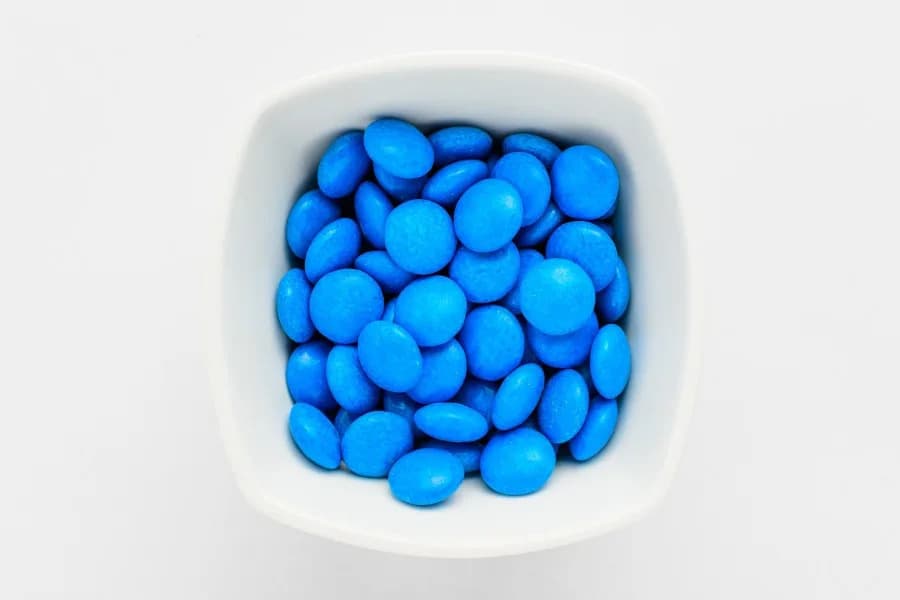
The U.S. Food and Drug Administration plans to phase out certain certified food color additives by the end of 2027, and Blue No. 1 and Blue No. 2 are among the most affected. If the change proceeds, many familiar candies, cereals, baked goods and beverages may be reformulated, shelved temporarily, or sold in altered assortments.
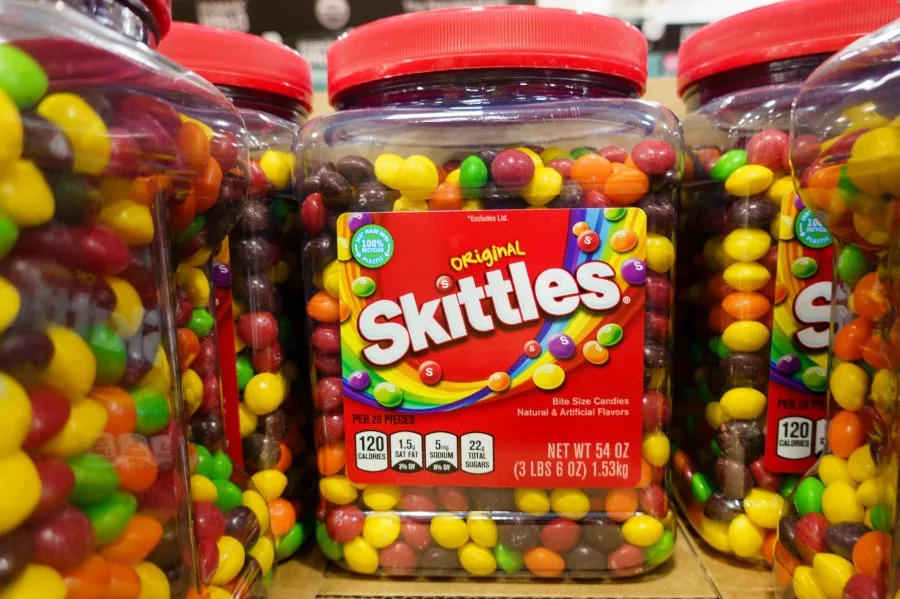
SAN DIEGO, CALIFORNIA - JULY 12: Packages of Skittles candy are displayed at a Costco Wholesale store on July 12, 2025 in San Diego, California. (Photo by Kevin Carter/Getty Images)
Why Blue Is Hard To Replace
Manufacturers have successfully swapped many synthetic dyes for natural alternatives, but true blue tones are especially difficult to replicate. Natural blue pigments such as spirulina (an algae-derived pigment) can produce appealing color, but they typically require far more raw material to match the intensity of synthetic dyes. That increases cost, can alter flavor or texture, and sometimes interferes with other colors (for example, making brown shades harder to achieve).
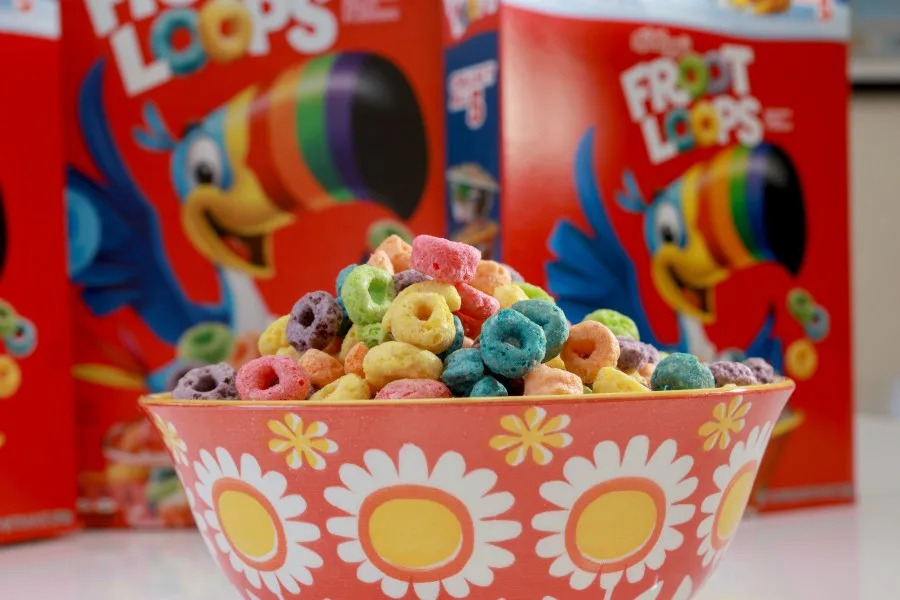
MIAMI, FLORIDA - NOVEMBER 22: In this photo illustration, Froot Loops are on display on November 22, 2024 in Miami, Florida. Robert F. Kennedy, the recently appointed health secretary for the United States, has said that he is concerned that the Froot Loops cereal along with other processed foods are a potential health danger for consumers. (Photo by Joe Raedle/Getty Images)
Notable Manufacturer Moves
Mars, the maker of M&M's, recently removed the blue piece from its first FD&C-free M&M lineup after finding it difficult to recreate that color with approved natural ingredients. Kellogg has announced a multi-step plan: it will stop launching new products that use certified color additives beginning in January, remove certified colors from existing products by the end of 2026, and eliminate FD&C colors from K–12 cereals served in schools by the 2026–27 school year.
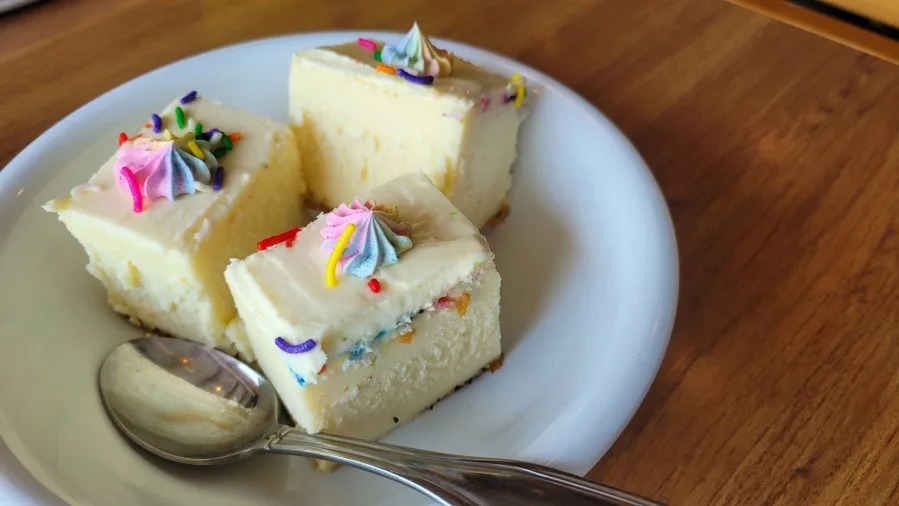
Cheesecake with rainbow sprinkles and colorful decorations
Products Likely to Change
The potential phase-out could affect a wide range of products that rely on Blue No. 1 or Blue No. 2 for bright blue hues. Examples include:
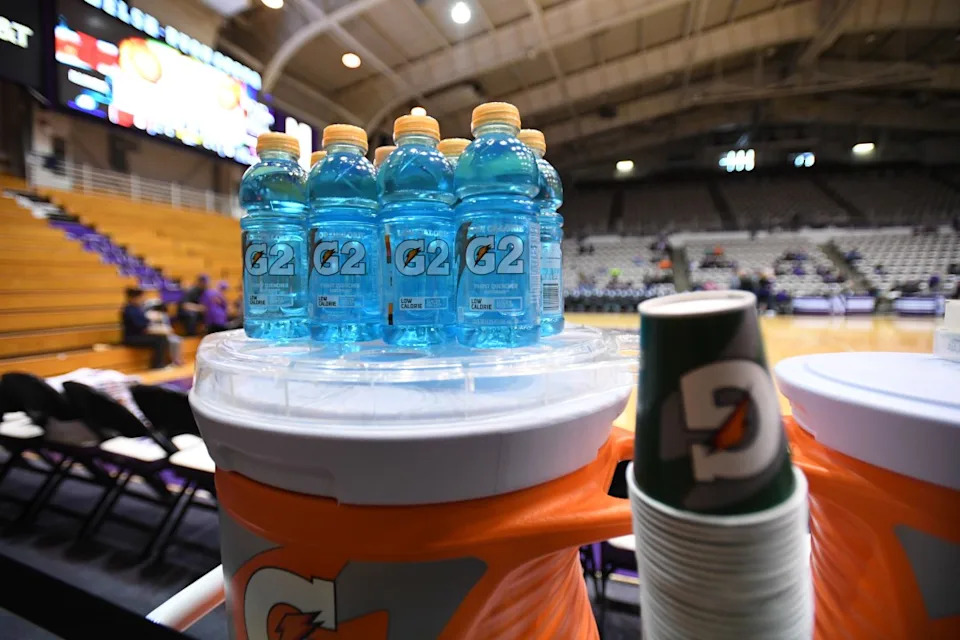
EVANSTON, IL - FEBRUARY 19: A general view of blue Gatorade bottles with a container of water and cups prior to a game between the Illinois Fighting Illini and the Northwestern Wildcats on February 19, 2017, at the Welsh-Ryan Arena in Evanston, IL. (Photo by Patrick Gorski/Icon Sportswire via Getty Images)
Candies & Gum
- Skittles, Starburst, Jolly Ranchers, Smarties
- Peelerz, Extra gum, Sunbelt Bakery gummy bears
- M&M's (blue removed from FD&C-free lineup)
Breakfast Cereals
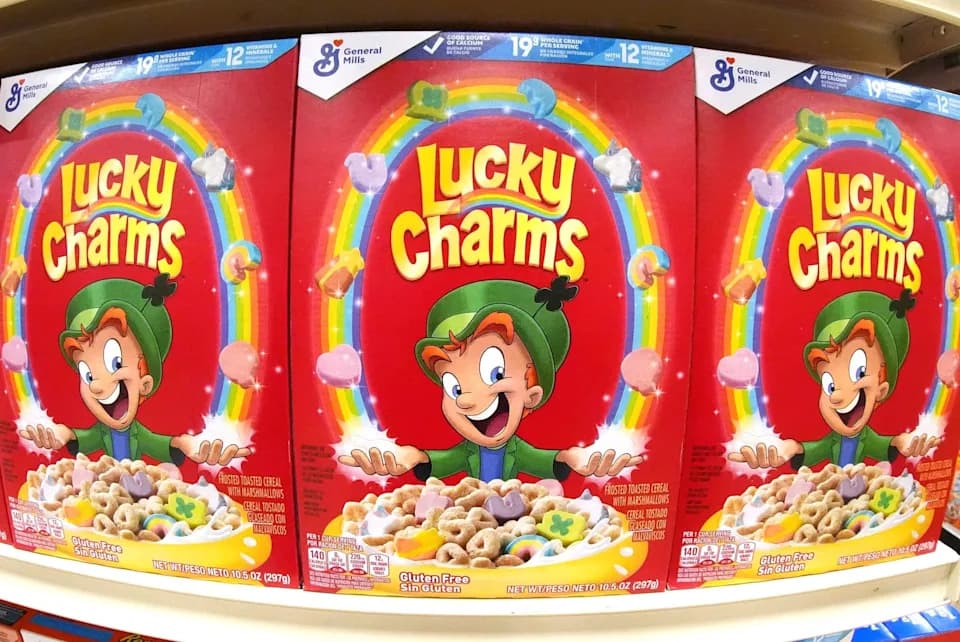
- Cinnamon Toast Crunch, Trix, Lucky Charms, Apple Jacks
- Rice Krispies varieties that mix blue and green colors
Baked Goods, Frostings & Decorations
- Products and mixes from Kraft, Betty Crocker, Pillsbury (blue frostings and decorating gels)
- Entenmann's Little Bites varieties, Little Debbie cakes and brownies, Hostess limited-edition items
- Seasonal sprinkles and novelty decorations that rely on bright blue
Beverages & Drink Mixes
- Certain Gatorade varieties and flavors (Cool Blue, Glacier Freeze, Blue Cherry, Tropical Blend and others)
- V8 Splash Blue Raspberry, MiO and Crystal Light enhancers
- Several Kool-Aid syrups and powdered mixes, including blue raspberry flavors
What Consumers Should Expect
As the FDA timeline progresses toward 2027, expect to see label changes, limited-edition or temporary removals of blue options, and product reformulations across multiple categories. Some manufacturers will substitute natural pigments like spirulina where feasible, while others may change packaging or discontinue certain blue variants. Consumers with strong preferences for specific colors or flavors should watch ingredient lists and brand announcements over the next two years.
Bottom line: Blue No. 1 and No. 2 are widely used and difficult to replace cleanly. If phased out, changes will be most visible in brightly colored candies, cereals, frostings and sports drinks.
Help us improve.