Researchers from the University of Bristol and the University of Oxford used an AI tool to analyse pitchside and stadium advertising visible on the international broadcast during all 104 matches of the 2026 World Cup. They found 65,722 displays of junk-food and sugary-drink branding, visible for a combined 28.1 hours — about 16% of match play — averaging 576 exposures per match. Coca-Cola, McDonald’s, Powerade and Lay’s were the most visible brands. The report calls out a regulatory loophole: UK pre-9pm TV bans do not cover international event hoardings, prompting calls for global action to protect children from pervasive marketing.
‘Constant Bombardment’: 65,722 Junk-Food Ads Flood 2026 World Cup Broadcasts
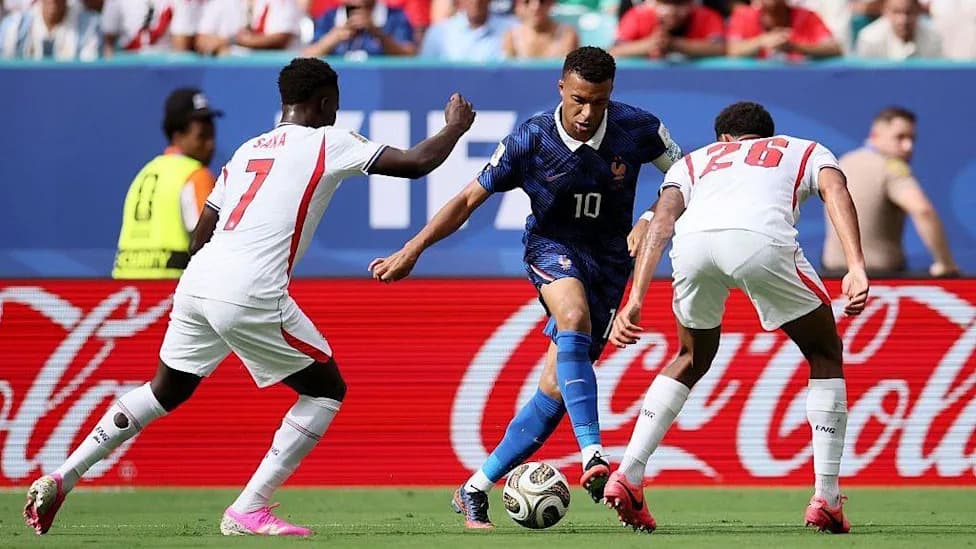
This summer's World Cup featured ads promoting an official beverage partner (Coca-Cola), official snack food partner (Lay's), and an official quick-service restaurant sponsor (McDonald's) [Getty Images]
Football fans watching the 2026 Fifa World Cup were repeatedly exposed to advertising for foods and drinks classed by UK policy as high in fat, salt or sugar, according to a new academic study.
Study And Method
Researchers at the University of Bristol and the University of Oxford developed an AI tool to scan adverts visible to television viewers during live play across all 104 tournament matches held in the USA, Canada and Mexico. The analysis focused on pitchside hoardings and stadium signage captured on the international broadcast feed while matches were in play.
Key Findings
The team recorded a total of 65,722 displays of logos or products from brands that produce junk food and sugar-sweetened drinks. Those adverts were on-screen for a combined 28.1 hours across the tournament — equivalent to just over 16% of total match-play time. The model estimated an average of 576 junk-food or sugary-drink ads visible per match.
Coca-Cola accounted for the largest share with 21,893 appearances, followed by McDonald’s (13,915), Powerade (12,777) and Lay’s (12,087) — the latter sold as Walkers in the UK. All four brands are official FIFA partners; Powerade is owned by The Coca-Cola Company.
Comparison With Other Advertising
The report found junk-food and sugary-drink branding appeared far more often than other potentially harmful advertising categories: around seven times more than alcohol and prediction-market brands, ten times more than gambling companies, and nearly 25 times more than cryptocurrency logos.
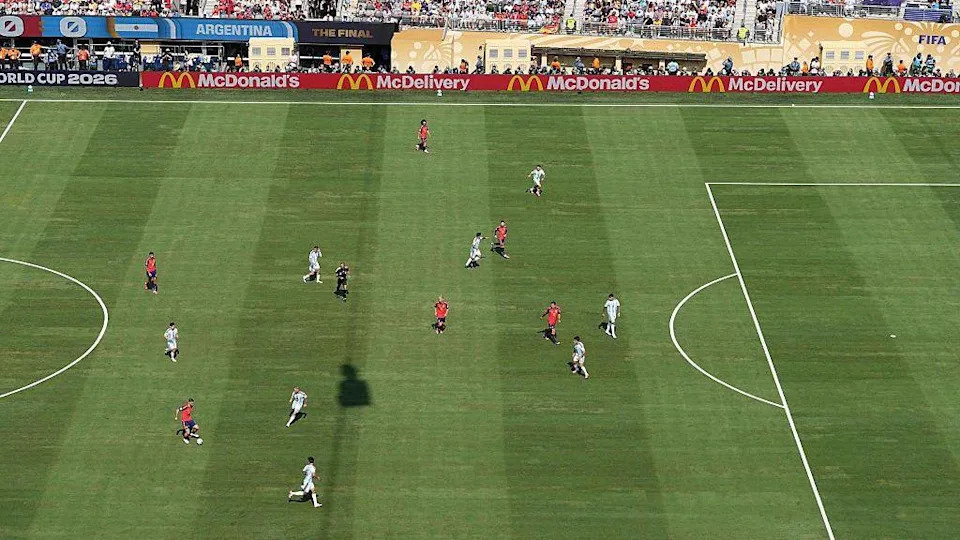
McDonald's advertisements were displayed frequently throughout Spain's victory over Argentina in the World Cup final [Getty Images]
“Repeatedly connecting unhealthy food and drink brands with football, excitement and national identity can make these brands familiar and normalise their consumption,” the researchers wrote, warning this may be especially influential for young viewers.
Responses And Policy Issues
FIFA responded by emphasising that most of its revenue is reinvested into football, including health and wellbeing projects. A FIFA spokesperson said the organisation works with a broad global portfolio of partners governed by compliance frameworks and highlighted social-impact campaigns such as Be Active.
BBC Sport contacted Coca-Cola, McDonald’s and PepsiCo (owner of Lay’s) but had not received replies at the time of publication.
Public-health experts say the findings expose a regulatory loophole. Since October 2025 the UK has banned paid advertising of products such as burgers, chips, crisps and sugar-sweetened drinks on television before 9pm, but that restriction does not cover pitchside hoardings visible on international broadcast feeds. Greg Fell, president of the Association of Directors of Public Health, described the situation as a loophole and called for international collaboration to reduce the impact of junk-food marketing on children and communities.
“We are facing a global crisis of childhood obesity and diet-related disease, yet the world’s biggest sporting event is saturated with marketing for unhealthy food and drinks,” said Dr Elisa Becker, a co-author of the report. “Sport should be part of the solution to poor health — not one of the world's most powerful advertising platforms for the products driving it.”
Context And Next Steps
The report noted recent UK policy action to improve childhood nutrition — including tighter school-dinner rules that restrict deep-fried options and increase fruit, vegetables, fibre and wholegrain content — and cited NHS data showing 15% of children in the UK were obese and 26% overweight in 2024. Researchers and public-health advocates urge a broader, international approach to limit junk-food marketing at global sporting events so domestic broadcast protections cannot be circumvented by pitchside signage.
Bottom line: The study documents extensive exposure of international TV audiences to junk-food and sugary-drink marketing during match play at the 2026 World Cup, highlights a gap in current national advertising restrictions, and adds momentum to calls for coordinated global action.
Help us improve.