Organismal death occurs when coordinated systems like circulation and brain function irreversibly fail, but many individual cells can remain active afterward. Studies report ongoing gene regulation for hours postmortem, skeletal muscle stem cells recovered up to 17 days after death, and fat-derived stem cells viable for about seven days when refrigerated. Experimental perfusion (OrganEx) partially restored cellular functions after one hour without circulation in pigs, though it did not revive the animals.
Some Cells Outlive the Body: What Survives After Death and Why It Matters
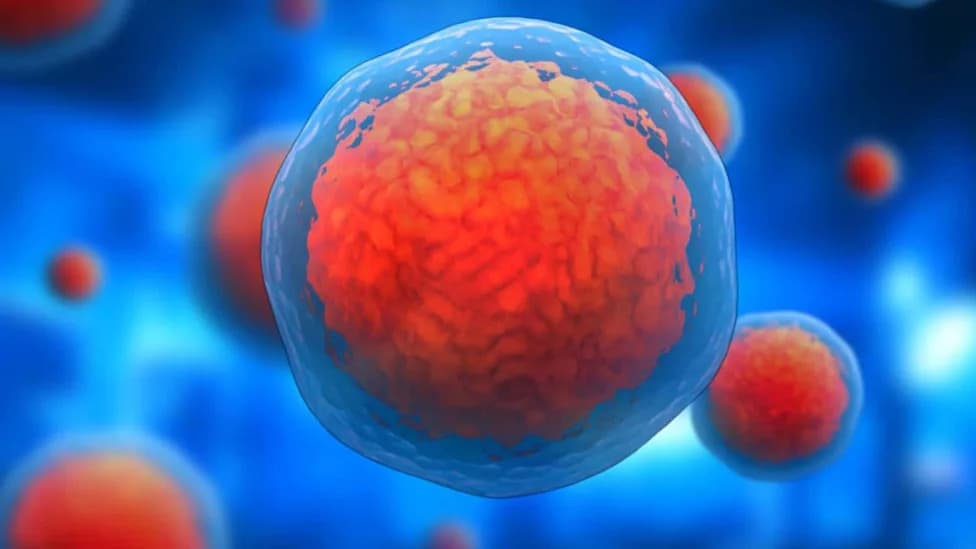
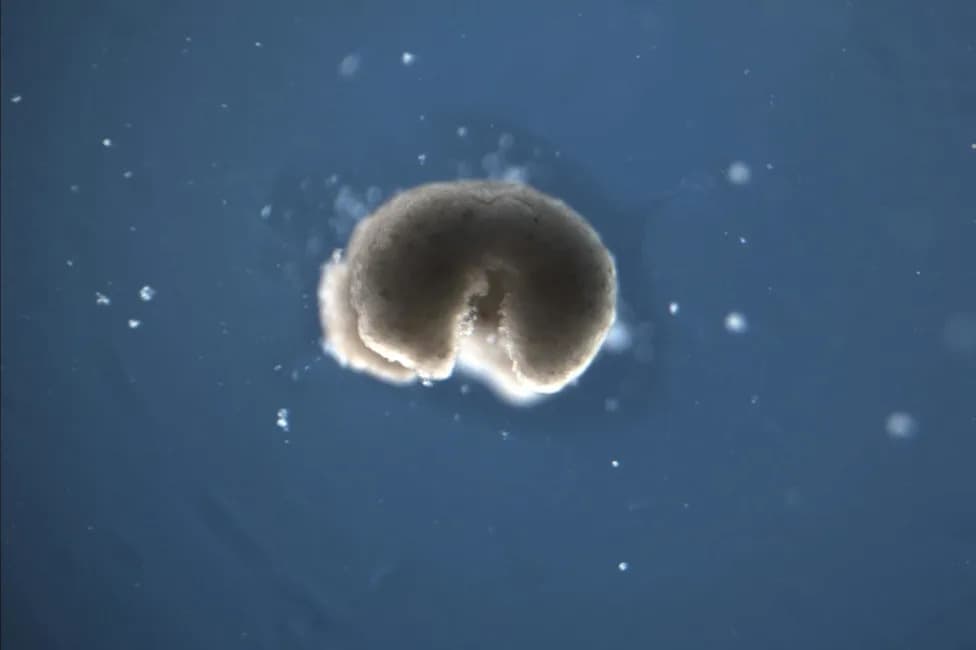
3D illustration of stem cell
Death ends the body's integrated functions, but it does not extinguish every cell at once. Research increasingly shows that many human cells can remain biologically active for hours or days after organismal death, and some stem cells survive far longer than most people expect.
Why Organismal Death and Cellular Death Differ
Organismal death is defined by the irreversible loss of integrated systems—circulation, respiration, neural activity and intercellular signaling—that sustain a living person. That definition stands even if individual cells within tissues retain metabolic activity, gene regulation or the ability to divide. A handful of surviving cells does not mean organs can perform their roles or that the person is still alive.
Which Cells Survive — And For How Long
Different cell types tolerate oxygen loss and other stresses very differently. Neurons are highly vulnerable because the brain consumes large amounts of energy and has limited reserves. By contrast, some stem cells and other low-metabolism cells can endure much longer.
Key findings from human and animal research include:
- Postmortem gene activity: Studies of human tissues found active changes in gene expression for hours after death. In blood, some genes increased expression during the first seven hours and changed further afterward, indicating active regulation rather than only random RNA decay.
- Muscle stem cells: Researchers isolated viable skeletal muscle stem cells from human cadavers up to 17 days after death. These cells could grow and differentiate in culture and, in experimental models, regenerate muscle tissue.
- Adipose (fat) stem cells: Mesenchymal stem cells from postmortem fat have been recovered and expanded in culture for up to about seven days when tissue was kept cool.
Takeaway: Organ-level death can occur while many individual cells remain biologically active for variable periods.
How Some Cells Survive
Many resilient stem cells survive by entering deep, reversible dormancy. Their metabolism slows, they stop dividing, and they reduce energy needs. Extreme oxygen deprivation after death may push certain stem cells into an enhanced quiescent state that protects them until conditions improve. When nutrients and suitable conditions are restored in the lab, some of these cells reactivate.
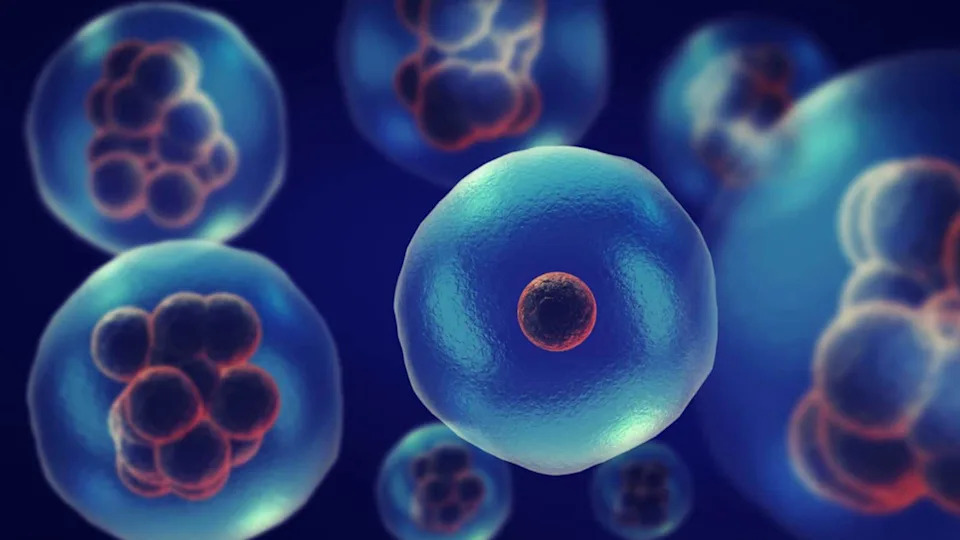
Photo Credit: Deposit Photos
Importantly, surviving cells are not always inert. Postmortem tissues often show organized changes in gene expression tied to stress responses, coagulation and cellular repair—further evidence that some cells remain actively regulated for hours.
Experimental Restoration: The OrganEx Example
Beyond naturally resilient cells, experimental approaches have shown partial restoration of cellular functions after prolonged oxygen deprivation. In the OrganEx study, researchers induced cardiac arrest in pigs and left circulation absent for one hour at normal body temperature. They then perfused a specialized oxygen-carrying solution through the body. The procedure restored circulation, reduced cellular death, and restarted selected molecular and cellular processes in organs such as heart, liver and kidneys. The animals were not revived as conscious beings, and the experiment did not reverse organismal death, but it demonstrated that some cells considered irreversibly damaged had not crossed an absolute biological boundary.
Takeaway: Under experimental conditions, some cellular functions can be restored after prolonged loss of circulation, but this is not equivalent to restoring life.
Practical Factors: Temperature and Storage
Temperature dramatically affects postmortem survival. Warm conditions accelerate chemical reactions, enzyme activity and microbial growth, speeding deterioration. Cooling slows these processes and extends the window during which viable cells can be recovered—an idea fundamental to organ transplantation. However, freezing without specialized methods damages cells via ice crystals, so careful temperature control is essential for preservation.
Why This Matters
Recovering living cells from deceased donors has important research and medical applications. Postmortem stem cells can be expanded in the lab, used to generate induced pluripotent stem cells, and studied to understand regeneration and disease. Insights into natural dormancy and protective mechanisms could inform better organ preservation, stroke care and resuscitation strategies.
Bottom Line
There is no single survival time for all cell types. Some cells die quickly after circulation stops, while specialized cells can remain viable for days under favorable conditions. These findings clarify that biological death is a staggered process across tissues: the organism is dead when integrated functions are irreversibly lost, but the cellular story can continue long afterward.
Final Takeaway: Individual living cells can persist in tissues that have irreversibly lost the ability to function as part of a living person, and studying them may yield practical benefits for medicine.
Photo Credit: Deposit Photos
Help us improve.