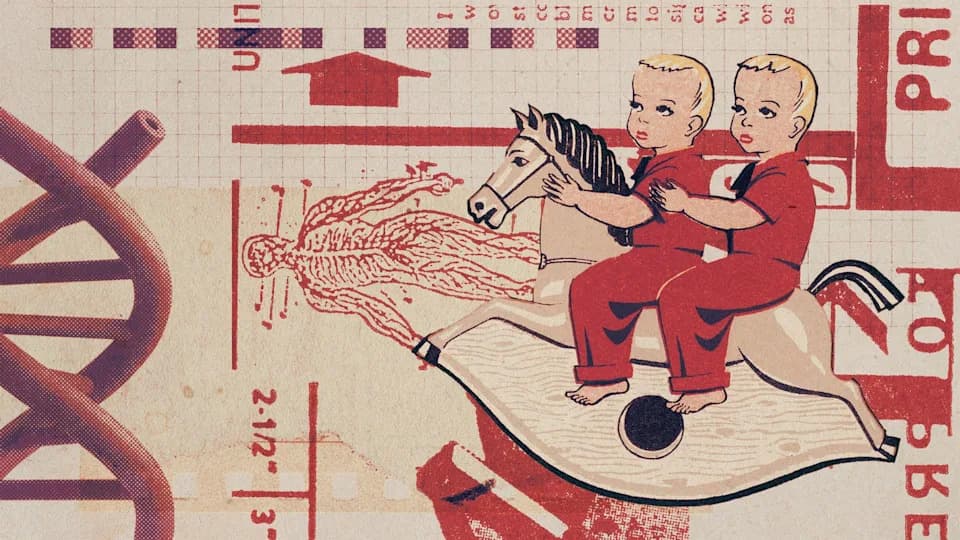
Researchers show that DNA persists after death and that gene activity can continue — and even increase — for hours in a tissue-specific way. A Nature Communications analysis of 2,000+ postmortem samples found thousands of genes whose expression changes with time after death, suggesting predictable molecular patterns that might become a forensic “clock.” Preservation depends heavily on tissue type and environment: bones and teeth often protect DNA for centuries while epigenetic marks degrade or shift after death.
What Happens To Your DNA After Death? New Research Reveals Surprising Postmortem Activity
DNA
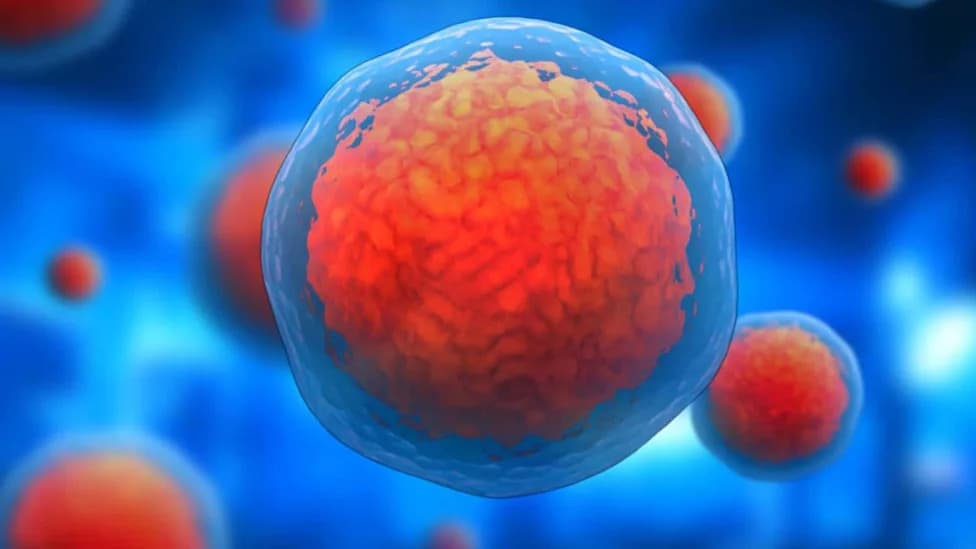
Death does not instantly erase a person's genetic material. Long after the heart stops and the brain ceases normal function, DNA can persist inside cells and tissues — even as the cellular environment rapidly deteriorates. Oxygen disappears, energy runs out, enzymes break structures down and different organs decompose at different rates.
Genes Can Keep Working — For A While
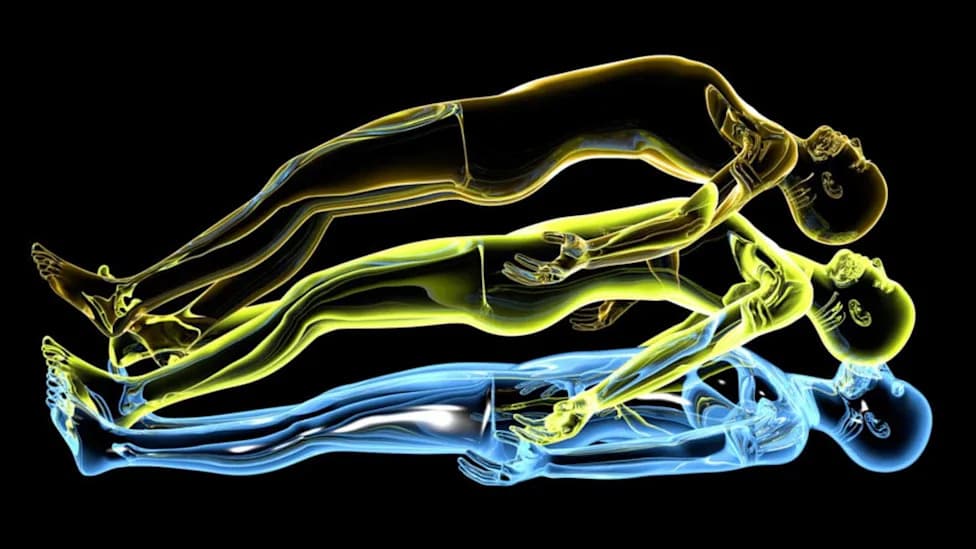
Researchers have discovered a surprising phenomenon: some genes remain active for hours after death, and in certain cases their activity actually increases compared with levels immediately beforehand. These postmortem changes are not evidence that the person is alive, but they reveal that the molecular transition from life to death is gradual and heterogeneous across the body.
Why this happens: When blood flow stops, cells face oxygen deprivation, energy failure and chemical imbalances. For a limited time, surviving cellular machinery can still transcribe RNA and trigger stress-response programs (inflammation, immune signaling, heat-shock proteins and other pathways) before systems collapse.
What The Study Found
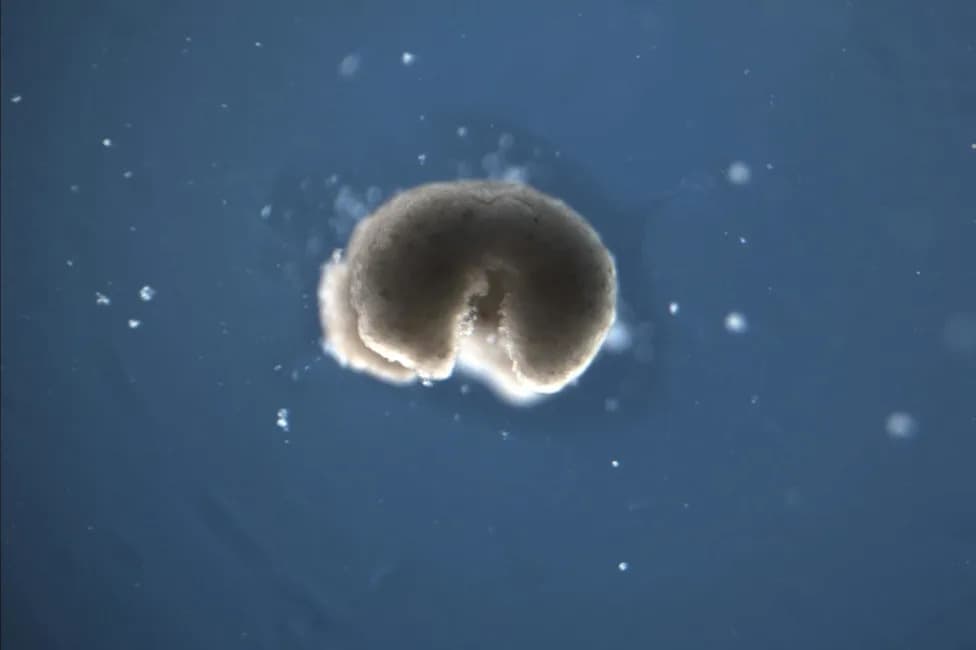
A Nature Communications analysis of more than 2,000 human postmortem samples identified thousands of genes whose expression shifted with the postmortem interval. Many genes declined in activity as expected, but a notable subset increased — and the patterns were tissue-specific. Blood, brain, lung, skin and digestive tissues each followed different molecular timetables, so molecular “shutdown” is not a single synchronized event.
Takeaway: Some cells continue to mount organized stress responses after death, and different tissues follow distinct postmortem trajectories.
Forensic Potential: A Molecular Clock?
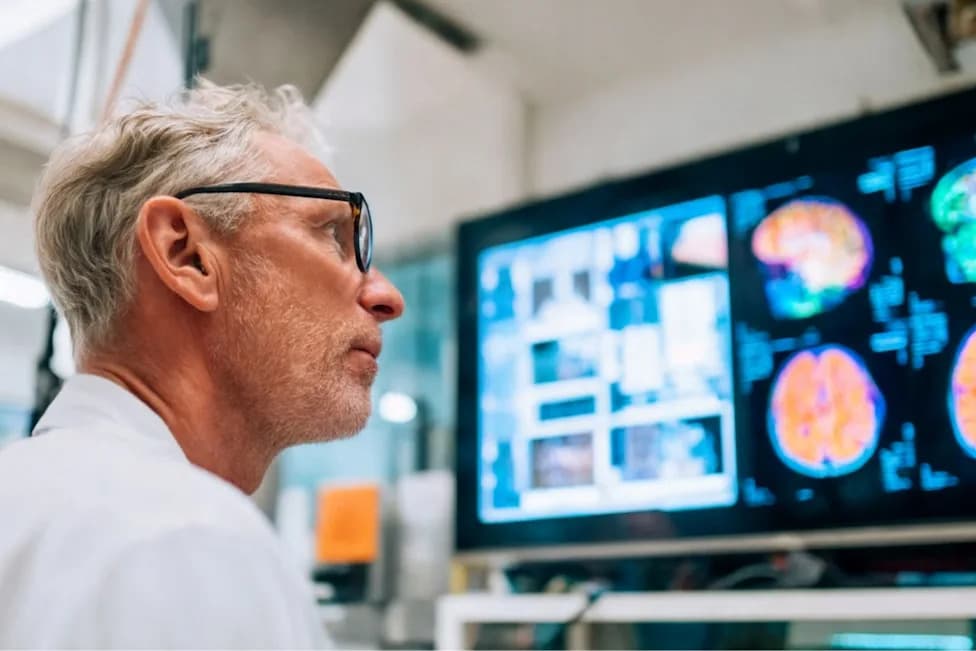
Because some gene-expression changes follow predictable timing, researchers are exploring whether postmortem molecular patterns could supplement traditional forensic methods (body temperature, rigor mortis, livor mortis, entomology and scene evidence). A reliable molecular clock could improve estimates of time since death, particularly when conventional signs are ambiguous or degraded.
Photo Credit: Deposit Photos
DNA Degradation And Preservation
Even as gene activity continues briefly, the DNA molecule itself begins to fragment. Nucleases, microbial activity, membrane breakdown and environmental exposure all accelerate decay. Temperature, humidity, soil chemistry and sunlight strongly influence how fast DNA fragments.
Protected tissues: Bones and teeth — especially dense regions like the petrous portion of the temporal bone — shield DNA from moisture and microbes and often preserve fragments far longer than soft tissue. Under favorable conditions, scientists have recovered and sequenced DNA from remains thousands or even hundreds of thousands of years old, though the recovered material is usually highly fragmented and requires computational assembly.
Takeaway: DNA can persist long after soft tissues decay, but preservation depends heavily on tissue type and environment.
Epigenetics And Postmortem Changes
Beyond the DNA letters, chemical marks such as DNA methylation help control gene activity. These epigenetic patterns can shift or degrade after death, complicating efforts to infer age, tissue origin or pre-mortem biological states. Forensic and molecular researchers must distinguish changes that existed in life from those that arise after death.
Practical Implications
- Forensics: Gene-expression timetables could become an additional tool for estimating postmortem interval.
- Ancient DNA and archaeology: Bones and teeth remain valuable sources for reconstructing ancestry and population history.
- Biomedical research: Understanding postmortem molecular changes helps interpret tissue samples and improves tissue-banking protocols.
At the macroscopic level, death may be declared at a single time, but molecularly the process is complex and staggered: some genes turn up, others turn down, RNA degrades and DNA fragments accumulate at different rates across organs. The striking insight is not merely that DNA survives, but that tissues can perform organized molecular responses during the transition to decay.
Question: Which surprises you more — that some genes become more active after death, or that fragments of your DNA could remain readable for thousands of years?
Help us improve.