Laboratory studies show frog embryonic skin cells can self-assemble into mobile multicellular structures called xenobots, and related work with human cells produced anthrobots that aided in vitro repair. Researchers have also described persistent post-mortem gene activity—the thanatotranscriptome—and sometimes refer to a descriptive "third state" of cellular activity. Debate continues over whether these behaviors reflect primitive "basal cognition" or are fully explained by biochemical and developmental programs; there is no accepted evidence for cellular consciousness.
A 'Third State' Between Life and Death? Xenobots, Anthrobots and the Debate Over Cellular Agency
Image: Deposit Photos
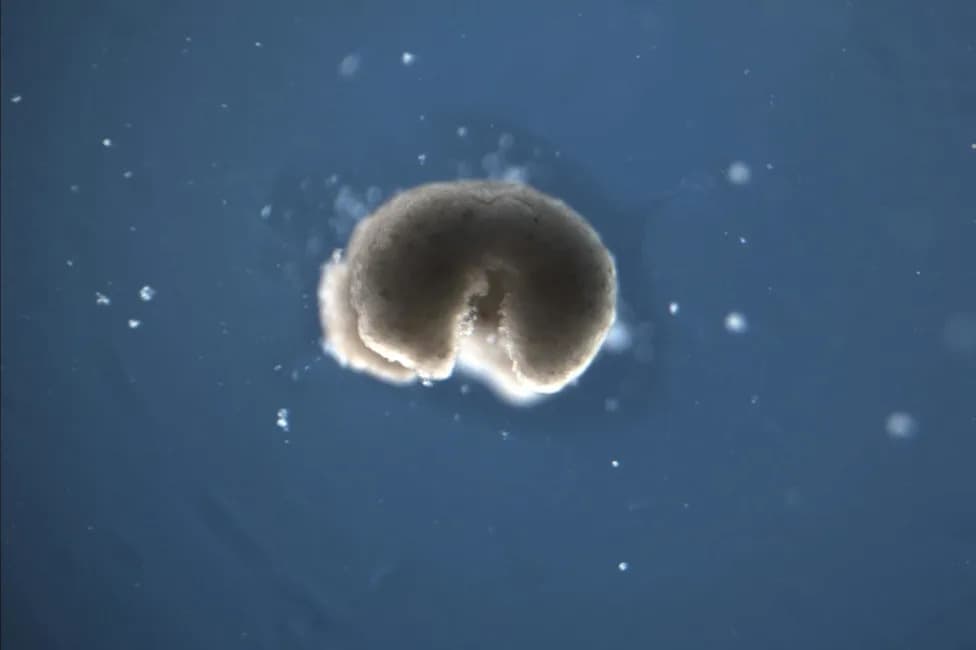
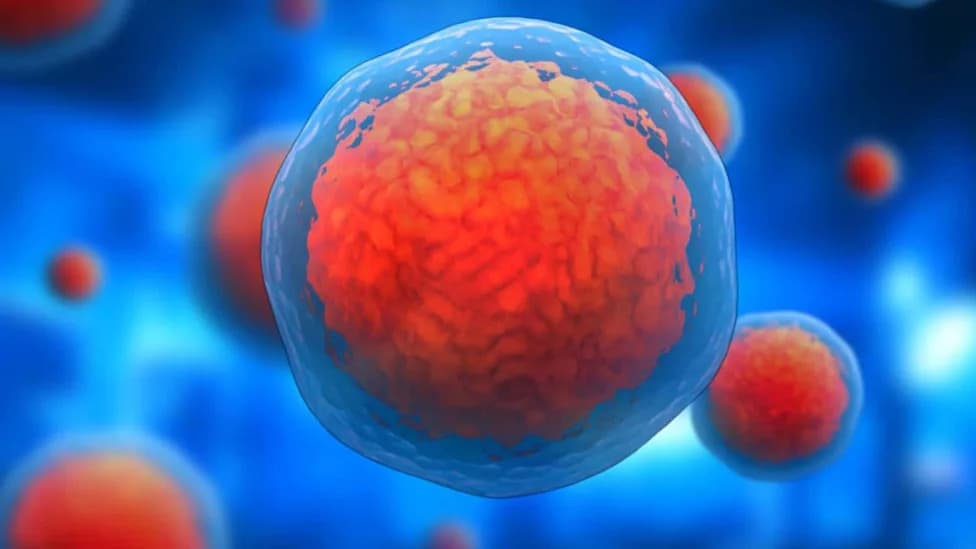
Laboratory experiments are revealing that isolated cells can behave in surprising, organized ways outside their original bodies. Skin cells taken from frog embryos and kept under controlled lab conditions can self-assemble into moving, multicellular constructs called xenobots. Related work with human cells has produced similar small assemblies called anthrobots, and researchers are debating how to describe these phenomena and what they mean for definitions of life, death and cellular behavior.
What Researchers Observed
Scientists at Tufts University and the University of Vermont showed that frog embryonic skin cells can reorganize into xenobots that move and perform tasks those cells never performed inside the original embryo. In follow-up studies, the same skin cells repurposed cilia—hairlike cellular projections—to power locomotion, a role they did not normally use in the intact animal.
Researchers working with cultured human lung cells built small motile assemblies called anthrobots. In vitro experiments found that anthrobot clusters could promote repair across scratched sheets of cultured human neural cells, including visible neurite extension into damaged areas. These outcomes were observed in the laboratory and do not demonstrate the same effects would occur inside a living person.
Thanatotranscriptome And The So-Called "Third State"
Analyses by Peter Noble, Alex Pozhitkov and others identified persistent patterns of gene expression after organismal death that they call the thanatotranscriptome. Depending on tissue type, temperature and available nutrients, some cells continue regulated molecular programs for hours or days after the whole organism has stopped functioning. Researchers sometimes use the descriptive phrase "third state" to discuss persistent or reorganized cellular activity after death; this is a conceptual label, not a medical or legal classification of death.
How Scientists Interpret These Behaviors
There are two main interpretive frameworks. Michael Levin and collaborators argue these behaviors reflect a form of basal cognition—information processing and goal-directed regulation at the cellular level without a nervous system. They suggest cells and cell assemblies can sense, communicate and pursue functional outcomes.
The competing explanation attributes the same behaviors to known biochemical regulation, developmental programs, physical constraints and intercellular signaling, with no need to invoke cognition or subjective experience. A 2024 letter in EMBO Reports criticized claims that these results demonstrate cellular consciousness, emphasizing that such claims currently lack sufficient empirical support.
Definitions And Limits
In this literature, "autonomy" means that engineered structures display self-directed biological activity without continuous external intervention; it does not imply intention, self-awareness or inner experience. No accepted evidence establishes cellular consciousness. The documented phenomena—movement, self-assembly, environmental responsiveness and in vitro repair-associated activity—are reproducible observations that can be interpreted in different scientific frameworks.
Potential Applications And Ethical Considerations
Researchers highlight possible future applications in regenerative medicine, targeted drug delivery, tissue repair, disease modeling and bioengineering. All such uses remain experimental. Any clinical application would require extensive safety testing (including immune-response assessment and control of unintended growth), environmental risk evaluation and ethical and regulatory review.
Some bioethicists and scientists have asked whether sustained post-mortem cellular activity should prompt policy discussions about how biological death is defined. That is a normative question for clinicians, regulators and ethicists rather than a direct consequence proven by the experiments themselves.
Bottom Line
The data robustly show cells can persist, reorganize and produce new behaviors in controlled lab settings. Whether those behaviors warrant labels such as "cognition," "agency" or "consciousness" is an open empirical and philosophical question. Future research must develop operational tests to distinguish cellular responsiveness from any measurable form of subjective experience, if that distinction is even possible.
Help us improve.