The line between cardiac arrest and irreversible death is shifting as resuscitation science advances. Techniques like ECPR/ECMO, brain monitoring during prolonged CPR, and experimental perfusion systems (BrainEx, OrganEx) show that some cells and brain circuits can remain recoverable far longer than previously thought. However, restoring circulation or cellular metabolism is not the same as restoring consciousness or personhood, and current research focuses on preventing reversible injury from becoming permanent.
How Close Are We to Bringing People Back After Death? Inside the Real Science of Resuscitation

Scared Woman
For most of human history, a stopped heart meant life was effectively over. Advances in modern medicine have changed that: chest compressions can maintain some circulation, defibrillators can restart certain lethal rhythms, machines can temporarily replace the heart and lungs, and experimental techniques have restored cellular activity in organs after surprisingly long periods without blood flow.
Why time matters — and why it’s complicated
When the heart stops, the immediate threat is that oxygen-rich blood no longer reaches the brain and other vital tissues. That triggers a cascade of cellular injury that becomes harder to reverse with each passing minute. Modern cardiopulmonary resuscitation (CPR) aims to slow that cascade: effective chest compressions produce limited circulation while clinicians try to correct the underlying cause of arrest.
Takeaway: The primary aim of resuscitation is not merely to restart the heart but to preserve enough brain and organ function that restarting the heart will produce a meaningful recovery.
Machines that stand in for the heart: ECPR and ECMO
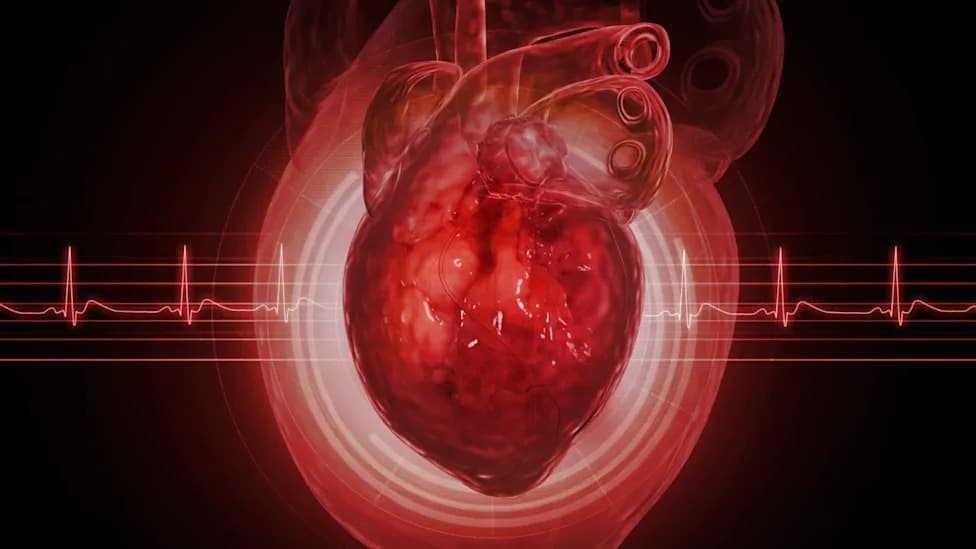
One important advance is extracorporeal cardiopulmonary resuscitation (ECPR). Rather than relying solely on chest compressions, selected patients are placed on an ECMO device that circulates and oxygenates blood externally. That can produce circulation much closer to normal while clinicians treat a reversible cause of arrest.
The ARREST randomized trial—focused on out-of-hospital cardiac arrests from refractory ventricular fibrillation—was stopped early because an ECMO-based strategy improved survival in this narrowly defined group. ECPR is not suitable for everyone: it requires specialized equipment, trained teams and rapid transport, and results vary by setting and patient selection.
Takeaway: ECMO-based ECPR can sustain oxygenated circulation when CPR alone cannot, potentially extending the window for successful treatment in selected patients.
What the brain does during prolonged resuscitation
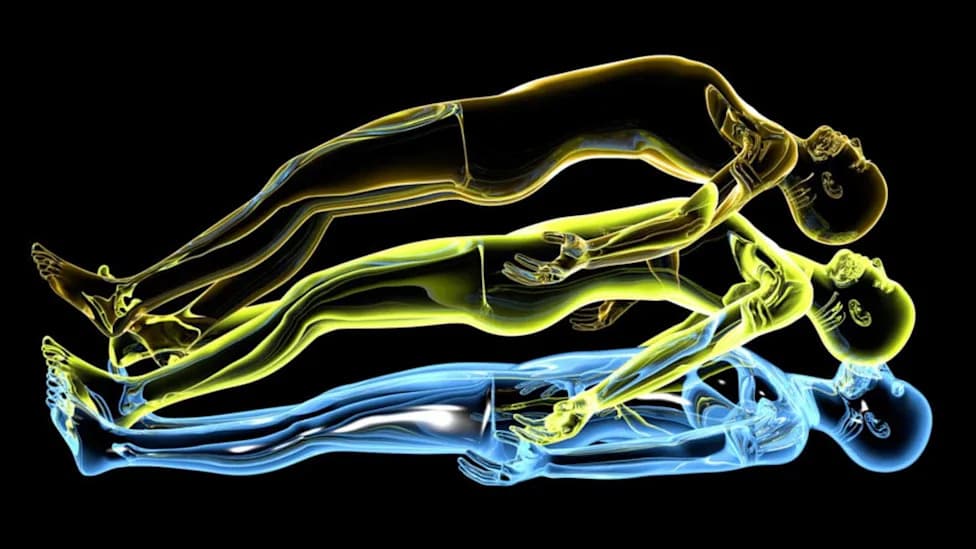
If the brain uniformly lost all organized activity within minutes of arrest, prolonged resuscitation would rarely help. Evidence suggests a more nuanced reality. The AWARE II study monitored hundreds of in-hospital arrests using EEG and brain-oxygen sensors and found normal-appearing EEG patterns (delta, theta and alpha activity) emerging as late as 35–60 minutes into resuscitation in some patients. A few survivors later reported memories or perceptions tied to the arrest period.
Those EEG findings don’t prove continuous consciousness, and partial circulation from CPR likely supported much of the activity. Still, organized brain activity can persist or reappear much later than the simplistic “brain switches off after a few minutes” notion.
Takeaway: Ongoing CPR can sometimes maintain enough blood flow for organized brain activity to persist or return later during resuscitation.
Restarting the heart is only the first hurdle
Getting a pulse back is a major step, but many patients who initially survive cardiac arrest later die because brain injury has already occurred or progresses after circulation returns. The American Heart Association estimates roughly two-thirds of patients who survive to hospital admission after cardiac arrest subsequently die in hospital, with post-cardiac-arrest brain injury a leading cause.
Photo Credit: Deposit Photos
A key mechanism is reperfusion injury: restoring oxygen is essential, but the abrupt return of blood can spark inflammation, oxidative stress and metabolic disruption in already damaged cells. That is why modern post-arrest care emphasizes careful control of oxygen, blood pressure, ventilation, temperature and neurological monitoring.
Takeaway: Protecting the brain after circulation returns is as important as restoring circulation in the first place.
Experiments that probe how long cells remain recoverable
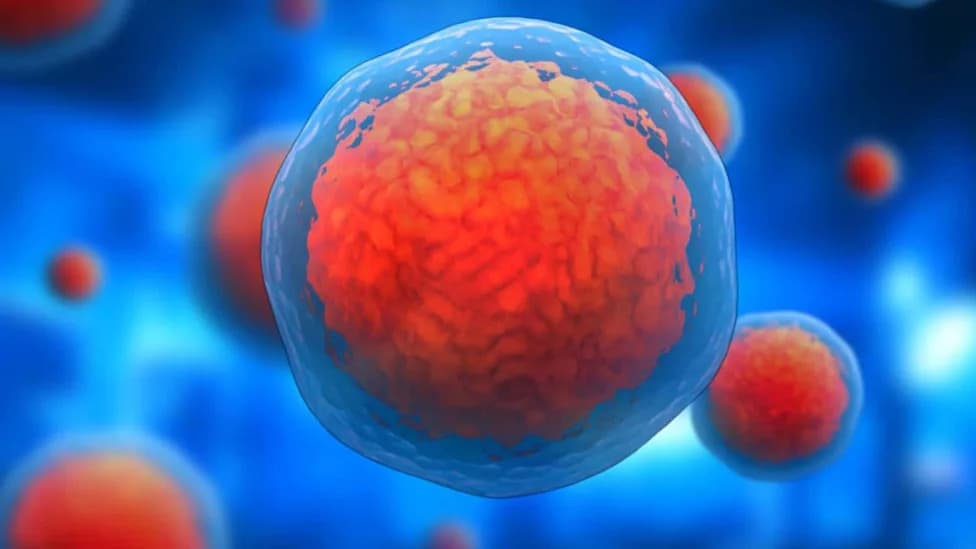
Some of the most provocative work has asked how long brain cells truly remain biologically salvageable after blood flow stops. In the BrainEx experiment, researchers waited four hours after slaughter to connect pig brains to a bespoke perfusion system that circulated an oxygen-carrying protective solution. They restored microcirculation, active metabolism, vascular responses and synaptic activity in some regions, and observed less cell death than in untreated samples. The team did not restore global electrical patterns associated with consciousness.
OrganEx extended this approach to whole animals. After one hour without circulation, pigs were connected to a perfusion system containing blood, oxygen carriers and protective agents. OrganEx restored circulation throughout the body and improved tissue integrity and metabolic markers in heart, liver and kidneys. These animals were not revived as conscious, functioning beings—the studies targeted cellular recovery rather than whole-animal revival.
Takeaway: BrainEx and OrganEx show that some cells and circuits can remain biologically recoverable much longer than previously thought, but restoring cellular metabolism is not the same as restoring consciousness or identity.
Rare spontaneous returns of circulation
Autoresuscitation—spontaneous return of circulation after apparent arrest—has been reported in controlled withdrawal-of-care studies and case reports. An updated systematic review found 19 occurrences among 1,049 patients in controlled-observation settings; these events happened within five minutes and did not lead to long-term recovery. Such rare events explain why clinicians usually observe a waiting period before declaring death by circulatory criteria.
Takeaway: Occasional spontaneous returns of circulation underline the distinction between temporary circulatory arrest and permanent cessation.
Where resuscitation science is heading
Future advances are likely to focus on stopping the cascade of cellular injury before it becomes irreversible—through faster cooling, better artificial circulation and perfusates or drugs that limit inflammation, clotting and reperfusion harm. Many experts now argue that combined neuroprotective strategies, rather than single drugs, will be needed to address the multiple simultaneous injury pathways.
Takeaway: The next generation of resuscitation will likely pair mechanical circulation with targeted therapies that actively preserve cells during and after cardiac arrest.
What “bringing people back” actually means
If by “death” we mean cardiac arrest, medicine already restores many people daily. If we mean irreversible loss of all brain function, current science has not demonstrated reversal. The important nuance is that researchers are pushing back the point at which damage becomes irreversible, not proving that irreversible death itself can be undone.
Final question: Which seems like the bigger breakthrough—machines that can maintain circulation after the heart stops, or technologies that keep cells recoverable much longer without normal blood flow?
Help us improve.