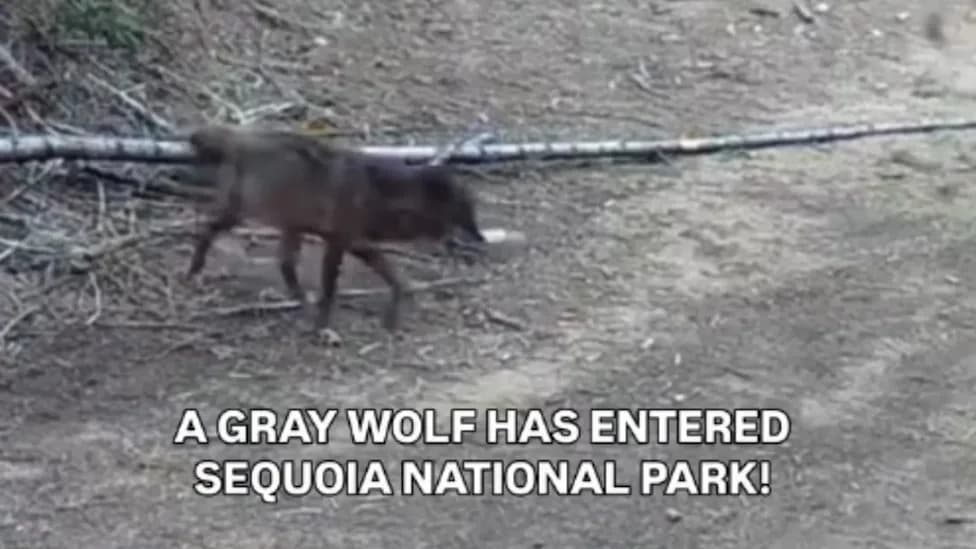
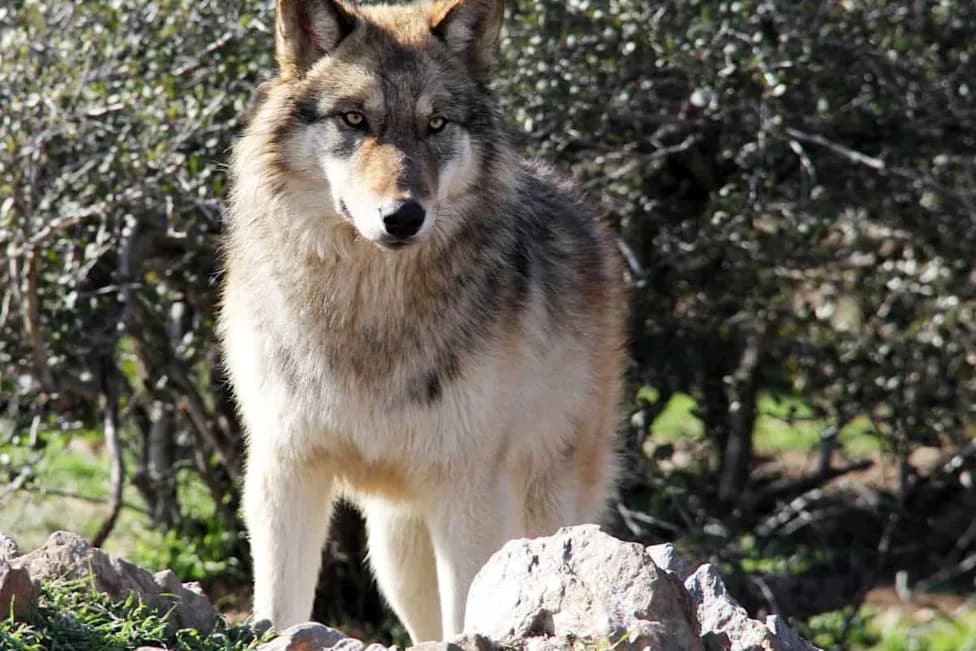
Mollie's Pack, the last Yellowstone wolf pack directly descended from the 1995–96 reintroduction, survived a recent Wyoming hunting season intact after spending much of late 2025 and early 2026 in Area 1 northwest of Cody. State officials reported that wolves taken in the hunt were not from Yellowstone-assigned packs, and hunt areas one and two closed after hitting a four-wolf mortality cap. The episode highlights the ongoing tension between hunting regulations and long-term recovery for wolves that range beyond park boundaries.
Mollie's Pack — Yellowstone's Last Original Wolves — Survive Wyoming Hunting Season Intact
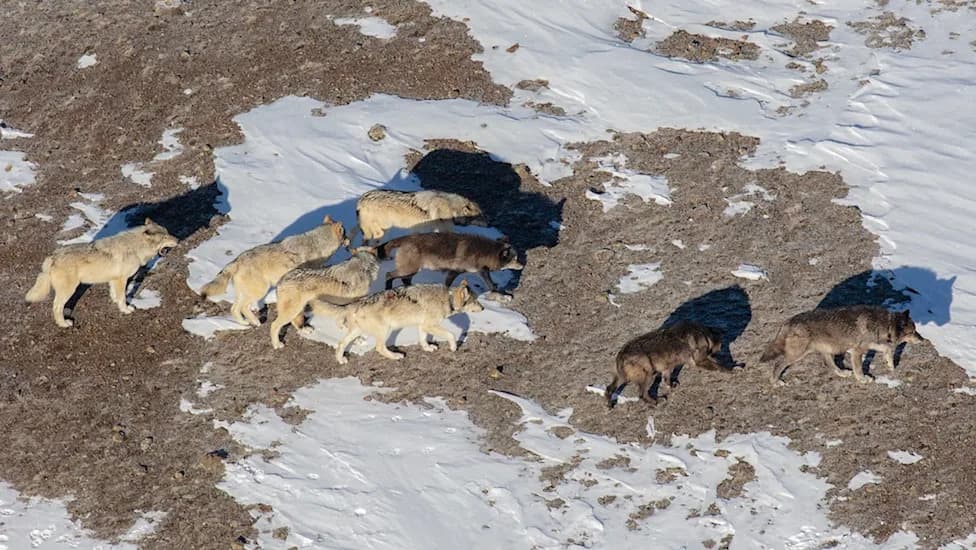
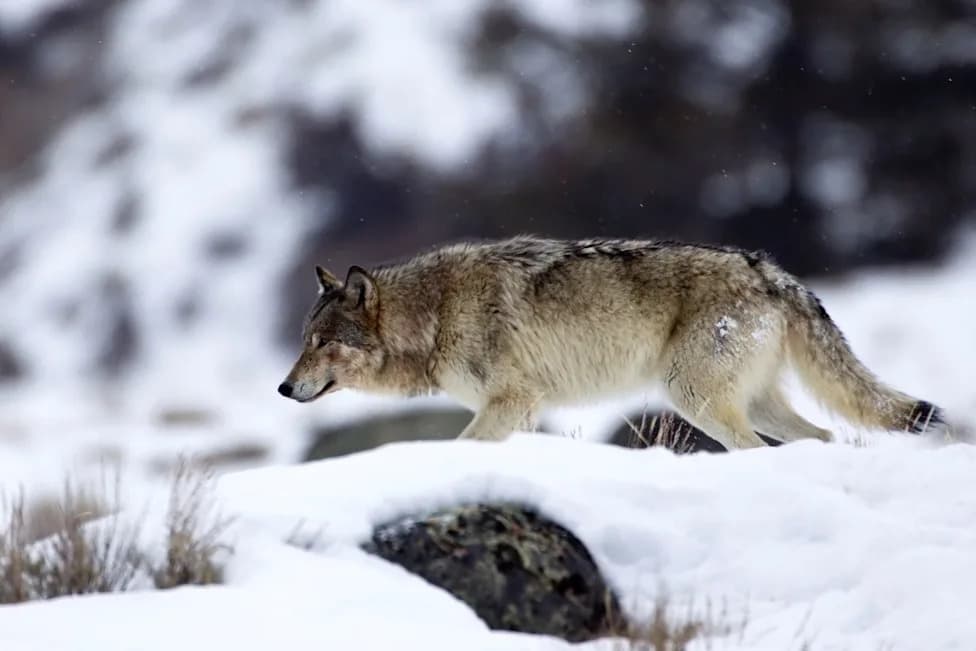
Photo Credit: Douglas Smith / National Park Service
Wyoming officials confirmed that Mollie's Pack — the only Yellowstone wolf pack directly descended from the animals reintroduced in 1995–96 — emerged from the most recent hunting season without any confirmed losses. The news provided relief to biologists and wolf watchers after the pack spent much of late 2025 and the first half of 2026 outside Yellowstone's Pelican Valley in Wyoming's wolf hunt Area 1 (northwest of Cody).
WyoFile announced the update on Instagram, noting the pack's name honors the late U.S. Fish and Wildlife Service director Mollie Beattie, who helped lead the landmark recovery program before her death from cancer.
What Happened During The Hunt
Park and state officials had expressed concern because the pack left its longtime Yellowstone territory and moved into a regulated hunting zone. However, interim deputy director Dan Smith of the Wyoming Game and Fish Department told the Wyoming Game and Fish Commission that the wolves taken during the hunt were not members of packs previously assigned to Yellowstone.
"Wolf hunt areas one and two did close on Saturday, after reaching the mortality limit of four wolves," Smith said, according to WyoFile.
Why This Matters
By the mid-20th century, wolf numbers near Yellowstone had been severely reduced by habitat loss, hunting, and government eradication programs. The 1995–96 reintroduction reversed that decline, and over roughly 30 years wolves have become central to Yellowstone's modern identity.
Wolves have helped restore predator–prey dynamics and triggered cascading ecological changes documented by scientists, including vegetation recovery and shifts in ungulate behavior. They also draw visitors, photographers and researchers, contributing both cultural and economic value to the region.
Intact packs from an original reintroduction cohort are uncommon in the wild because dispersal, mortality and shifting territories are constant. This season's outcome underscores the fragile balance between state hunting policy and long-term recovery goals for wolves that cross park boundaries.
Looking Ahead
Managers and conservationists say continued monitoring, coordinated state–federal policies, and public awareness will be important to ensure that Yellowstone-linked packs remain viable as individuals and groups move across jurisdictional lines.
Help us improve.