Researchers report that a heart’s biological age can change after transplantation. In mice, a second donor heart attached in the neck aged or rejuvenated depending on whether the host was old or young. In a small human analysis of 11 transplant recipients, the biological age of grafted hearts correlated strongly with recipient age, suggesting the systemic environment governs tissue biological age.
Transplanted Hearts Can Adopt the Recipient’s Biological Age, Study Finds
New research in mice and humans suggests a transplanted heart’s biological age can shift to match its new host. The findings point to the recipient’s systemic environment as a powerful influence on tissue aging.
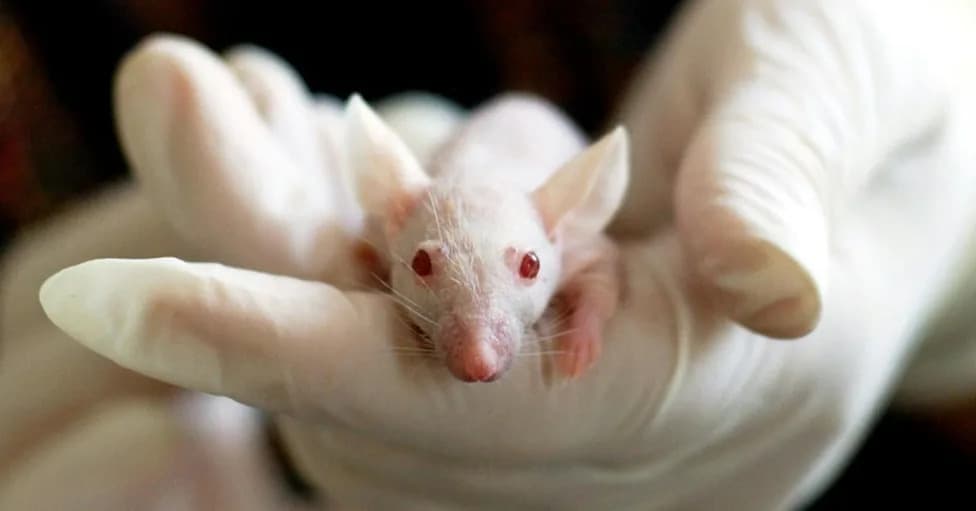
Mouse experiments: In the animal studies each mouse retained its native heart while receiving a second donor heart that was attached in the neck region. Researchers observed that only the transplanted (neck) hearts underwent pronounced changes in biological age. Young donor hearts implanted into older mice showed signs of accelerated biological aging, while older donor hearts transplanted into young mice appeared rejuvenated.
Human analysis: The team profiled hearts from 11 transplant recipients who had substantial age gaps with their donors — in the cohort, recipients ranged from 24 years younger to 50 years older than the donors. The investigators reported a strong correlation between the biological age of transplanted hearts and the age of the recipients, despite the large chronological age differences.
"Our data demonstrate that systemic environment governs tissue biological age. These results broadly reinforce the idea that biological age may be affected by exposure to a novel systemic environment," the researchers said.
These results, observed in both animal models and human patients, reinforce the idea that circulating factors and the host environment can shape tissue aging after transplantation. The findings may have implications for understanding aging biology and for improving long-term outcomes after organ transplantation.
Help us improve.