How To Spot Romance And Deepfake Scams: An 80‑year‑old woman sent scammers £140,000 after being groomed on Facebook and persuaded to post cash to a Shanghai hospital. Look for red flags such as secrecy, mood changes, frequent bank or post‑office visits, unusual purchases like gift cards, and out‑of‑character online behaviour. Contact the bank, ask calm open questions, involve an impartial third party, and consider resetting the victim’s digital footprint to stop further contact.
‘Mum Sent Them £140,000’: How To Spot Romance And Deepfake Scams — And Help A Loved One

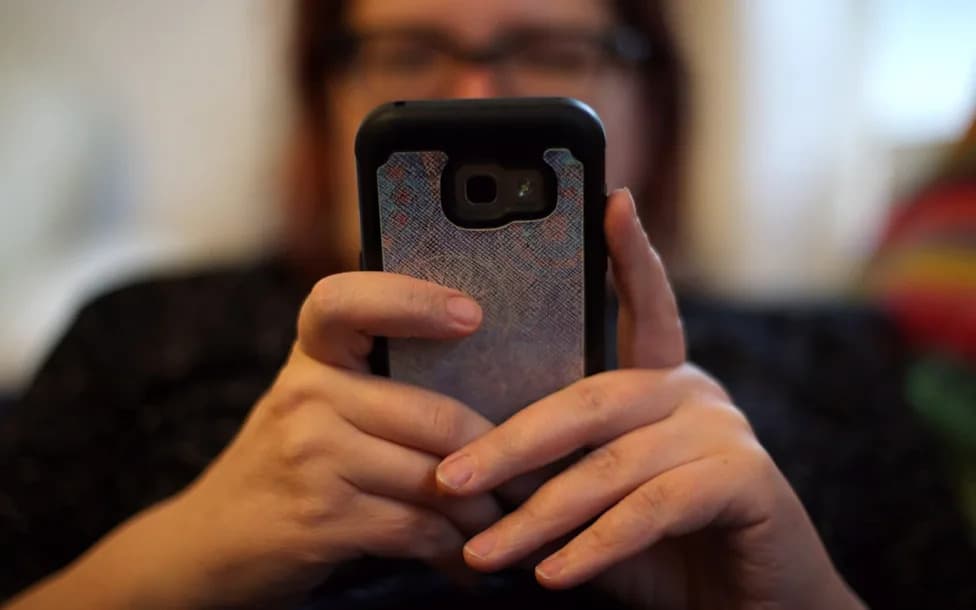
Helen noticed changes in her mother's behaviour and discovered she had fallen victim to a romance scam [Helen]
Head over heels after meeting a man online, Helen’s 80‑year‑old mother hollowed out a book, put £10,000 in cash inside and posted it to a Shanghai hospital where the man was supposedly waiting for a life‑saving operation. When he recovered they would be together, she was told. Later, another fraudster claimed he had been kidnapped and demanded a ransom. In total, the woman sent scammers £140,000.
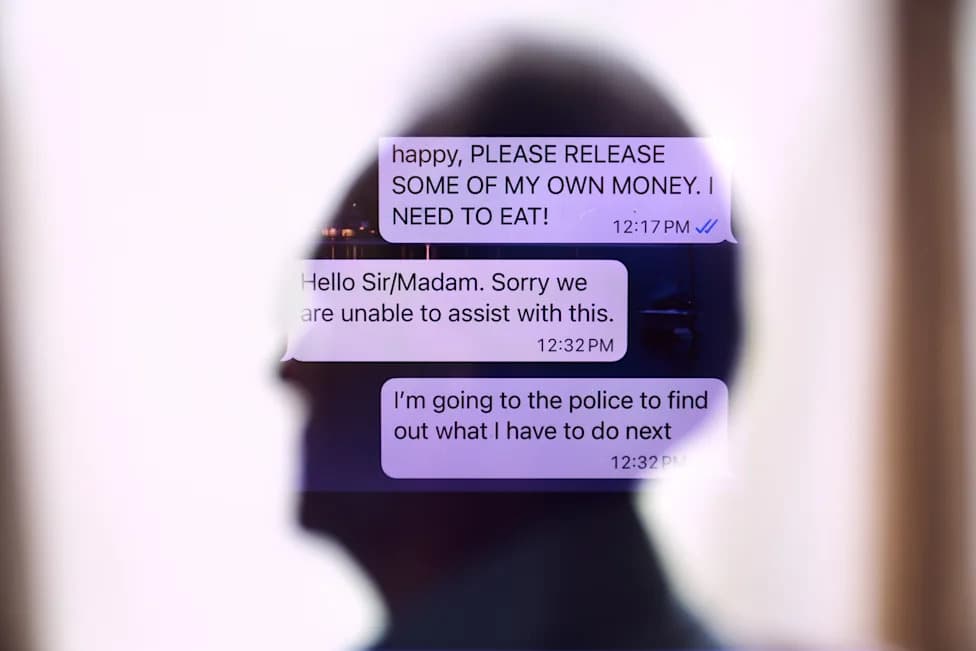
The first clear sign something was wrong came when Helen’s mother accidentally forwarded messages meant for the criminals to Helen. Her mother then became more secretive about her contacts and finances. "It became obvious to me something was going on again," Helen says.
Helen’s mother met the scammers on Facebook. They used artificial intelligence to alter photos and video calls — a deepfake technique that can convincingly change someone’s appearance and behaviour. With criminals adopting increasingly sophisticated tools, fraud cases in the UK have risen sharply: more than £1.3bn was stolen by scammers in 2025.
How The Scam Unfolded
Helen noticed frequent phone and video calls and that her mother would not say who she was speaking to. Trying to untangle the situation left her "emotionally drained," she told BBC Radio 4's Scam Secrets. When Helen persuaded her mother to allow a video call so she could speak to the alleged partner, she noticed telltale signs of a deepfake: a slightly fuzzy image and a voice that was out of sync with the speaker’s lips.
"She said I made her feel disgusted and ashamed... and that I should let her have her relationship and not intervene," Helen recalls.
Expert Advice: How To Spot The Signs
Scam Secrets presenter Shari Vahl and other experts highlight common red flags that someone may be involved in a romance or deepfake scam:
- Change In Behaviour Or Mood: New secrecy, anxiety or sudden emotional ups and downs.
- Being Evasive Or Secretive: Refusing to discuss a new online relationship or becoming defensive when asked.
- Frequent Post Office Or Bank Visits: Regular trips that coincide with sending money or packages.
- Unusual Purchases: Buying gift cards, using courier services or posting large amounts of cash.
- Unexpected Financial Activity: Bank transfers, new accounts or unexplained withdrawals.
- Out‑Of‑Character Communication: Speaking differently online or by phone; video calls that look slightly off.
How Families Can Help
Experts recommend a calm, careful approach. Forensic linguist Dr Lis Carter warns that challenging a loved one’s relationship aggressively can make them defensive — they may feel you are "destroying that happiness." Police fraud protect officer Dale Richardson advises families to be "curious but not confrontational," and to ask open questions such as how the person was met and what they have said.
Practical steps Helen and experts took:
- Be Patient And Gather Information: Ask open, non‑judgmental questions to learn how the relationship started and what requests have been made.
- Contact The Bank: If you suspect fraud, contact the victim’s bank. Even where data privacy limits what staff can share, banks can often put safeguards in place and spot fraud hallmarks quickly.
- Use Legal Powers When Necessary: Helen had lasting power of attorney, which allowed her to act on her mother’s behalf and set protections on accounts.
- Reset The Digital Footprint: Change phone numbers, email addresses and social media accounts to stop scammers reaching the victim.
- Limit Device Capabilities: Replacing a smartphone with a basic handset (calls and texts only) can reduce contact from scammers.
- Enlist An Impartial Third Party: A neutral person — such as a bank officer, police fraud adviser or forensic expert — may help the victim accept the reality of the scam.
Outcome And Recovery
Helen’s intervention with the bank led to £45,000 being returned to her mother’s account so far. Despite changing her mother’s phone number multiple times, the victim continued to give new numbers to the scammers until Helen replaced the smartphone with a basic model. Jim Winters, head of economic crime at Nationwide, stresses that once a bank is aware of suspected fraud it can act quickly to limit losses.
Bottom line: Romance and deepfake scams are becoming more sophisticated, but there are practical, compassionate steps families can take to spot them early and protect loved ones.
Source: Scam Secrets
Help us improve.