Overview: The U.S. Supreme Court blocked Alabama's use of nitrogen hypoxia in June, and a federal injunction limited to that protocol allows the state to schedule Jeffrey Lee's execution by lethal injection. Lee's lawyers say he wants the method he selected implemented without violating the constitutional ban on cruel and unusual punishment; he also requested a firing squad, which Alabama law prohibits. Seven inmates have died of nitrogen asphyxiation since 2024, prompting medical and legal criticism, including a brief from the American Thoracic Society. A federal judge's ruling cleared the way for Alabama to set a new execution date.
Supreme Court Bars Nitrogen Hypoxia; Alabama Sets Lethal Injection Date for Jeffrey Lee
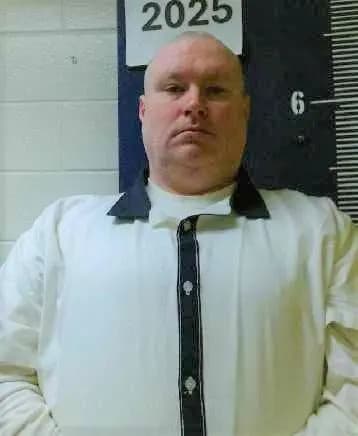
Jeffrey Lee is scheduled to be executed Thursday for the murder of a man and woman in a pawn shop in 1998. Image courtesy of Florida Department of Corrections
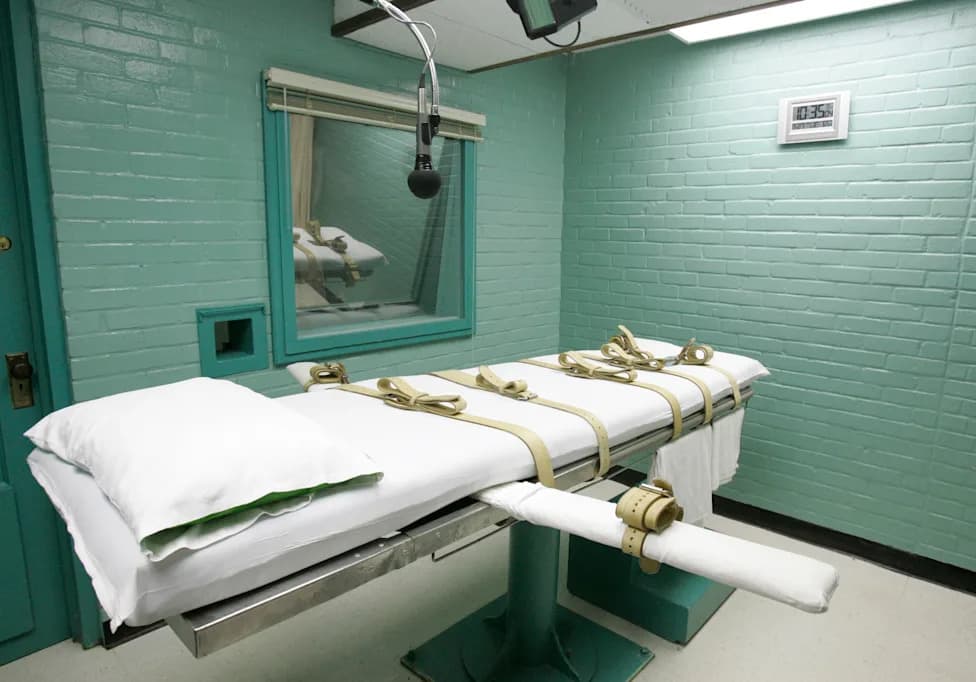
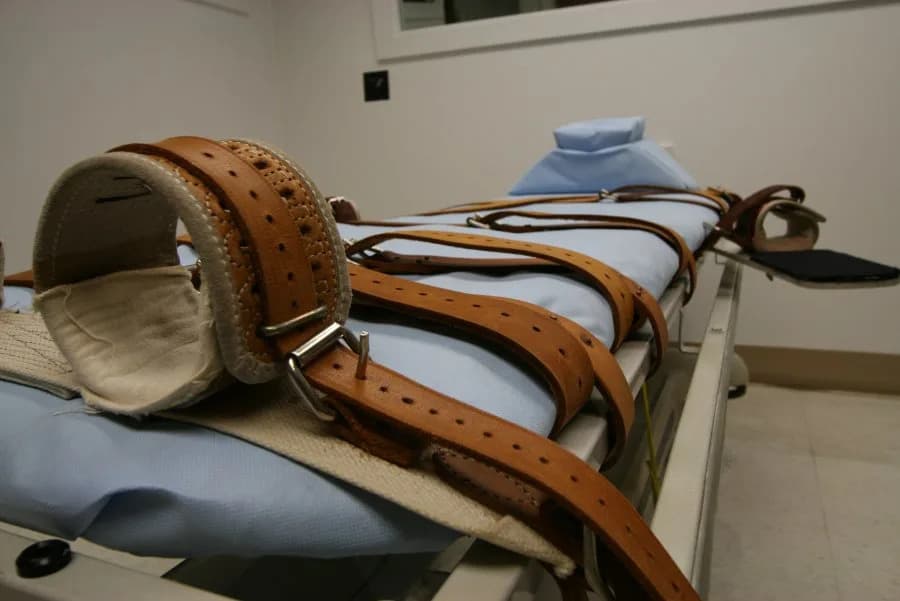
Alabama is scheduled to execute 49-year-old Jeffrey Lee after the U.S. Supreme Court blocked the state's plan to use nitrogen hypoxia in June. With the federal injunction applying only to the nitrogen protocol, state officials have set a new date to carry out the sentence by lethal injection.
Legal backdrop: The Supreme Court refused Alabama's request to use nitrogen gas in Lee's execution after two lower courts had concluded the state's nitrogen protocol could amount to cruel and unusual punishment. U.S. District Judge Emily Marks said the federal injunction covers only Alabama's nitrogen procedure, leaving lethal injection available to the state.
What Lee's lawyers say
Lee's attorneys say he does not seek to stop the execution itself but wants the state to honor the method he selected — and to implement it in a way that does not violate constitutional protections against cruel and unusual punishment. Lee also asked to be executed by firing squad, an option not allowed under Alabama law.
Crime and case history
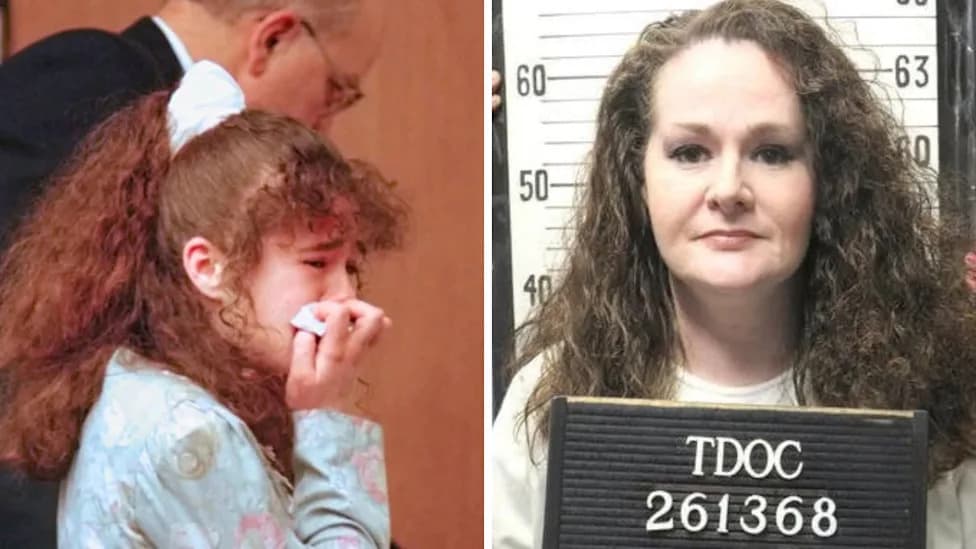
Lee was convicted of the 1998 double murder of pawnshop owner Jimmy Ellis — an acclaimed Elvis Presley impersonator — and Ellis' ex-wife, Elaine Thompson, during a robbery in Orrville, Ala. The victims and the case were profiled in the 2015 documentary Orion: The Man Who Would Be King. Survivor Helen King described in the film how she pretended to be dead as Lee rifled the register.
Controversy over nitrogen hypoxia
Since Alabama began using nitrogen for executions in 2024, seven inmates have reportedly died of nitrogen asphyxiation. Witnesses and critics say some of those executions took longer than officials described and involved visible distress, including gasping and convulsing. The American Thoracic Society filed a brief warning that "nitrogen hypoxia executions cause intense, inhumane suffering." Supporters of nitrogen hypoxia have argued it can be painless, but medical and legal experts continue to dispute its safety and constitutionality.
"After losing twice in federal court, Alabama now revives the very lethal injection method it promised to abandon," Lee's lawyers said. "Alabama isn't complying with the Constitution. It's trying to outrun it."
Sentencing details
At sentencing, Lee's jury recommended life without parole by a 7-to-5 vote, but the trial judge imposed the death penalty. Alabama abolished judicial override — the practice allowing judges to overrule jury recommendations in capital cases — in 2017.
This case highlights ongoing legal, ethical and medical debates over execution methods in the United States, and it underscores how procedural rulings can quickly shift the options available to states carrying out capital punishment.
Help us improve.