Researchers from the University of Essex and the University of Exeter used ultra high-speed cameras and a bird-vision model to show that certain butterfly wing patterns create motion-based optical illusions. Filming takeoffs at 1,057 frames per second, they found wing markings can make upward motion appear downward—an effect like the "barber pole" illusion. A computational evolution of 50,000 patterns produced designs resembling natural species, suggesting selection may favor illusion-generating markings. The study, published in Nature on September 30, offers a new explanation for bright upper-wing patterns versus camouflaged undersides.
Butterfly Wing Patterns Trick Predators: 1,057 FPS Footage Reveals a Motion Illusion

Credit: Liliboas / Getty Images
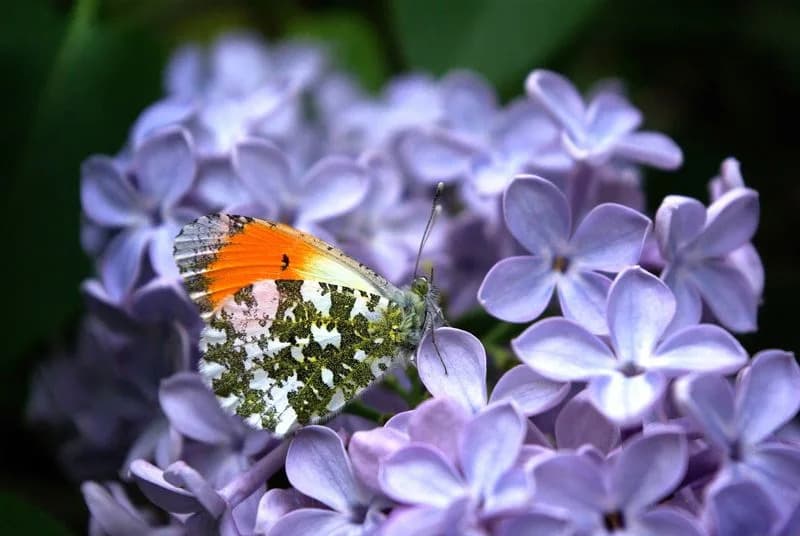
New research shows that some butterfly wing patterns do more than look beautiful: they create motion-based optical illusions that can mislead predators. Using ultra high-speed cameras and a bird-vision model, researchers found that certain stripe and spot arrangements on wings can make actual motion appear to go in the opposite direction, potentially causing a pursuing bird to miss its target.
The study was made possible by filming butterfly takeoffs against a green screen at 1,057 frames per second. Scientists from the University of Essex and the University of Exeter captured the launch sequences of five species (two species showed different male and female patterns, yielding seven distinct designs). The slow-motion footage was then processed through a computer model simulating avian vision to compare how a bird would perceive wing motion with the butterflies’ true movements.
"The first slow-motion video of a butterfly I put through our bird-vision computer model was glowing with downward motion even though the butterfly was moving up," said Dr. Jolyon Troscianko. "At first I checked for coding errors, but then I realised this could be an excellent way to confuse attacking predators."
The effect is similar to the classic "barber pole illusion": when diagonal stripes move, their orientation can make the motion appear to run along a different axis than the actual movement. On butterfly wings, these patterns can redirect perceived motion so that a bird aiming for the insect might strike a less vulnerable body region or miss completely.
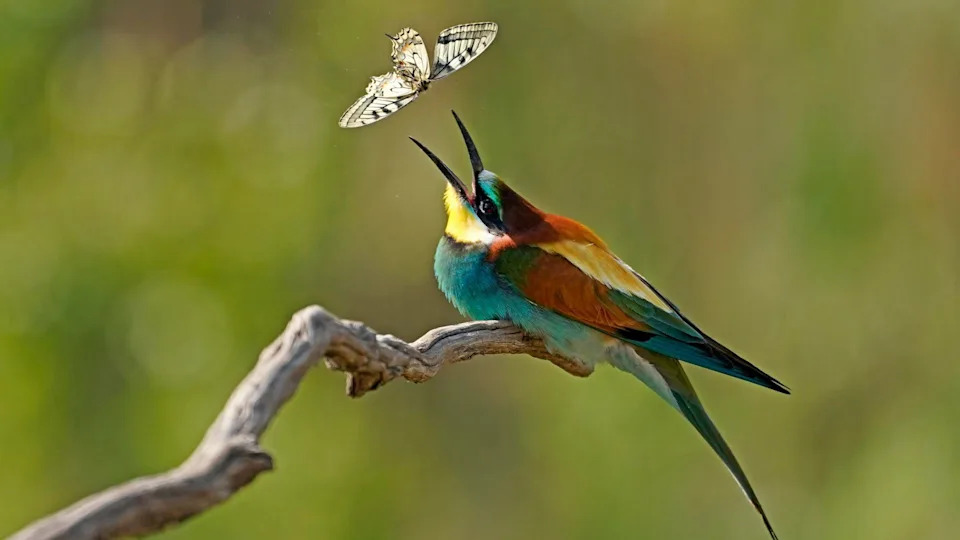
Researchers believe the pattern in butterfly wings creates an optical illusion designed to help predatory birds miss | Credit: imageBROKER/Ronald Wittek/Getty Images
Beyond the filmed species, the team surveyed patterns across roughly 400 European butterfly species and found many designs that could produce comparable motion illusions in flight. They also ran a computational "evolution" of 50,000 synthetic wing patterns; several of the best-performing, illusion-generating patterns closely resembled real butterfly markings, suggesting natural selection could favor such traits.
Why This Matters
Many butterflies have dull, camouflaged undersides that help them blend in while resting, yet display bright, conspicuous colors on their dorsal (upper) surfaces. This study offers a new explanation: bright upper-wing patterns may not be solely for signaling or display but can actively reduce predation risk by generating deceptive motion cues when the butterfly takes flight.
The authors suggest this finding could prompt broader research into whether similar visual tricks exist in other animals—such as zebras, fish, or birds—where patterns might have evolved to confuse predators. The study was published in the journal Nature on September 30 and has been peer‑reviewed.
Help us improve.