The Seine-Nord Europe Canal excavations at Beaurains-lès-Noyon have uncovered at least 546 medieval graves across roughly 30,000 square feet. Excavations from January to September 2026, following 2024 surveys, show graves arranged around a small ruined building and stacked up to five layers deep. Specialists date the site to the 11th–14th centuries and are debating whether it served as a parish cemetery or was linked to a leprosarium; radiocarbon dating and bone analysis are planned to clarify its purpose.
Unearthed Necropolis: 546 Medieval Graves Found During French Canal Excavation
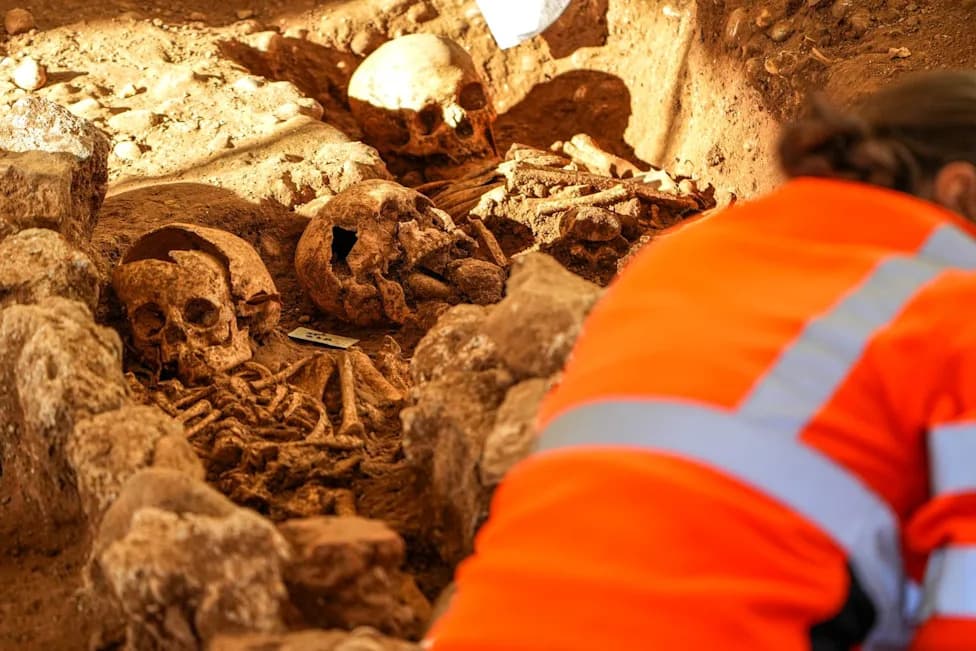
A Canal Dig Uncovered 546 Dead BodiesNICOLAS GUYONNET - Getty Images
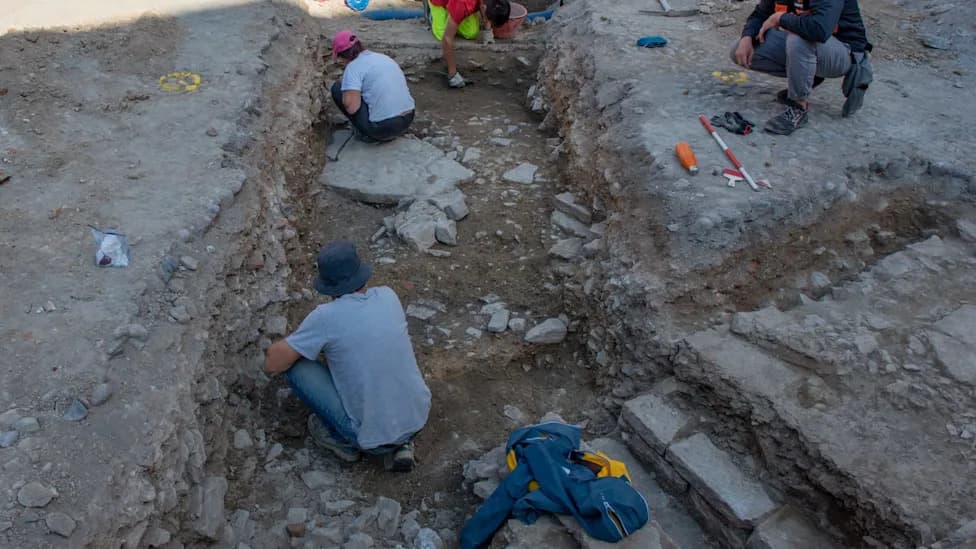
Work to build the Seine-Nord Europe Canal has unexpectedly exposed a large medieval burial ground at Beaurains-lès-Noyon in northern France. Excavations carried out between January and September 2026 have revealed at least 546 graves across roughly 30,000 square feet—far more than archaeologists anticipated for this rural location.
What Archaeologists Have Found
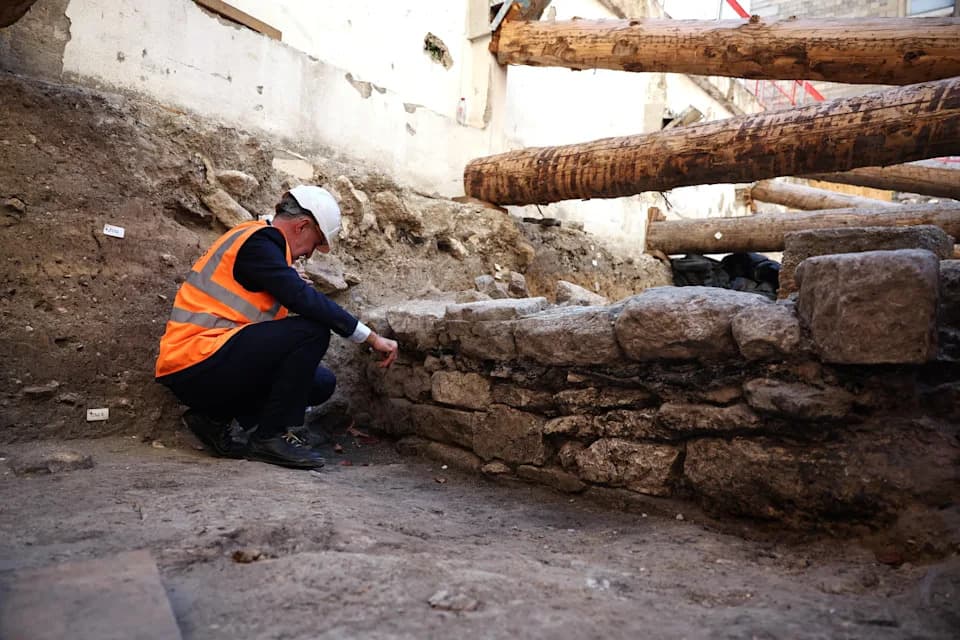
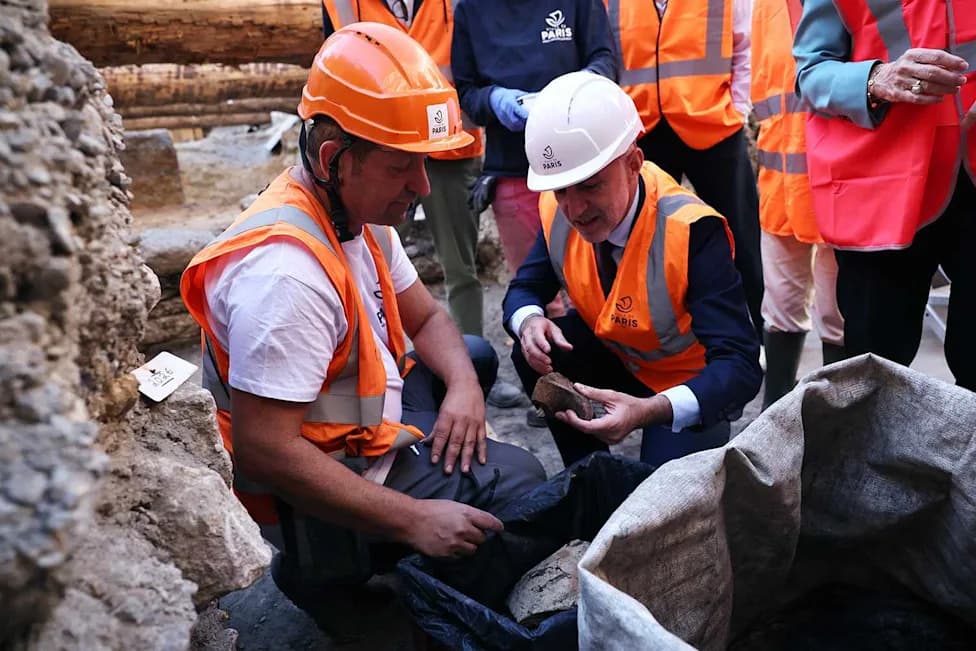
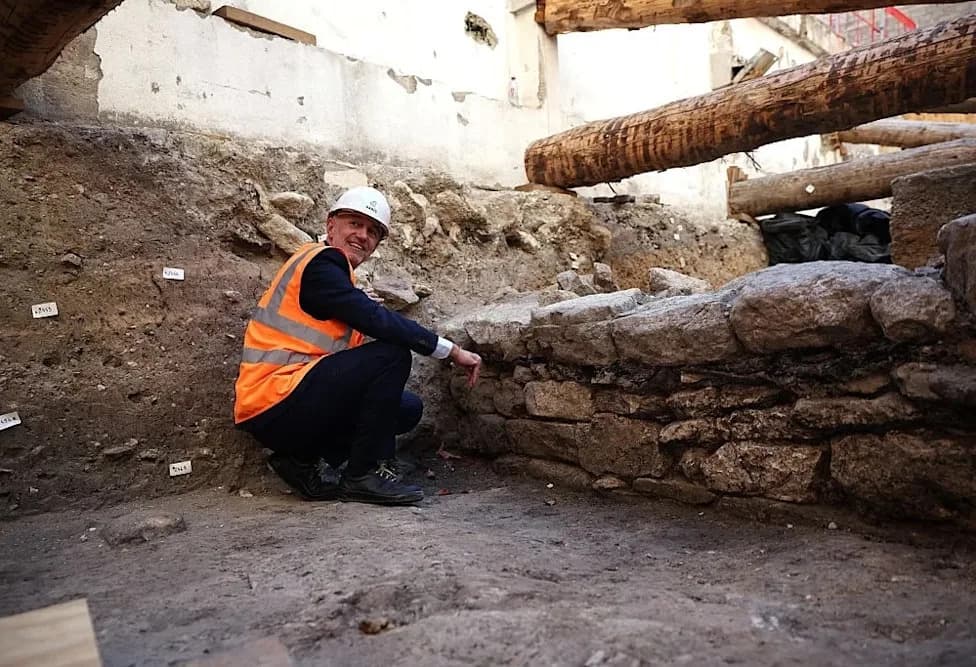
Preliminary surveys by the Regional Directorate of Cultural Affairs in 2024 detected human remains in the planned canal trenches, prompting systematic digs. Teams from the private archaeology firm Éveha, led in the field by Élodie Wermuth, quickly uncovered numerous burials many just beneath the topsoil. The cemetery appears organized around a small structure whose stones have been removed, and burials are tightly arranged—stacked in places up to five layers deep.
Dates, Layout and Demography
Based on burial form and associated evidence, specialists estimate the cemetery was used between the 11th and 14th centuries. The interments include men, women and children, suggesting a mixed community rather than a single isolated demographic. Some of the deepest burials include individuals who show signs of severe medical conditions that likely limited mobility.
Possible Explanations
Researchers are weighing competing interpretations. One hypothesis stems from observable pathological lesions on early skeletons: the site could be related to a medieval leprosarium or a community affected by contagious disease. Leprosariums have historical records in both Noyon and Bas-Beaurains, though no hospital buildings have yet been identified at this specific excavation area. Alternatively, the variety of ages and sexes represented supports the idea that the site functioned as a local parish cemetery for a once-significant settlement.
"Five hundred forty-six graves—and bearing in mind that we have only uncovered a portion of them—is a significant number for a rural setting," said Élodie Wermuth in an interview with France Info.
Next Steps
Excavations will continue as canal construction progresses nearby. Specialists plan to carry out radiocarbon (carbon-14) dating, detailed osteological and pathological analyses, and study any burial goods or structural traces. Combining biological data with historical records may clarify the cemetery's chronology and purpose—parish burial ground, hospital community, or something else.
For now, the Beaurains-lès-Noyon cemetery remains a striking reminder of how modern infrastructure projects can reveal long-hidden chapters of local history.
Help us improve.