Archaeologists uncovered a 72-foot stone-and-wood wall beneath the Hôtel-Dieu on the Île de la Cité, dated to roughly 200–10 BCE, alongside a Gallic spearhead. The structure shows evidence of burning—charred seeds and scorched timbers—which may relate to the destruction Julius Caesar described, though researchers urge caution. The find strengthens the case that ancient Lutetia stood on the island and fills an important gap in Paris’s pre-Roman history. Further digs and careful removal of the wall for study and display are planned.
Burned Gallic Wall Unearthed on Île de la Cité Reignites Debate Over Paris’s Origins
An Ancient Wall Unearthed in Paris Could Solve the Mystery of the City’s Origins
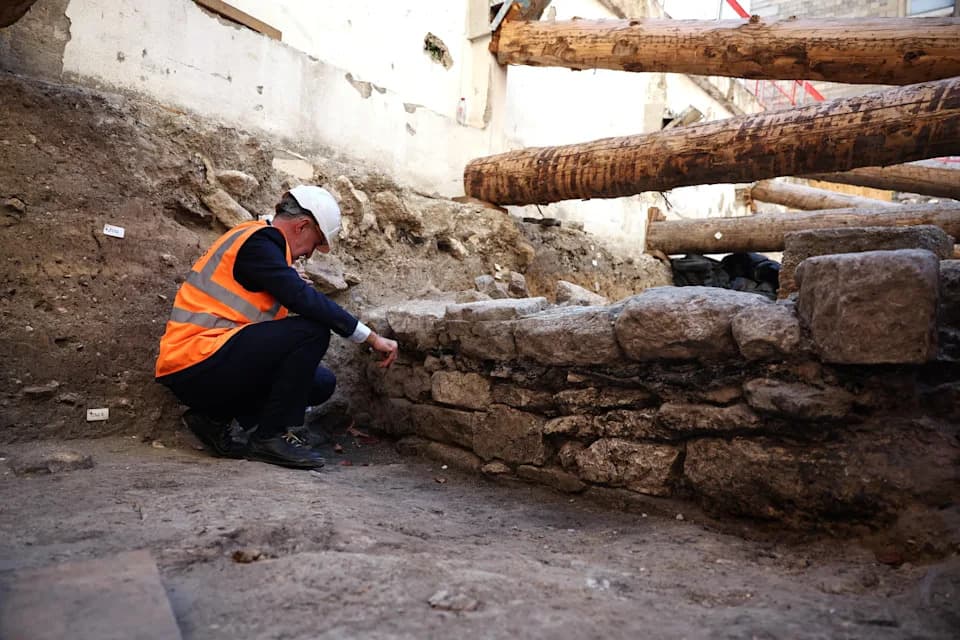
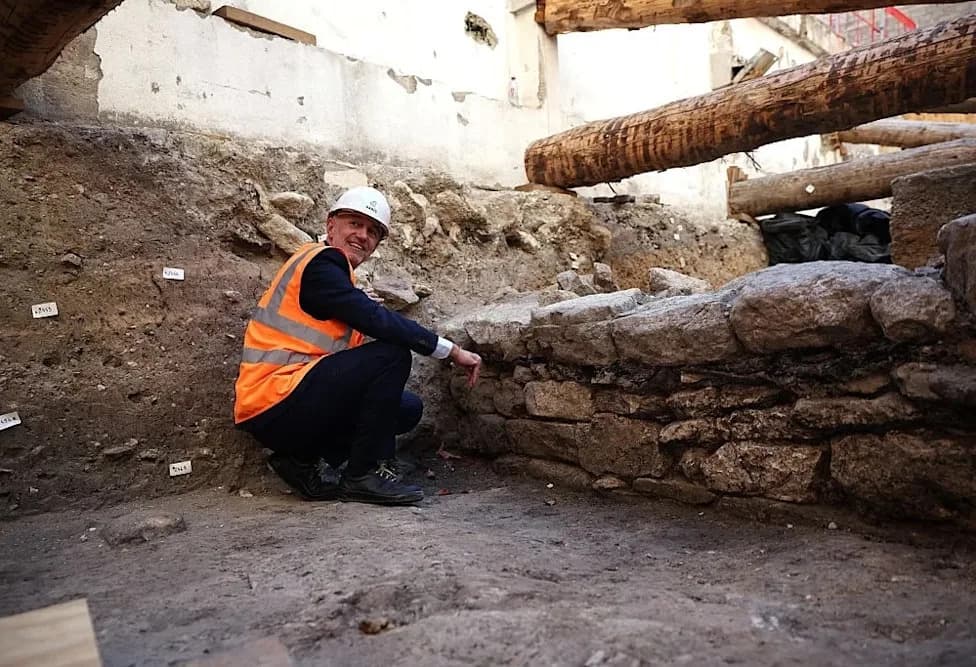
Archaeologists this summer uncovered a 72-foot stone-and-wood wall beneath the Hôtel-Dieu hospital on the Île de la Cité, the central island in the Seine that forms the historic heart of Paris, according to The New York Times.
What Was Found
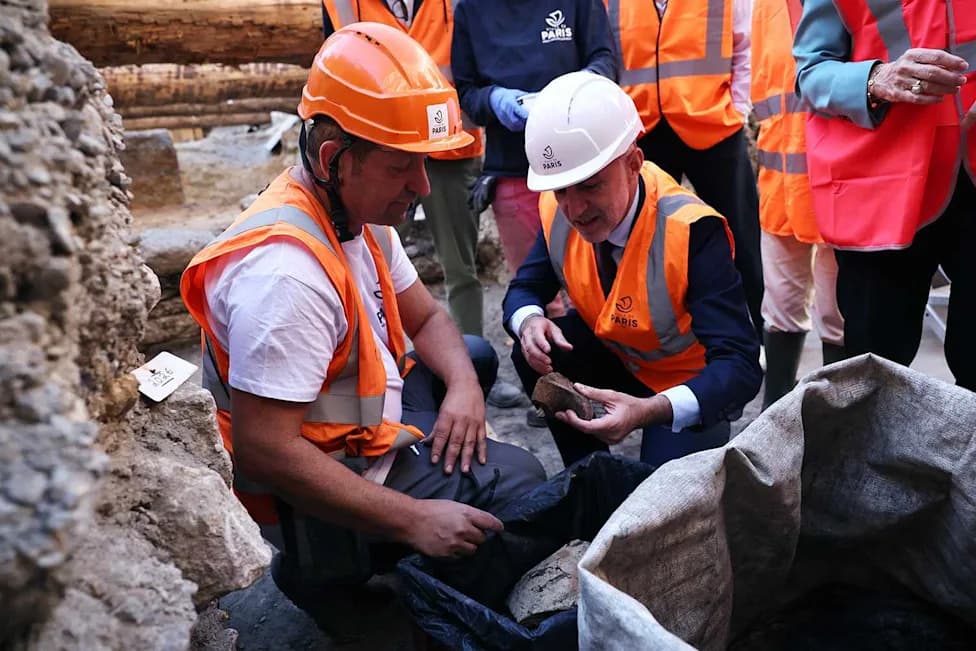
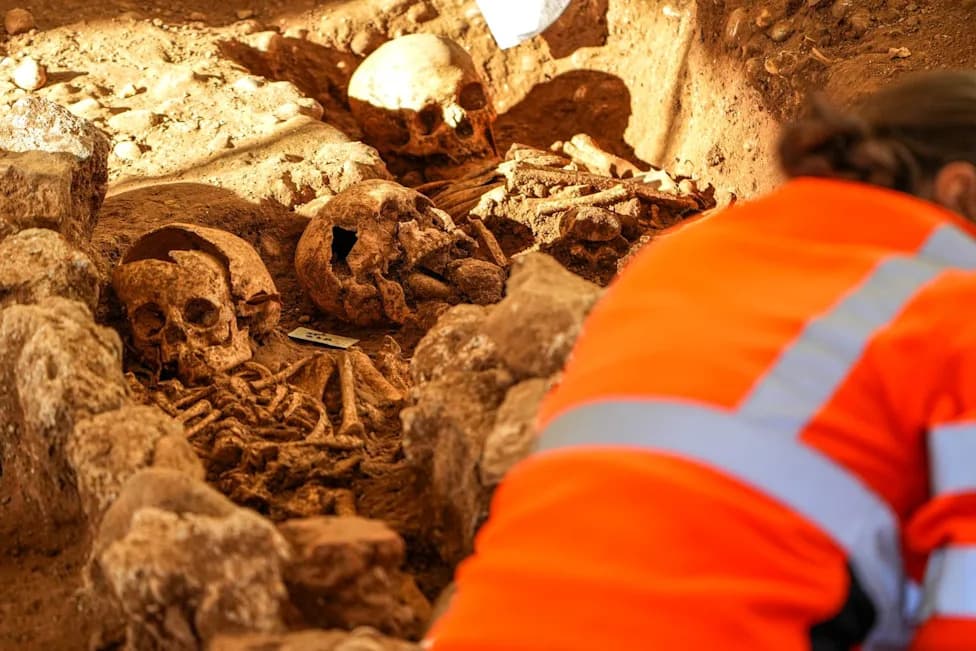
The structure—part stone, part timber—was revealed during construction work and lies among other remains dating to the late Iron Age. Excavators also recovered a Gallic spearhead nearby. Samples submitted for radiocarbon dating place the wall between about 200 BCE and 10 BCE, broadly corresponding to the period when Rome expanded into Gaul.
Signs of Destruction
Notably, archaeologists report evidence that the wall and adjacent wooden structures were burned: charred seeds and scorched timbers were found in the same stratigraphic context. These traces raise the possibility that the site preserves physical remains of the destruction Julius Caesar described in his account of the Gallic Wars—when the Parisii reportedly burned their town and bridges before Roman troops arrived—but researchers emphasize that more analysis is required before making definitive historical links.
Why This Matters
The find bears directly on a long-running scholarly debate about the location of ancient Lutetia, the Parisii settlement Julius Caesar wrote about. For decades, excavations at Nanterre (west of modern Paris) yielded substantial Gallic-period remains while the Île de la Cité produced relatively little, leading some researchers to question Caesar’s geographic description.
Matthieu Poux, an archaeology professor at the University of Lyon II who had previously been skeptical of placing Lutetia on the island, told The New York Times that the discovery has convinced him: he now has “no doubt” the ancient town stood on the Île de la Cité. French cultural authorities, however, urge caution and note that further study is needed to confirm the wall’s date, function, and relationship to any recorded historical events.
Next Steps
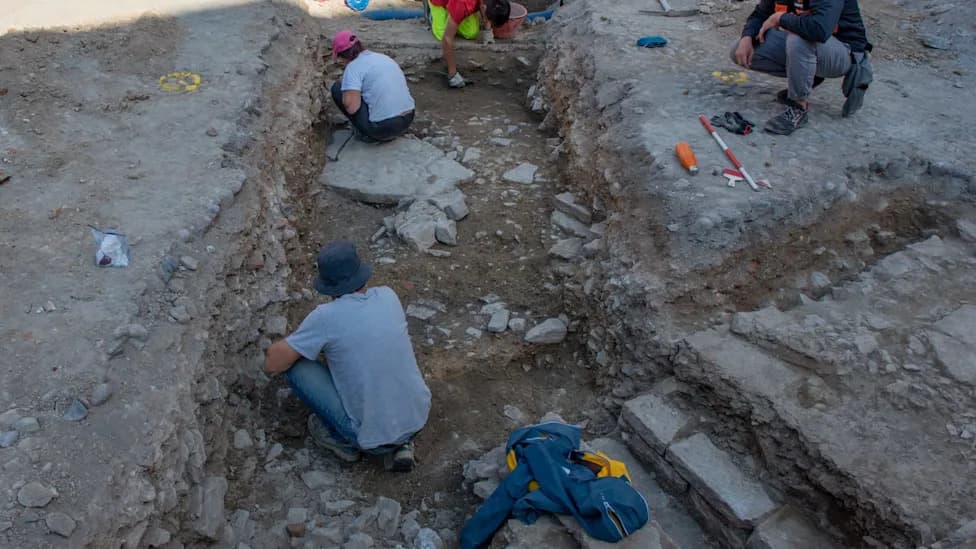
Archaeologists plan additional excavations around the hospital site. The wall itself is slated to be carefully removed so specialists can study it in detail and prepare it for public display. Scholars say the discovery substantially increases the corpus of material evidence for Gallic Paris and helps fill a major gap in the city’s early history.
Significance: While substantial Roman-era remains have long been documented under parts of Paris such as the Latin Quarter and Luxembourg Gardens, tangible traces from the Parisii-era city have been scarce. This discovery offers a rare, datable link to the city’s pre-Roman past.
Help us improve.